Culligan · Whole-House Filters
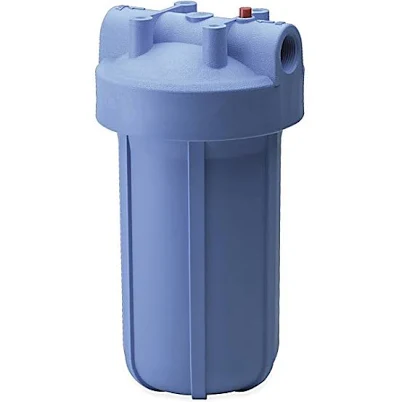
Culligan HD-950A Heavy Duty Whole House Water Filter
Lower concern; standard carbon filter without known PFAS risk, but no brand transparency on composition.
The Culligan HD-950A is a whole-house activated carbon filter system. Standard carbon and polypropylene filter housings carry lower inherent PFAS risk compared to treated fabrics or cookware coatings.
We flunk more products than we pass. This one earned its grade. How we grade
Material
activated carbon filter media, polypropylene housing
Lab data
No public lab test
You may also be interested in
Top-graded picks in the categories readers replace first, every one scored on the same rubric.

Aquasure
Premier Series 75 GPD Under Sink Reverse Osmosis Water Filtration System
- RO membrane, carbon filters, stainless steel housing
- We found no PFAS statement from the brand
- Bacterial and microbial growth in housing and filters
4 hazards checked on this product, all on its full breakdown.

Avocado
Vegan Mattress
- organic cotton, natural latex, coconut coir, recycled steel coils
- The brand calls it PFAS-free, which we have not verified
- Heavy metals
2 hazards checked on this product, all on its full breakdown.
- polyurethane foam
- We found no PFAS statement from the brand
- Volatile Organic Compound (VOC) Off-Gassing
4 hazards checked on this product, all on its full breakdown.
What Culligan HD-950A Heavy Duty Water Filter is made of, ingredients and materials
The HD-950A uses activated carbon as its primary filter media, which works by adsorption to trap chlorine, sediment, odor, and some organic compounds. The housing is polypropylene plastic, a common choice in water filters because it resists corrosion and does not leach significantly under normal water conditions (room temperature, pH 6-8). Activated carbon itself is inert once activated; the material poses no toxicity hazard to drinking water under standard use.
What’s concerning
No PFAS disclosure
No public statement from the brand about PFAS in this product.
Bacterial growth in stagnant housing
Polypropylene housings can support biofilm formation if water remains static for extended periods. Risk is low during normal use but increases if the filter is inactive for weeks; address by maintaining water circulation or flushing before use.
Activated carbon dust ingestion
New activated carbon filters shed fine black particles during initial use. These are not toxic but are aesthetically undesirable; flushing the system for 5-10 minutes before first use mitigates this issue.
Filter bypass if not sealed properly
Improper cartridge installation or housing cracks can allow unfiltered water to bypass the carbon media. Check that seals are tight during installation and inspect housings annually for damage.
Degradation of filter cartridge over time
Activated carbon becomes saturated and loses adsorptive capacity over time; cartridges require replacement every 6-12 months. Once depleted, carbon no longer removes chlorine or organics and may release trapped contaminants back into water if not replaced.
What’s reassuring
Base material not linked to PFAS
The main material recorded for this product is not one associated with PFAS.
Polypropylene housing leachables
Polypropylene (PP) does not leach BPA, phthalates, or other endocrine disruptors under normal drinking-water conditions. No documented cases of leachate contamination from Culligan PP housings have been reported in public records.
How is this PFAS grade calculated?
The brand's record and disclosure
Culligan is a long-established water treatment company with no major product recalls or documented safety controversies on record for residential filters. The brand does not publicly disclose detailed composition breakdowns or third-party certification statements for this model, and maintains silence on PFAS removal claims or testing. NSF/WQA certifications are not listed in publicly available product documentation for the HD-950A specifically, which limits third-party verification of performance claims.
How it compares in its category
Whole-house activated carbon filters are among the lowest-hazard water treatment options available for home use. The HD-950A is a mid-range model typical of point-of-entry systems; competitors like Aqua-Pure and Whirlpool use similar polypropylene housings and carbon media with comparable safety profiles. Unlike under-sink reverse-osmosis systems, this model does not require pressurized housing or produce wastewater; unlike pitcher filters, it eliminates issues with stagnant water and algae growth in small reservoirs.
If you buy it
Replace the filter cartridge every 6-12 months depending on water quality and household usage (hard water and sediment reduce lifespan). Flush the system for 5-10 minutes after installation to remove activated carbon dust. Do not allow the filter housing to remain stagnant for weeks without water flow, as polypropylene housings can harbor bacterial biofilm if water sits unused; use the system regularly. Inspect the housing annually for cracks or discoloration, which may indicate degradation.
What is not known about PFAS in this product?
- Basis
- Model estimate, 72% confidence, not a lab result
- Lab test
- None on record for this exact product
- Brand statement
- Culligan has made a specific claim
Formulations change between production runs, so check the current label. How we grade.
More whole-house filters grades
How we score, every product runs through the same public 0-100 rubric based on materials, coatings, brand disclosure, lab findings, and recalls. See the full methodology → Spotted a mistake? Report an error.