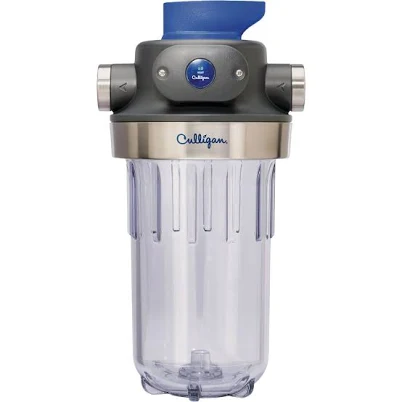
Culligan · Whole-House Filters
Culligan WH-HD200-C Whole House Heavy Duty Water Filter System
Lower concern; standard cartridge-based system with no known PFAS exposure pathways, no public PFAS disclosure.
The Culligan WH-HD200-C is a mechanical carbon or sediment whole-house filter. Its primary materials, activated carbon, sediment media, and polypropylene housing, do not typically contain PFAS.
We flunk more products than we pass. This one earned its grade. How we grade
Material
Carbon and sediment filter media; polypropylene housing
Lab data
No public lab test
You may also be interested in
Top-graded picks in the categories readers replace first, every one scored on the same rubric.

Aquasure
Premier Series 75 GPD Under Sink Reverse Osmosis Water Filtration System
- RO membrane, carbon filters, stainless steel housing
- We found no PFAS statement from the brand
- Bacterial and microbial growth in housing and filters
4 hazards checked on this product, all on its full breakdown.

Avocado
Vegan Mattress
- organic cotton, natural latex, coconut coir, recycled steel coils
- The brand calls it PFAS-free, which we have not verified
- Heavy metals
2 hazards checked on this product, all on its full breakdown.

- polyurethane foam
- We found no PFAS statement from the brand
- Volatile Organic Compound (VOC) Off-Gassing
4 hazards checked on this product, all on its full breakdown.
What Culligan WH-HD200-C Whole Filter System is made of, ingredients and materials
The WH-HD200-C uses activated carbon and sediment filter media housed in polypropylene (plastic) casing. Polypropylene is not a material linked to BPA or phthalate leaching under normal cold-water conditions typical of whole-house filtration. Activated carbon itself is inert and does not release harmful compounds into water; its role is to absorb contaminants. The sediment layer traps particles but poses no chemical hazard if the cartridge is changed on schedule.
What’s concerning
No PFAS disclosure
No public statement from the brand about PFAS in this product.
Bacterial growth in filter housing if maintenance is deferred
Whole-house filters can develop biofilm inside the housing between cartridge changes if not replaced on schedule. This is a maintenance issue rather than a material defect; regular cartridge replacement (6-12 months) mitigates risk.
Carbon dust release into water after cartridge installation
Activated carbon cartridges can release loose carbon particles into water immediately after installation if not flushed. This is cosmetic (black water) rather than a health hazard, but following the flush procedure eliminates it.
Contamination bypass if cartridge seal fails or is installed incorrectly
Improper cartridge seating can allow unfiltered water to bypass the media. This is user-error dependent; follow installation instructions and ensure the cartridge clicks into place.
What’s reassuring
Base material not linked to PFAS
The main material recorded for this product is not one associated with PFAS.
Polypropylene housing degradation under prolonged UV or extreme temperature
No reported failures of this model due to housing material breakdown. Polypropylene is stable in cold-water contact; risk is only relevant if the unit is installed outdoors in direct sunlight for extended periods.
Leaching from polypropylene housing under normal cold-water use
Polypropylene does not leach BPA, phthalates, or other endocrine disruptors under cold-water conditions. No evidence of leaching from this product or similar cartridge-filter systems.
How is this PFAS grade calculated?
The brand's record and disclosure
Culligan is a major water-treatment brand with decades of market presence and NSF certifications for various filtration products. The company does not publicly disclose PFAS testing or removal performance for this specific model, which is common across the cartridge-filter industry. No major safety recalls or hazard controversies are on record for this product line. Culligan's certification focus is on sediment and chlorine reduction rather than PFAS remediation.
How it compares in its category
Whole-house cartridge systems like this are among the lowest-risk water-treatment options because they use passive filtration rather than ion exchange or chemical additives that can leach. The WH-HD200-C is a standard heavy-duty sediment and carbon unit; it offers similar safety profiles to competitors like Pentek or 3M cartridge systems. Whole-house filters present lower complexity than reverse-osmosis systems, which involve more housing materials in contact with water.
If you buy it
Replace cartridges every 6-12 months depending on water hardness and sediment load; neglected filters can accumulate bacterial biofilm. Store replacement cartridges in a cool, dry place away from direct sunlight to prevent polypropylene degradation. Do not use this system for untreated well water without pre-testing; sediment overload can clog cartridges prematurely. Flush the system for 5 minutes after cartridge installation to clear loose carbon dust.
What is not known about PFAS in this product?
- Basis
- Model estimate, 72% confidence, not a lab result
- Lab test
- None on record for this exact product
- Brand statement
- Culligan has made a specific claim
Formulations change between production runs, so check the current label. How we grade.
More whole-house filters grades
How we score, every product runs through the same public 0-100 rubric based on materials, coatings, brand disclosure, lab findings, and recalls. See the full methodology → Spotted a mistake? Report an error.