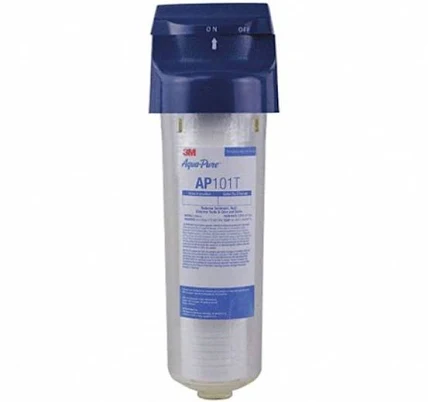
3M Aqua-Pure Whole House Water Filter System AP101T
Lower-concern water filter using standard carbon media, but 3M's silence on PFAS leaves room for caution.
The AP101T uses activated carbon filtration, a well-established PFAS-removal technology that does not inherently require PFAS manufacturing. However, 3M makes no public statement about PFAS content in this filter or whether it was manufactured with PFAS-based processes.
We flunk more products than we pass. This one earned its grade. How we grade
Material
Activated carbon filter media with polypropylene housing
Brand disclosure
Brand is silent on PFAS
Lab data
No public lab test
You may also be interested in
Top-graded picks in the categories readers replace first, every one scored on the same rubric.

Aquasure
Premier Series 75 GPD Under Sink Reverse Osmosis Water Filtration System
- RO membrane, carbon filters, stainless steel housing
- We found no PFAS statement from the brand
- Bacterial and microbial growth in housing and filters
4 hazards checked on this product, all on its full breakdown.

Avocado
Vegan Mattress
- organic cotton, natural latex, coconut coir, recycled steel coils
- The brand calls it PFAS-free, which we have not verified
- Heavy metals
2 hazards checked on this product, all on its full breakdown.

- polyurethane foam
- We found no PFAS statement from the brand
- Volatile Organic Compound (VOC) Off-Gassing
4 hazards checked on this product, all on its full breakdown.
What 3M Aqua-Pure Whole House System AP101T is made of, ingredients and materials
The AP101T uses granular activated carbon as its primary filter media, a well-established material that adsorbs dissolved contaminants including chlorine, volatile organic compounds, and some heavy metals through porous surface chemistry. The housing is polypropylene plastic, chosen for its chemical resistance and durability under potable-water conditions. Activated carbon does not leach harmful substances into water under normal use; the main concern is carbon exhaustion, which renders it ineffective rather than unsafe.
What’s concerning
No PFAS disclosure
No public statement from the brand about PFAS in this product.
Bacterial growth in filter housing or media
Any whole-house filter housing can accumulate biofilm if water flow stagnates for extended periods (weeks without use) or if the system is installed in warm, humid conditions. Regular cartridge replacement and proper installation mitigate this, but users in idle seasonal homes should flush the system monthly.
Carbon dust or media breakdown ingestion
Activated carbon can shed fine particles, especially when new or if the cartridge is damaged; these particles are not toxic but may cause temporary cloudiness in water. A brief initial flush after installation is standard practice and recommended in the manual.
Loss of chlorine residual protection downstream
Activated carbon removes residual chlorine from municipal water, which can allow microbial regrowth in long water lines or storage tanks downstream. This is a function of the filter's operation, not a hazard per se, but users with long plumbing runs should be aware they may lose disinfection benefit.
What’s reassuring
Base material not linked to PFAS
The main material recorded for this product is not one associated with PFAS.
Polypropylene housing leachables
Polypropylene is chemically stable in cold potable water and not known to leach BPA, phthalates, or other endocrine disruptors under normal residential water-filter conditions. No recalls or complaints on record for this product.
Installation damage to water lines or seals
The AP101T housing and cartridge interface are standard and secure when installed per instructions; no design flaws or pressure-related failures are documented. Improper installation by the user (over-tightening, cross-threading) is the only credible risk.
How is this PFAS grade calculated?
The brand's record and disclosure
3M is a major filtration manufacturer with NSF/ANSI certification for this product line, indicating third-party validation of contaminant reduction claims and materials safety. However, 3M itself faced major PFAS litigation and settlement (Aqua-Pure and other products were used in contamination studies), yet the company has not publicly disclosed whether this specific model addresses PFAS removal or residual content in filter media. This silence is notable given 3M's manufacturing footprint and is not a reason to avoid the product, but it reflects the company's cautious stance on PFAS transparency in their own offerings.
How it compares in its category
Whole-house activated-carbon filters like the AP101T present lower maintenance and contamination risks than pitcher filters or unfiltered systems. Comparable products from Culligan, Pentek, and other brands use identical or very similar media and housing materials with the same safety profile. The AP101T is competitively positioned on durability and ease of replacement rather than unique hazard reduction.
If you buy it
Replace the filter cartridge every 6-12 months depending on water quality and household use; carbon becomes saturated and loses effectiveness, though it does not release toxins after saturation. Ensure the housing is installed in a temperature-stable location (avoid freezing or sustained heat above 100F, which can degrade polypropylene seals). Do not rely solely on this filter for microorganism removal; if you suspect bacterial contamination, use a separate UV or reverse-osmosis stage. Check for visible debris or discoloration in filtered water as a sign of cartridge failure or housing damage.
What is not known about PFAS in this product?
- Basis
- Model estimate, 72% confidence, not a lab result
- Lab test
- None on record for this exact product
- Brand statement
- 3M has made none
Formulations change between production runs, so check the current label. How we grade.
More whole-house filters grades
How we score, every product runs through the same public 0-100 rubric based on materials, coatings, brand disclosure, lab findings, and recalls. See the full methodology → Spotted a mistake? Report an error.