Aqua Pure · Whole-House Filters
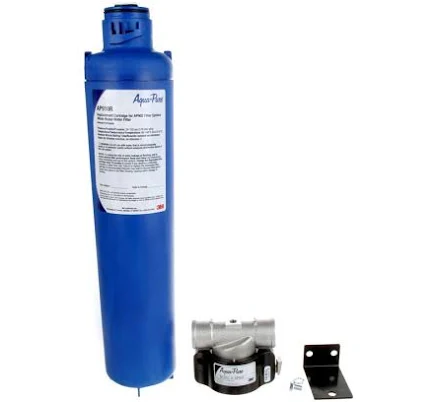
3M Aqua-Pure Whole House Water Filtration System AP902
Lower-concern filter design, but 3M's silence on PFAS sourcing limits full confidence.
The AP902 uses activated carbon and polypropylene, materials not inherently PFAS-prone. However, 3M has not disclosed whether this specific filter or its manufacturing involves PFAS.
We flunk more products than we pass. This one earned its grade. How we grade
Material
activated carbon, polypropylene housing
Brand disclosure
Brand is silent on PFAS
Lab data
No public lab test
You may also be interested in
Top-graded picks in the categories readers replace first, every one scored on the same rubric.

Aquasure
Premier Series 75 GPD Under Sink Reverse Osmosis Water Filtration System
- RO membrane, carbon filters, stainless steel housing
- We found no PFAS statement from the brand
- Bacterial and microbial growth in housing and filters
4 hazards checked on this product, all on its full breakdown.

Avocado
Vegan Mattress
- organic cotton, natural latex, coconut coir, recycled steel coils
- The brand calls it PFAS-free, which we have not verified
- Heavy metals
2 hazards checked on this product, all on its full breakdown.

- polyurethane foam
- We found no PFAS statement from the brand
- Volatile Organic Compound (VOC) Off-Gassing
4 hazards checked on this product, all on its full breakdown.
What 3M Aqua-Pure Whole House System AP902 is made of, ingredients and materials
The AP902 uses activated carbon as the primary filtration medium, which is chemically inert and does not leach into water under normal conditions. The housing is polypropylene plastic, a relatively stable thermoplastic that resists degradation at room temperature and does not off-gas volatile organic compounds under static water contact. Activated carbon itself poses no toxicity risk to water; its effectiveness depends on regular replacement before saturation. The system is not heated or pressurized beyond typical municipal water pressure, eliminating conditions that might accelerate plastic breakdown.
What’s concerning
No PFAS disclosure
No public statement from the brand about PFAS in this product.
Bacterial growth if maintenance is neglected
Activated carbon media can support biofilm growth if water stagnates or the cartridge is not replaced regularly. No recalls or incidents specific to AP902 are on record, but this is a known risk class for all whole-house carbon filters if maintenance schedules are ignored.
Activated carbon dust or particles in water
Minor shedding of fine carbon particles can occur during initial installation or if the cartridge fractures; this is benign (activated carbon is food-grade in many applications) but may cause water discoloration temporarily. Risk is managed by flushing before first use.
Ineffective filtration due to saturation
If cartridges are not replaced on schedule, carbon becomes saturated and loses efficacy; contaminants (including some chlorine byproducts and odors) will pass through. This is not a toxicity hazard but a performance failure.
Sourcing transparency and upstream contamination risk
3M has not disclosed whether activated carbon or polypropylene feedstock is screened for PFAS or other contaminants. While the finished product is not documented as contaminated, the company's litigation history on PFAS suggests supply-chain oversight may lag. This is a confidence gap, not a confirmed hazard.
What’s reassuring
Base material not linked to PFAS
The main material recorded for this product is not one associated with PFAS.
Polypropylene housing degradation over time
Polypropylene is stable at room temperature and municipal water pH; no degradation, leaching, or off-gassing is documented for this housing type under normal use. Risk rises only if exposed to sustained heat above 100 degrees Fahrenheit or direct UV.
How is this PFAS grade calculated?
The brand's record and disclosure
3M (Aqua-Pure's parent company) is a major manufacturer with established quality certifications (NSF, WQA) for many of its water products, signaling third-party validation of efficacy and material safety. However, 3M has faced significant litigation and settlement regarding PFAS contamination in drinking water and manufacturing sites, raising questions about supply-chain awareness even when products themselves may not contain PFAS. The company has not published transparent disclosure on PFAS sourcing of activated carbon or polypropylene feedstock for this model, which limits confidence in upstream purity. No recalls or contamination incidents specific to the AP902 unit itself are on record.
How it compares in its category
Whole-house activated carbon filters are among the lowest-risk water treatment options because they operate passively (no electronic components, UV, or ion exchange resins that can degrade). The AP902 is positioned in the mid-range market; it avoids riskier designs such as cartridges with metal-impregnated media or housing with unknown plastic composition. Competitor brands (Culligan, Pentair) use similar polypropylene housings and carbon media with comparable disclosure records. The main differentiator is 3M's brand reputation offset by its PFAS litigation history, which does not directly implicate this product but raises general caution about sourcing transparency.
If you buy it
Replace the carbon cartridge every 6 to 12 months depending on water hardness and sediment load; saturation reduces filtration and may allow bacterial biofilm to colonize stagnant media. Flush the system monthly if it sits unused for more than a week to prevent stagnant water pooling and microbial growth in the housing. Do not expose the polypropylene tank to direct sunlight or temperatures above 100 degrees Fahrenheit, as this can weaken the plastic over extended periods. Verify that the unit is installed downstream of any sediment pre-filter to avoid clogging the carbon and ensure proper drainage after cartridge changes.
What is not known about PFAS in this product?
- Basis
- Model estimate, 62% confidence, not a lab result
- Lab test
- None on record for this exact product
- Brand statement
- Aqua Pure has made none
Formulations change between production runs, so check the current label. How we grade.
More whole-house filters grades
How we score, every product runs through the same public 0-100 rubric based on materials, coatings, brand disclosure, lab findings, and recalls. See the full methodology → Spotted a mistake? Report an error.