Aquasure · Under-Sink RO Systems
Premier Series 75 GPD Under Sink Reverse Osmosis System AS-PR75A-BN
Lower concern. RO filters are carbon-based, not PFAS-prone materials.
Reverse osmosis systems use carbon and membrane filtration, not Teflon-family coating coatings. No brand PFAS disclosure found, but filter media itself poses lower PFAS risk than apparel or cookware.
We flunk more products than we pass. This one earned its grade. How we grade
Material
Plastic housing, carbon/RO filter media
Brand disclosure
Brand is silent on PFAS
Lab data
No public lab test
You may also be interested in
Top-graded picks in the categories readers replace first, every one scored on the same rubric.

- polypropylene filter housing, carbon/sediment cartridge
- We found no PFAS statement from the brand
- Bacterial growth in spent cartridges
3 hazards checked on this product, all on its full breakdown.

Avocado
Vegan Mattress
- organic cotton, natural latex, coconut coir, recycled steel coils
- The brand calls it PFAS-free, which we have not verified
- Heavy metals
2 hazards checked on this product, all on its full breakdown.

- polyurethane foam
- We found no PFAS statement from the brand
- Volatile Organic Compound (VOC) Off-Gassing
4 hazards checked on this product, all on its full breakdown.
What Premier Series 75 GPD Under AS-PR75A-BN is made of, ingredients and materials
The AS-PR75A-BN housing is plastic (likely polypropylene or polyethylene for water contact surfaces), chosen for corrosion resistance and cost. The filtration media consists of sediment pre-filters, activated carbon filters, and a reverse osmosis membrane, none inherently prone to leaching or degradation under normal freshwater pressure and temperature. Plastic housings in RO systems do not involve glazes, enamels, ceramic coatings, or Teflon-type coating, eliminating those common cookware and small-appliance hazards.
What’s concerning
Category baseline
The starting point for this type of product, before anything specific to this product is counted.
No PFAS disclosure
No public statement from the brand about PFAS in this product.
Bacterial growth in storage tank and filter cartridges
Under-sink RO systems create stagnant water conditions in the storage tank and filter housing if not regularly replaced or maintained. Biofilm formation is a common issue in all RO systems, not specific to Aquasure, but is manageable through 6-12 month filter replacement and monthly flushing.
Membrane rupture and loss of filtration integrity
RO membranes can rupture or degrade if exposed to pressure spikes, chlorine (if not pre-filtered), or sediment overload. This is a durability issue, not a chemical hazard, but results in unfiltered water passing to the tap. Regular pre-filter replacement prevents this.
Seal degradation and microbial contamination
Plastic seals and gaskets in the housing can harden or crack over 3-5 years with exposure to standing water and minerals, potentially allowing bypass of contaminated water. This is time-dependent maintenance risk, not a manufacturing defect on record for this brand.
What’s reassuring
Base material not linked to PFAS
The main material recorded for this product is not one associated with PFAS.
BPA & bisphenols
Modern RO system housings are typically food-grade polypropylene or polyethylene without BPA or phthalate additives in water-contact surfaces, and no established leaching events are recorded for Aquasure units. No public test data is available for this specific model, but material risk is consistent with the category.
Source, FDA ↗Pressure tank internal corrosion (if steel tank present)
If the AS-PR75A-BN includes a steel storage tank (not confirmed in publicly available specs), internal corrosion and rust leaching are potential hazards. Aquasure's budget models sometimes use plastic tanks, which eliminate this risk; verify product documentation before purchase.
How is this PFAS grade calculated?
The brand's record and disclosure
Aquasure is a mid-market water treatment brand with no published recalls or safety advisories on record for the Premier Series line. The brand does not publicly disclose PFAS testing or manufacturing certifications (NSF, WQA, or equivalent), but this silence is typical for budget RO brands and does not indicate a known problem. No established contamination events or regulatory actions against Aquasure water systems are documented in public safety databases.
How it compares in its category
Under-sink RO systems in this price tier commonly use plastic housings and similar carbon/membrane filtration; the AS-PR75A-BN is representative, not an outlier. Premium competitors (e.g., iSpring, Waterdrop) offer equivalent material safety with more aggressive NSF certification marketing, but material risk profiles are comparable. The 75 GPD capacity is mid-range and does not correlate with hazard class.
If you buy it
Replace pre-filters and carbon filters every 6-12 months or per manufacturer guidance to prevent bacterial biofilm and maintain water quality; RO membranes typically last 2-3 years. Do not expose the plastic housing to sustained heat above 120°F or direct sunlight, which can accelerate polymer embrittlement. Inspect seals and connection points quarterly for microbial growth or discoloration; flush the system monthly if used intermittently. Ensure proper installation with a drain line to prevent standing water inside the tank.
What is not known about PFAS in this product?
- Basis
- Model estimate, 72% confidence, not a lab result
- Lab test
- None on record for this exact product
- Brand statement
- Aquasure has made none
Formulations change between production runs, so check the current label. How we grade.
What are the PFAS-free alternatives to Premier Series 75 GPD Under Sink Reverse Osmosis System AS-PR75A-BN?

Aquasure
Premier Series 75 GPD Under Sink Reverse Osmosis Water Filtration System
- RO membrane, carbon filters, stainless steel housing
- We found no PFAS statement from the brand
- Bacterial and microbial growth in housing and filters
4 hazards checked on this product, all on its full breakdown.
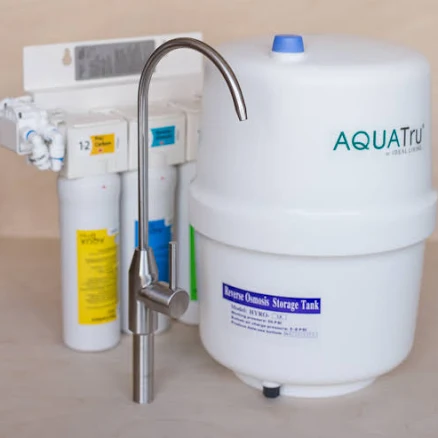
- Multi-stage filter cartridges (activated carbon, ion exchange resins)
- The brand calls it PFAS-free, which we have not verified
- Bacterial growth in filter cartridges
3 hazards checked on this product, all on its full breakdown.
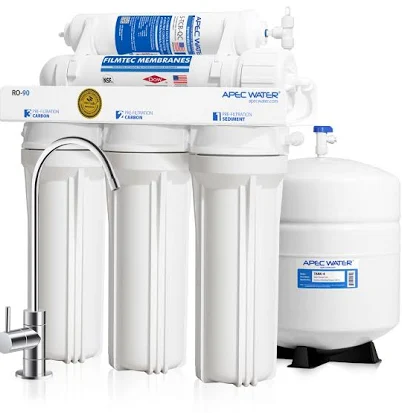
- Carbon/RO membrane filters, plastic housing
- We found no PFAS statement from the brand
- Bacterial growth in stagnant filter cartridges
2 hazards checked on this product, all on its full breakdown.
More under-sink ro systems grades
How we score, every product runs through the same public 0-100 rubric based on materials, coatings, brand disclosure, lab findings, and recalls. See the full methodology → Spotted a mistake? Report an error.