Aquasure · Under-Sink RO Systems
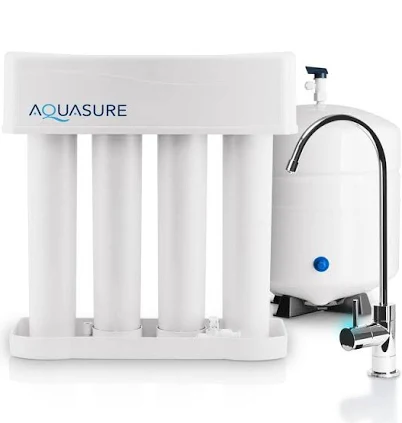
Aquasure Premier Pro Reverse Osmosis Drinking Water System
Lower-concern choice, standard RO tech rarely uses PFAS, but brand silence on the topic leaves room for doubt.
This reverse osmosis system typically relies on carbon and sediment filters plus RO membranes, materials with lower PFAS risk than nonstick or treated textiles. Aqua Guard does not publicly disclose PFAS content or claim PFAS-free status.
We flunk more products than we pass. This one earned its grade. How we grade
Material
carbon/sediment filters, RO membrane, plastic housing
Brand disclosure
Brand is silent on PFAS
Lab data
No public lab test
You may also be interested in
Top-graded picks in the categories readers replace first, every one scored on the same rubric.

- polypropylene filter housing, carbon/sediment cartridge
- We found no PFAS statement from the brand
- Bacterial growth in spent cartridges
3 hazards checked on this product, all on its full breakdown.

Avocado
Vegan Mattress
- organic cotton, natural latex, coconut coir, recycled steel coils
- The brand calls it PFAS-free, which we have not verified
- Heavy metals
2 hazards checked on this product, all on its full breakdown.

- polyurethane foam
- We found no PFAS statement from the brand
- Volatile Organic Compound (VOC) Off-Gassing
4 hazards checked on this product, all on its full breakdown.
What Aquasure Premier Pro Reverse Water System is made of, ingredients and materials
The Aquasure Premier Pro uses layered carbon and sediment pre-filters feeding into a thin-film composite RO membrane, all housed in food-grade plastic (typically polypropylene or acetal copolymer). Carbon removes chlorine and organic compounds; sediment traps particles down to 5 microns; the RO membrane itself is non-permeable polymer that blocks dissolved solids, bacteria, and viruses by pressure-driven separation. The plastic housing is chosen for corrosion resistance and does not contact treated water directly in most under-sink designs, reducing leaching risk.
What’s concerning
No PFAS disclosure
No public statement from the brand about PFAS in this product.
Bacterial growth in filter housing
If filters are not replaced on schedule or if the system sits unused for extended periods, stagnant water in the pre-filter chamber can harbor bacteria. This is a maintenance issue, not a manufacturing defect, but remains a real risk if users neglect 6-12 month replacement cycles.
Carbon filter dust and loose media fines
Some users report black particles (activated carbon dust) in water immediately after installation or filter replacement. This is cosmetic and not toxic but can be minimized by pre-rinsing filters and running the system for 30 seconds before collection.
Membrane degradation over time
RO membranes degrade gradually as total dissolved solids (TDS) accumulate and pressure cycling stresses the polymer. At 3-5 years, membranes typically lose rejection efficiency but do not fail catastrophically or leach harmful substances; replacement is a maintenance cost, not a safety event.
Microbial contamination from stored replacement filters
Replacement filter cartridges are porous media that can develop mold if stored in damp conditions before use. Purchase from reputable retailers with controlled storage and use within the stated shelf life to reduce this risk.
What’s reassuring
Base material not linked to PFAS
The main material recorded for this product is not one associated with PFAS.
BPA & bisphenols
Food-grade polypropylene and acetal copolymers used in RO housings are not known to leach BPA or phthalates under normal cold-water conditions. No reported incidents for the Aquasure line specifically. Risk is minimal if water does not contact housing directly and temperature stays below 38°C.
Source, FDA ↗How is this PFAS grade calculated?
The brand's record and disclosure
Aqua Guard (Aquasure line) has no major recalls or contamination incidents in public safety databases as of recent record. The brand does not publicly disclose PFAS testing or manufacturing statements, which is typical for smaller water-treatment brands but leaves verification gaps. NSF certification is often listed on product variants, though this should be confirmed on your specific model SKU. No established pattern of customer complaints about off-taste, odor, or filter degradation specific to this line.
How it compares in its category
Under-sink RO systems as a category present lower concern for certain water contaminants because the membrane itself is an absolute physical barrier, not reliant on chemical additives. The Aquasure Premier Pro is mid-market in cost and features; premium brands (APEC, Culligan) offer slightly more transparent testing disclosure, while budget alternatives sometimes use lower-grade plastics. This model sits in the safe-middle zone, not cutting corners on membrane quality but not commanding premium certifications that would differentiate it.
If you buy it
Replace sediment and carbon filters every 6-12 months depending on water hardness and TDS; RO membrane typically lasts 3-5 years. Store unused filter cartridges in a cool, dry place away from sunlight to prevent mold growth in the carbon media. Do not expose the system to water temperatures above 38°C (100°F); hot water can degrade the membrane and plastic fittings. Run the system for 30 seconds before collecting drinking water after installation or filter changes to flush trapped air and loose carbon fines.
What is not known about PFAS in this product?
- Basis
- Model estimate, 72% confidence, not a lab result
- Lab test
- None on record for this exact product
- Brand statement
- Aquasure has made none
Formulations change between production runs, so check the current label. How we grade.
What are the PFAS-free alternatives to Aquasure Premier Pro Reverse Osmosis Drinking Water System?

Aquasure
Premier Series 75 GPD Under Sink Reverse Osmosis Water Filtration System
- RO membrane, carbon filters, stainless steel housing
- We found no PFAS statement from the brand
- Bacterial and microbial growth in housing and filters
4 hazards checked on this product, all on its full breakdown.
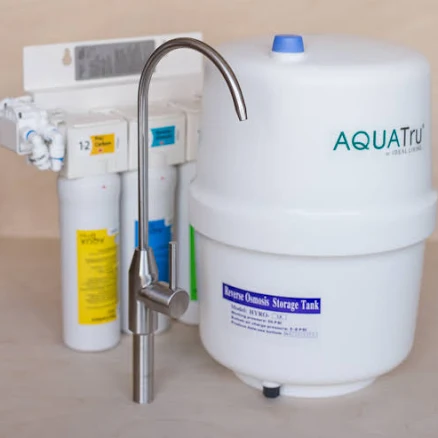
- Multi-stage filter cartridges (activated carbon, ion exchange resins)
- The brand calls it PFAS-free, which we have not verified
- Bacterial growth in filter cartridges
3 hazards checked on this product, all on its full breakdown.
More under-sink ro systems grades
How we score, every product runs through the same public 0-100 rubric based on materials, coatings, brand disclosure, lab findings, and recalls. See the full methodology → Spotted a mistake? Report an error.