APEC Water Systems · Under-Sink RO Systems
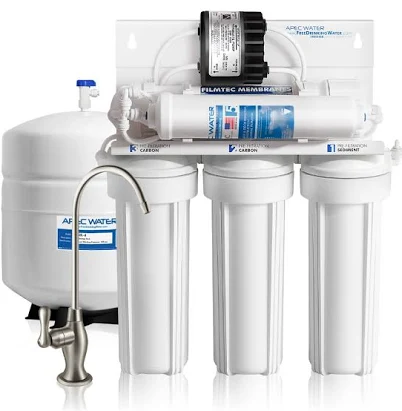
APEC Water Systems Ultimate RO-PERM Reverse Osmosis Drinking Water Filter System
Lower PFAS concern; standard RO filters use established non-Teflon-family coating materials, but brand offers no explicit reassurance.
This RO system uses reverse osmosis membrane and activated carbon, materials not inherently linked to PFAS. The polypropylene housing and standard filter cartridges carry lower risk than coated or treated products.
We flunk more products than we pass. This one earned its grade. How we grade
Material
activated carbon, RO membrane, polypropylene housing
Brand disclosure
Brand is silent on PFAS
Lab data
No public lab test
You may also be interested in
Top-graded picks in the categories readers replace first, every one scored on the same rubric.

- polypropylene filter housing, carbon/sediment cartridge
- We found no PFAS statement from the brand
- Bacterial growth in spent cartridges
3 hazards checked on this product, all on its full breakdown.

Avocado
Vegan Mattress
- organic cotton, natural latex, coconut coir, recycled steel coils
- The brand calls it PFAS-free, which we have not verified
- Heavy metals
2 hazards checked on this product, all on its full breakdown.

- polyurethane foam
- We found no PFAS statement from the brand
- Volatile Organic Compound (VOC) Off-Gassing
4 hazards checked on this product, all on its full breakdown.
What APEC Water Systems Ultimate Filter System is made of, ingredients and materials
The APEC Ultimate RO-PERM uses a multi-stage filtration stack, activated carbon pre-filters, a polyamide reverse osmosis membrane, and polypropylene housing and tubing. Activated carbon and polyamide are chemically stable under cold water conditions and do not leach known endocrine disruptors or heavy metals into drinking water under normal use. Polypropylene is a plastic material with lower concern for food contact and does not degrade significantly at room temperature or when in contact with cold water.
What’s concerning
No PFAS disclosure
No public statement from the brand about PFAS in this product.
Bacterial growth in filter housings and membrane
RO systems create standing water in cartridge chambers and the tank between use cycles. If pre-filters are not replaced on schedule or the system sits unused, saprophytic bacteria (non-pathogenic but capable of biofilm formation) can colonize carbon surfaces and membrane pores, reducing water quality and creating odor. This is a maintenance issue, not a manufacturing defect.
Polyamide membrane degradation and microfibers
Reverse osmosis membranes can shed microscopic polyamide fragments if over-pressurized, chemically fouled, or aged. While APEC does not report membrane shedding complaints, this is a theoretical risk in any synthetic membrane system. Membrane replacement on schedule (every 3-5 years) minimizes this risk.
Activated carbon dust and inhalation during cartridge handling
When removing and installing carbon pre-filter cartridges, fine carbon dust can be released into air. Inhalation of small amounts poses minimal risk to healthy individuals, but repeated exposure should be avoided; handle cartridges over a sink or with a damp cloth to suppress dust.
What’s reassuring
Base material not linked to PFAS
The main material recorded for this product is not one associated with PFAS.
Polypropylene tubing leaching (cold water context)
Polypropylene does not leach BPA, phthalates, or other plasticizers under cold water (below 40C) contact. APEC's tubing is food-grade polypropylene and has no documented history of contaminant migration into drinking water in normal use conditions.
Housing material degradation over time
Polypropylene housing does not degrade or leach known toxins over the typical 5-10 year lifespan of an RO system under cold water contact. UV exposure (if system is mounted in direct sunlight) can cause material brittleness; mounting in a cabinet prevents this.
How is this PFAS grade calculated?
The brand's record and disclosure
APEC Water Systems is a mid-market manufacturer with no publicly documented product recalls for contaminant leaching or chemical off-gassing. The brand provides NSF certification (Standard 42, 53) on its RO membrane filtration claims, which validates contaminant removal performance but does not constitute material safety certification. APEC does not publish explicit material sourcing statements or PFAS-avoidance commitments, leaving questions about manufacturing supply chain unaddressed.
How it compares in its category
Under-sink RO systems are generally among the lowest-risk water filtration categories because they operate at low temperature, use passive filtration media, and contain water at neutral pH. The APEC unit is typical for this segment, it uses standard polyamide membranes (not proprietary composites) and activated carbon common across competitors like Culligan and Watts. Its price point and feature set position it in the mainstream consumer tier with no unusual material choices that would elevate or reduce comparative hazard.
If you buy it
Replace sediment and carbon pre-filters every 6-12 months depending on water quality; failure to do so can reduce membrane protection and accelerate biofilm growth inside the cartridge housings. The RO membrane itself typically lasts 3-5 years; replace it if water flow drops significantly or TDS (total dissolved solids) output increases. Do not expose the system to water temperatures above 40 degrees Celsius (104 Fahrenheit) or freezing; extreme temperatures can crack polypropylene tubing and damage the membrane. Drain the system if it will sit unused for more than 2 weeks to prevent bacterial proliferation in standing water.
What is not known about PFAS in this product?
- Basis
- Model estimate, 72% confidence, not a lab result
- Lab test
- None on record for this exact product
- Brand statement
- APEC Water Systems has made none
Formulations change between production runs, so check the current label. How we grade.
What are the PFAS-free alternatives to APEC Water Systems Ultimate RO-PERM Reverse Osmosis Drinking Water Filter System?

Aquasure
Premier Series 75 GPD Under Sink Reverse Osmosis Water Filtration System
- RO membrane, carbon filters, stainless steel housing
- We found no PFAS statement from the brand
- Bacterial and microbial growth in housing and filters
4 hazards checked on this product, all on its full breakdown.
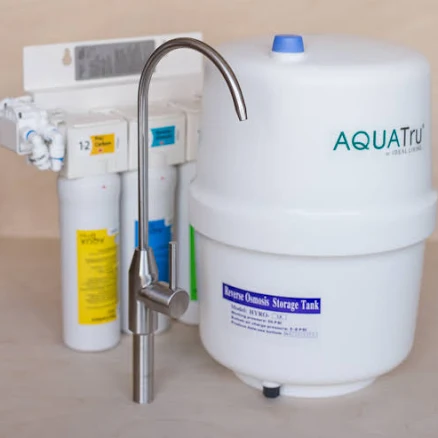
- Multi-stage filter cartridges (activated carbon, ion exchange resins)
- The brand calls it PFAS-free, which we have not verified
- Bacterial growth in filter cartridges
3 hazards checked on this product, all on its full breakdown.
More under-sink ro systems grades
How we score, every product runs through the same public 0-100 rubric based on materials, coatings, brand disclosure, lab findings, and recalls. See the full methodology → Spotted a mistake? Report an error.