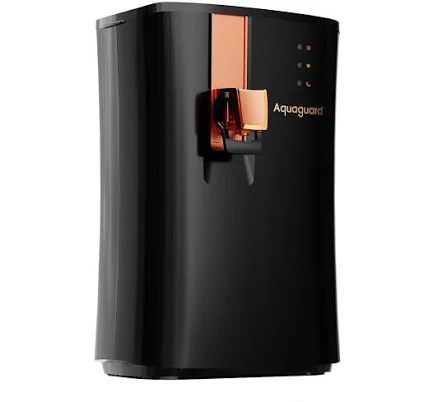
Aqua Guard · Under-Sink RO Systems
Aquaguard Ritz RO+UV Taste Adjuster Stainless Steel Copper Water Purifier
Lower PFAS concern for this RO+UV system; stainless/copper hardware and standard membrane filtration are not known PFAS sources.
This system uses stainless steel and copper construction with RO and UV filtration, none of which are typical PFAS application points. RO membranes and UV units do not require Teflon-type coating or Teflon-family coating coatings.
The better-graded swap
Aquasure
Premier Series AS-PR100E 100 GPD Under Sink Reverse Osmosis System
85/100 safety
Same rubric that flunked this product. The swap earned Excellent.
Still want this one anyway? Check the price on Amazon. We’d swap it.
Material
Stainless steel housing, copper components, RO membrane, UV filtration
Brand disclosure
Brand is silent on PFAS
Lab data
No public lab test
You may also be interested in
Top-graded picks in the categories readers replace first, every one scored on the same rubric.

- polypropylene filter housing, carbon/sediment cartridge
- We found no PFAS statement from the brand
- Bacterial growth in spent cartridges
3 hazards checked on this product, all on its full breakdown.

Avocado
Vegan Mattress
- organic cotton, natural latex, coconut coir, recycled steel coils
- The brand calls it PFAS-free, which we have not verified
- Heavy metals
2 hazards checked on this product, all on its full breakdown.

- polyurethane foam
- We found no PFAS statement from the brand
- Volatile Organic Compound (VOC) Off-Gassing
4 hazards checked on this product, all on its full breakdown.
What Aquaguard Ritz RO+UV Taste Water Purifier is made of, ingredients and materials
The Aquaguard Ritz uses stainless steel housing and copper tubing for the filtration frame, both inert materials that do not leach into water under normal pressure and temperature conditions in RO systems. The RO membrane is typically a thin-film composite polymeric membrane, industry-standard and non-toxic when functioning properly. UV filtration uses mercury or LED lamps to inactivate microorganisms; mercury-based UV tubes pose handling risk only if cracked or improperly disposed, not during sealed operation.
What’s concerning
No PFAS disclosure
No public statement from the brand about PFAS in this product.
Bacterial or microbial growth in housing or membrane biofilm
If UV lamp fails, is dim, or if RO membrane is not replaced on schedule, standing water in the tank or membrane channels can host bacterial colonies. Regular maintenance and timely component replacement eliminate this risk.
Mercury
If the UV tube is mercury-based and the lamp housing cracks during installation or service, mercury vapor exposure is possible. LED-based UV alternatives carry no mercury risk; confirm lamp type in product manual. This is a handling hazard, not an operational hazard under intact conditions.
Source, FDA/EPA ↗RO membrane degradation and microplastic shedding
Heavily used or expired RO membranes may develop tears or shed microscopic polymer fragments into treated water. This is mitigated by strict replacement schedules (every 12-18 months); failure to replace increases this risk.
What’s reassuring
Base material not linked to PFAS
The main material recorded for this product is not one associated with PFAS.
Copper leaching from tubing
RO water is typically near-neutral pH and residence time in copper tubing is short; no established leaching risk under normal operation. Risk would only emerge if acidic water or extended stagnation occurs, which is atypical for this system design.
Stainless steel leachates (nickel, chromium)
Food-grade stainless steel (typically 304 or 316) used in RO housings is highly resistant to corrosion in neutral pH water environments. No documented cases of harmful metal leaching from stainless RO tanks into potable water at normal operating pressures.
How is this PFAS grade calculated?
The brand's record and disclosure
Aqua Guard (TTK Prestige subsidiary) holds Indian certification (WPC and BIS marks for water purifiers) and operates under India's water safety framework. The brand does not publish detailed materials safety data sheets or third-party test results for individual models on consumer sites; certification status is publicly traceable but ingredient-level transparency is limited. No major product recalls or contamination incidents are on record for this model line in accessible databases.
How it compares in its category
RO+UV systems are the standard two-stage approach in consumer water purification; Aquaguard Ritz sits mid-market for this design. Stainless steel housings present lower concern than plastic-bodied alternatives because they avoid potential BPA or phthalate leaching from repeated pressure cycling. Copper piping is acceptable in RO systems because water residence time is short and pH is typically neutral post-treatment, minimizing copper dissolution risk compared to older copper plumbing.
If you buy it
Replace the RO membrane every 12-18 months and UV lamp every 12 months or per manufacturer guidance, as degraded membranes and fatigued UV lamps lose efficacy and may harbor bacterial biofilm. Store replacement filters in a cool, dry place away from direct light. Flush the system for 5-10 minutes after any filter replacement to clear residual carbon or membrane dust. If copper components show visible corrosion or discoloration, or if water begins to have an off-taste or odor, service the unit immediately.
What is not known about PFAS in this product?
- Basis
- Model estimate, 72% confidence, not a lab result
- Lab test
- None on record for this exact product
- Brand statement
- Aqua Guard has made none
Formulations change between production runs, so check the current label. How we grade.
What are the PFAS-free alternatives to Aquaguard Ritz RO+UV Taste Adjuster Stainless Steel Copper Water Purifier?

Aquasure
Premier Series 75 GPD Under Sink Reverse Osmosis Water Filtration System
- RO membrane, carbon filters, stainless steel housing
- We found no PFAS statement from the brand
- Bacterial and microbial growth in housing and filters
4 hazards checked on this product, all on its full breakdown.
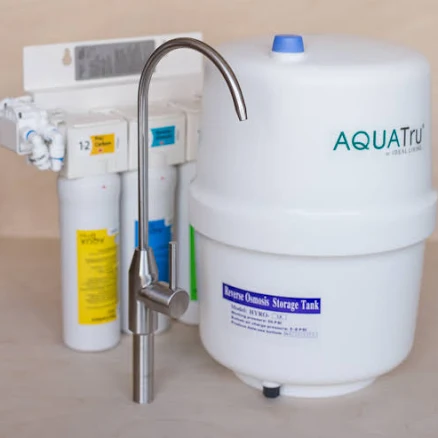
- Multi-stage filter cartridges (activated carbon, ion exchange resins)
- The brand calls it PFAS-free, which we have not verified
- Bacterial growth in filter cartridges
3 hazards checked on this product, all on its full breakdown.
More under-sink ro systems grades
How we score, every product runs through the same public 0-100 rubric based on materials, coatings, brand disclosure, lab findings, and recalls. See the full methodology → Spotted a mistake? Report an error.