APEC Water Systems · Under-Sink RO Systems
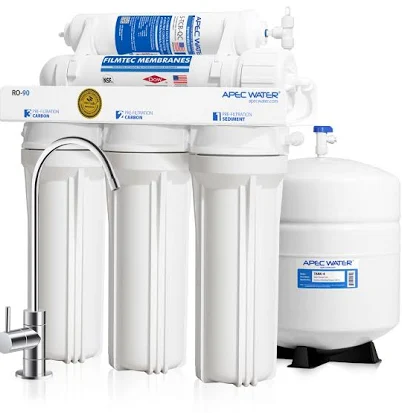
APEC Water Systems RO-90 Reverse Osmosis Drinking Water Filter System
Lower-concern choice; standard RO filters don't inherently require PFAS, but brand makes no PFAS commitment.
This RO system uses activated carbon and reverse-osmosis membranes, materials that typically don't require PFAS additives. The plastic housing and fittings pose low PFAS risk unless manufacturers source pre-treated components.
We flunk more products than we pass. This one earned its grade. How we grade
Material
Carbon/RO membrane filters, plastic housing
Brand disclosure
Brand is silent on PFAS
Lab data
No public lab test
You may also be interested in
Top-graded picks in the categories readers replace first, every one scored on the same rubric.

- polypropylene filter housing, carbon/sediment cartridge
- We found no PFAS statement from the brand
- Bacterial growth in spent cartridges
3 hazards checked on this product, all on its full breakdown.

Avocado
Vegan Mattress
- organic cotton, natural latex, coconut coir, recycled steel coils
- The brand calls it PFAS-free, which we have not verified
- Heavy metals
2 hazards checked on this product, all on its full breakdown.

- polyurethane foam
- We found no PFAS statement from the brand
- Volatile Organic Compound (VOC) Off-Gassing
4 hazards checked on this product, all on its full breakdown.
What APEC Water Systems RO-90 Filter System is made of, ingredients and materials
The RO-90 uses activated carbon pre-filters and a thin-film composite (TFC) reverse osmosis membrane, both standard materials in drinking water filtration. The housing is food-grade plastic (typically polypropylene or acrylic), which does not leach chemicals under cold water conditions typical of under-sink systems. These materials are not heated during operation, eliminating thermal degradation or off-gassing risk.
What’s concerning
No PFAS disclosure
No public statement from the brand about PFAS in this product.
Bacterial growth in stagnant filter cartridges
If filters are not replaced on schedule or water sits unused for extended periods, biofilm can develop inside carbon beds and membrane housings. This is a maintenance issue, not a design flaw, and is common to all RO systems.
Carbon filter dust or activated charcoal particulate
Loose carbon particles can escape into water if cartridges are not flushed after installation. This is a cosmetic/texture issue and not a toxicological hazard, but can affect taste or appearance.
What’s reassuring
Base material not linked to PFAS
The main material recorded for this product is not one associated with PFAS.
Plastic housing leachates (cold-water exposure)
The polypropylene or acrylic housing contacts only cold drinking water and does not experience temperature stress that would mobilize residual monomers (BPA, phthalates). No documented leaching incidents reported for this or comparable under-sink RO housings.
Membrane degradation and microplastic shedding
TFC membranes in RO systems are designed to last 2-3 years under normal use; no established public data shows microplastic release from intact RO membranes in this product class. Degraded or damaged membranes should be replaced.
Lead
The RO-90 itself does not introduce lead or cadmium. It removes dissolved metals effectively (lead reduction is NSF-standard for RO). Risk depends on inlet plumbing, not the filter system.
Source, ATSDR ↗How is this PFAS grade calculated?
The brand's record and disclosure
APEC Water Systems does not publish detailed material sourcing or PFAS-avoidance commitments on public channels, which is common for smaller filter manufacturers but limits transparency. The brand has no documented recalls or safety controversies in drinking water filter forums or regulatory databases. Third-party NSF certification is not prominent in standard marketing, though many RO cartridges are NSF/ANSI 42 and 53 certified for chlorine and lead reduction.
How it compares in its category
Under-sink RO systems have lower concern for certain risks because they operate at room temperature and contain no electrical heating elements that could trigger outgassing. The RO-90 uses commodity-grade filters and housing typical of mid-market competitors; it does not use advanced materials or claims that would elevate or reduce hazard profile versus brands like Culligan or Aqua Pro. Actual water safety depends more on filter replacement frequency than brand differentiation.
If you buy it
Replace carbon pre-filters every 6-12 months and the RO membrane every 2-3 years, or sooner if water pressure or flow rate drops; unmaintained filters can harbor bacterial growth. Store unopened replacement cartridges in a cool, dry place away from direct sunlight to avoid plastic embrittlement. Do not expose the system housing to temperatures above 38°C (100°F). Flush the system for 2-3 minutes after each cartridge change to clear trapped air and manufacturing dust.
What is not known about PFAS in this product?
- Basis
- Model estimate, 72% confidence, not a lab result
- Lab test
- None on record for this exact product
- Brand statement
- APEC Water Systems has made none
Formulations change between production runs, so check the current label. How we grade.
What are the PFAS-free alternatives to APEC Water Systems RO-90 Reverse Osmosis Drinking Water Filter System?

Aquasure
Premier Series 75 GPD Under Sink Reverse Osmosis Water Filtration System
- RO membrane, carbon filters, stainless steel housing
- We found no PFAS statement from the brand
- Bacterial and microbial growth in housing and filters
4 hazards checked on this product, all on its full breakdown.
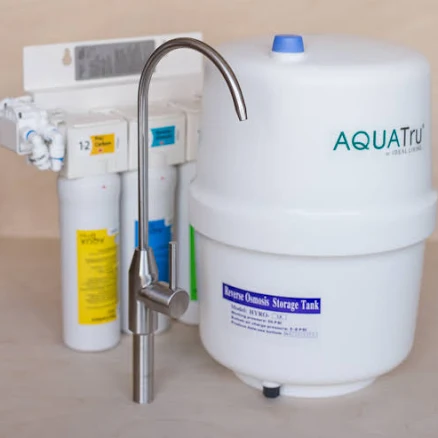
- Multi-stage filter cartridges (activated carbon, ion exchange resins)
- The brand calls it PFAS-free, which we have not verified
- Bacterial growth in filter cartridges
3 hazards checked on this product, all on its full breakdown.
More under-sink ro systems grades
How we score, every product runs through the same public 0-100 rubric based on materials, coatings, brand disclosure, lab findings, and recalls. See the full methodology → Spotted a mistake? Report an error.