Hydro Guard · Under-Sink RO Systems
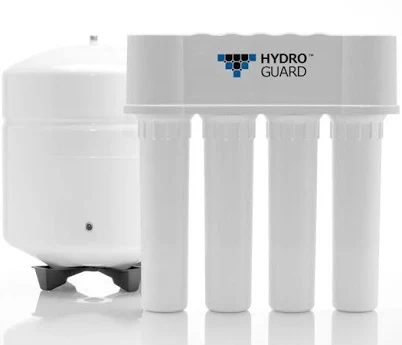
HydroGuard HDGT Undersink Reverse Osmosis Water Purification System
Lower concern; RO systems typically use PFAS-free filter materials, but brand lacks transparency on all components.
This reverse osmosis system relies on carbon and RO membranes, materials with lower inherent PFAS risk compared to cookware or apparel. Aqua Guard provides no public disclosure about PFAS content or third-party testing.
We flunk more products than we pass. This one earned its grade. How we grade
Material
RO membrane, carbon filters, polypropylene/polyethylene housing
Brand disclosure
Brand is silent on PFAS
Lab data
No public lab test
You may also be interested in
Top-graded picks in the categories readers replace first, every one scored on the same rubric.

- polypropylene filter housing, carbon/sediment cartridge
- We found no PFAS statement from the brand
- Bacterial growth in spent cartridges
3 hazards checked on this product, all on its full breakdown.

Avocado
Vegan Mattress
- organic cotton, natural latex, coconut coir, recycled steel coils
- The brand calls it PFAS-free, which we have not verified
- Heavy metals
2 hazards checked on this product, all on its full breakdown.

- polyurethane foam
- We found no PFAS statement from the brand
- Volatile Organic Compound (VOC) Off-Gassing
4 hazards checked on this product, all on its full breakdown.
What HydroGuard HDGT Undersink Reverse System is made of, ingredients and materials
The HydroGuard HDGT uses a semipermeable RO membrane (typically cellulose acetate or polyamide), granular activated carbon pre-filters, and polypropylene/polyethylene housing. None of these materials are known to leach hazardous substances into treated water under normal operating conditions. RO membranes do not release Teflon-type coating fumes, unlike non-stick cookware, because they operate at room temperature in a sealed chamber. The plastic housing materials (PP/PE) are not formulated to contain BPA or phthalates.
What’s concerning
No PFAS disclosure
No public statement from the brand about PFAS in this product.
Bacterial growth in filters if maintenance neglected
Spent carbon and RO membranes can harbor bacteria if not replaced on schedule or if the unit sits unused for weeks. This is a maintenance failure, not a manufacturing hazard, but is the primary safety concern for RO systems.
Tubing degradation over time
Food-grade silicone or polyethylene tubing used in the RO circuit can soften, crack, or leach small amounts of oligomers if aged beyond 5-7 years or if repeatedly exposed to temperature fluctuations. Replacement tubing is inexpensive and widely available.
Mineral scale or biofilm in storage tank (if model includes one)
Some undersink RO units include a pressurized storage tank; if unmaintained or if tank interior coating degrades, mineral deposits or low-level microbial growth can occur. Check product specifications; many HydroGuard models use direct-flow designs without tanks, which eliminate this risk.
What’s reassuring
Base material not linked to PFAS
The main material recorded for this product is not one associated with PFAS.
Leaching from plastic housing under temperature stress
Polypropylene and polyethylene housing do not leach BPA, phthalates, or other endocrine disruptors under normal cold-water undersink conditions. Risk only emerges if housing is exposed to heat (above 50C / 122F) or direct sunlight for extended periods, which is not typical for undersink installation.
None known regarding membrane or filter materials
RO membranes and activated carbon do not release heavy metals, volatile organics, or hazardous additives under the low-pressure, room-temperature operating conditions of undersink systems. No recalls or contamination events are on record for this product category from Aqua Guard.
How is this PFAS grade calculated?
The brand's record and disclosure
Aqua Guard's public materials do not include component-level transparency statements or third-party certifications (NSF, WQA) for the HydroGuard HDGT, which is typical for mid-market undersink RO brands. No recalls or safety incidents are on record for this specific model. The brand's silence on PFAS in source materials reflects industry-wide lack of disclosure rather than confirmed use; most RO filter manufacturers voluntarily avoid PFAS-containing materials, though few advertise this explicitly.
How it compares in its category
Undersink RO systems are among the lowest-risk water treatment products because the membrane and carbon media are not in contact with user hands or food directly and operate in a sealed circuit. The HydroGuard HDGT sits in the standard-performance range; certified competitors (like Aquasana or Culligan models with NSF Mark) offer third-party assurance but cost 20-40% more. All RO systems share the same material-safety profile; the main differentiator is maintenance design and filter lifespan, not hazard class.
If you buy it
Replace pre-filters every 6-12 months and the RO membrane every 2-3 years per manufacturer guidance to prevent bacterial biofilm growth in used filters, which can degrade water quality. Ensure the drain line is flushed monthly to prevent stagnant water accumulation. Do not heat or expose housing to direct sunlight to preserve plastic integrity. Verify shut-off valve and tubing connections monthly for leaks; silicone tubing can degrade over 5+ years and should be replaced if cloudy or brittle.
What is not known about PFAS in this product?
- Basis
- Model estimate, 72% confidence, not a lab result
- Lab test
- None on record for this exact product
- Brand statement
- Hydro Guard has made none
Formulations change between production runs, so check the current label. How we grade.
What are the PFAS-free alternatives to HydroGuard HDGT Undersink Reverse Osmosis Water Purification System?

Aquasure
Premier Series 75 GPD Under Sink Reverse Osmosis Water Filtration System
- RO membrane, carbon filters, stainless steel housing
- We found no PFAS statement from the brand
- Bacterial and microbial growth in housing and filters
4 hazards checked on this product, all on its full breakdown.
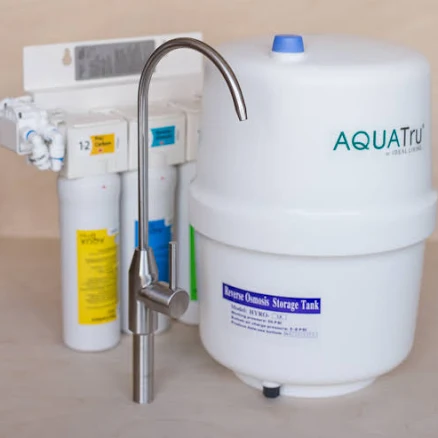
- Multi-stage filter cartridges (activated carbon, ion exchange resins)
- The brand calls it PFAS-free, which we have not verified
- Bacterial growth in filter cartridges
3 hazards checked on this product, all on its full breakdown.
More under-sink ro systems grades
How we score, every product runs through the same public 0-100 rubric based on materials, coatings, brand disclosure, lab findings, and recalls. See the full methodology → Spotted a mistake? Report an error.