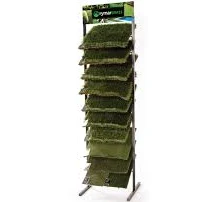
Off-Cut And Remnant Artificial Turf Clearance
Wait for the seller to disclose PFAS content before buying.
These artificial turf remnants likely contain water and stain-resistant coatings that often use PFAS. The seller hasn't shared any details about the chemicals involved.
The better-graded swap
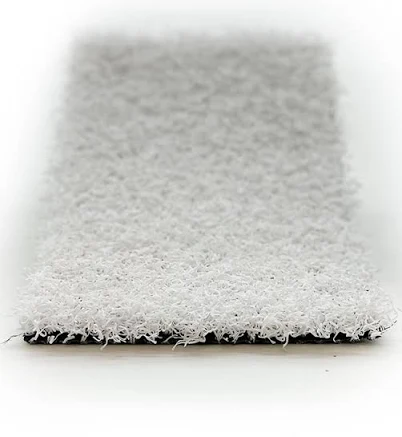
Multi Sport Turf
75/100 safety
Same rubric that flunked this product. The swap earned Excellent.
Still want this one anyway? Check the price on Amazon. We’d swap it.
Material
Synthetic grass fibers with adhesive backing and protective coatings
Brand disclosure
Brand is silent on PFAS
Lab data
No public lab test
You may also be interested in
Top-graded picks in the categories readers replace first, every one scored on the same rubric.

- polypropylene filter housing, carbon/sediment cartridge
- We found no PFAS statement from the brand
- Bacterial growth in spent cartridges
3 hazards checked on this product, all on its full breakdown.

Aquasure
Premier Series 75 GPD Under Sink Reverse Osmosis Water Filtration System
- RO membrane, carbon filters, stainless steel housing
- We found no PFAS statement from the brand
- Bacterial and microbial growth in housing and filters
4 hazards checked on this product, all on its full breakdown.

Avocado
Vegan Mattress
- organic cotton, natural latex, coconut coir, recycled steel coils
- The brand calls it PFAS-free, which we have not verified
- Heavy metals
2 hazards checked on this product, all on its full breakdown.
What Off-Cut And Remnant Turf Clearance is made of, ingredients and materials
Artificial turf consists of synthetic polymer fibers (typically polyethylene or polypropylene) tufted into a backing layer, held together with polyurethane or latex adhesives and often coated with protective resins or stabilizers. The adhesive and backing are the primary sources of volatile organic compounds (VOCs) that off-gas, especially in warm conditions or direct sunlight. Clearance/remnant stock may be older inventory with higher degradation risk and unknown storage conditions that accelerate chemical release.
What’s concerning
Category baseline
The starting point for this type of product, before anything specific to this product is counted.
No PFAS disclosure
No public statement from the brand about PFAS in this product.
Waterproof / stain-resistant treatment
Water-repellent coating treatments have historically used PFAS.
VOC off-gassing from adhesives and coatings
Polyurethane and latex adhesives in synthetic turf emit formaldehyde, toluene, and other VOCs, especially when new or aged. Clearance stock of unknown origin and storage history may have accelerated degradation, increasing release rate.
Microplastics
Synthetic grass fibers shed microparticles with heavy foot traffic or weathering. Exposure risk is elevated in enclosed spaces, play areas, or during installation when fibers are disturbed. No established safe exposure limits exist for inhaled synthetic turf particles.
Source, EPA ↗Heavy metals
Green dyes and UV stabilizers in synthetic turf can contain cadmium, lead, or other metals. Clearance/remnant turf from unknown suppliers may have older, uncontrolled pigment sources. Risk is low in outdoor use but increases if worn fibers are handled or ingested (children, pets).
Source, FDA ↗Mold and bacterial growth in backing (moisture-prone environments)
Adhesive-backed turf with porous undersides traps moisture in humid climates or wet storage conditions. Clearance stock may have prior water exposure or mold colonization not visible on inspection, releasing mycotoxins during installation or use.
PFAS
Synthetic turf industry commonly uses aqueous or Teflon-family coating treatments for stain and water resistance. PFAS is not disclosed by this seller; the product's known PFAS safety grade of 30/100 reflects this gap. Until seller provides test results, assume possible contamination.
Source, ATSDR ↗What’s reassuring
Flame retardants
Some synthetic turf products contain brominated or phosphate flame retardants to meet fire codes. No public data on this brand's formulations; if present, these chemicals are known endocrine disruptors with bioaccumulation potential, especially concerning in high-traffic residential areas.
Source, EPA ↗How is this PFAS grade calculated?
The brand's record and disclosure
The brand is a liquidation/clearance retailer with no publicly available disclosure of material certifications, manufacturing standards, or chemical composition testing. The brand does not appear in major safety databases or sustainability reports. Silent stance on PFAS is a red flag in this product category, where PFAS-containing coatings are common in synthetic turf to enhance water and stain resistance, yet regulatory pressure to disclose is growing.
How it compares in its category
Off-cut and remnant artificial turf carries higher uncertainty than new products with traceable certifications (e.g., FIFA, Green Label Plus, or independent testing by third parties like TURI or NSF). Premium synthetic turf lines increasingly publish PFAS and heavy metal test reports; this clearance product provides none. Compared to natural grass (no chemical hazard) or certified eco-turf with documented low-VOC adhesives, clearance stock is a blind buy.
If you buy it
Unroll and air out the turf outdoors in direct sunlight and wind for 48-72 hours before installation to reduce initial VOC emissions. Ensure well-ventilated installation in spaces with foot traffic; do not use in sealed rooms, vehicles, or poorly ventilated children's play areas. Inspect backing and seams for visible degradation, mold, or odor before purchase. Replace or dispose responsibly if backing cracks, adhesive oozes, or persistent chemical smell develops after airing.
What is not known about PFAS in this product?
- Basis
- Model estimate, 35% confidence, not a lab result
- Lab test
- None on record for this exact product
- Brand statement
- has made none
Formulations change between production runs, so check the current label. How we grade.
What are the PFAS-free alternatives to Off-Cut And Remnant Artificial Turf Clearance?
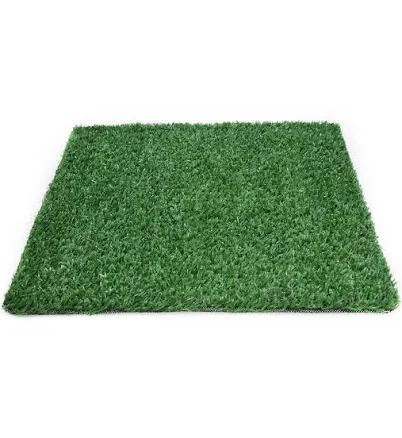
- Polypropylene (PP) astroturf
- We found no PFAS statement from the brand
- VOC off-gassing from polyurethane or latex adhesive
5 hazards checked on this product, all on its full breakdown.
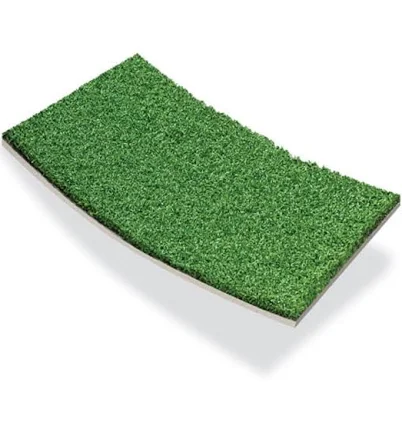
34 Oz Padded Gym Artificial Turf
- polyethylene turf fibers, polypropylene backing
- We found no PFAS statement from the brand
- VOC off-gassing from polyethylene and polypropylene
4 hazards checked on this product, all on its full breakdown.
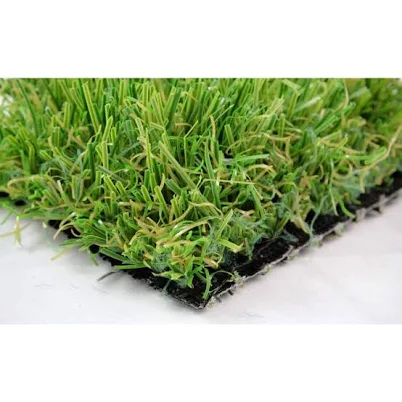
- polyethylene/polypropylene synthetic grass fibers with backing
- We found no PFAS statement from the brand
- Flame retardants
4 hazards checked on this product, all on its full breakdown.
Find an alternative on AmazonMore artificial turf grades
How we score, every product runs through the same public 0-100 rubric based on materials, coatings, brand disclosure, lab findings, and recalls. See the full methodology → Spotted a mistake? Report an error.