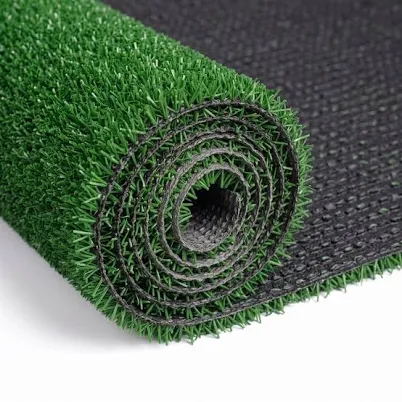
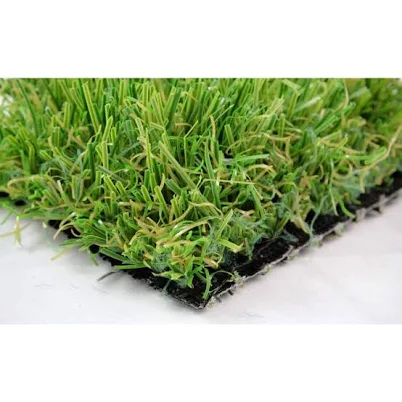
Ottomanson Evergreen Indoor/Outdoor Artificial Grass Turf Area Rug
Wait. Waterproof artificial grass likely treated with PFAS-based coatings.
Artificial grass rugs require waterproofing and stain resistance for outdoor durability. Ottomanson provides no PFAS disclosure or third-party testing.
The better-graded swap
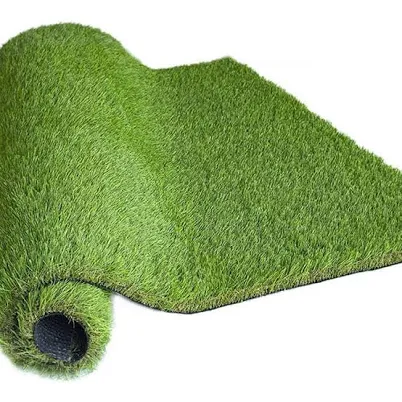
LITA
LITA ECO Ultra Thick Cut to Length
75/100 safety
Same rubric that flunked this product. The swap earned Excellent.
Still want this one anyway? Check the price on Amazon. We’d swap it.
Material
Polypropylene-based artificial grass with unspecified water/stain treatment
Brand disclosure
Brand is silent on PFAS
Lab data
No public lab test
You may also be interested in
Top-graded picks in the categories readers replace first, every one scored on the same rubric.

- polypropylene filter housing, carbon/sediment cartridge
- We found no PFAS statement from the brand
- Bacterial growth in spent cartridges
3 hazards checked on this product, all on its full breakdown.

Aquasure
Premier Series 75 GPD Under Sink Reverse Osmosis Water Filtration System
- RO membrane, carbon filters, stainless steel housing
- We found no PFAS statement from the brand
- Bacterial and microbial growth in housing and filters
4 hazards checked on this product, all on its full breakdown.

Avocado
Vegan Mattress
- organic cotton, natural latex, coconut coir, recycled steel coils
- The brand calls it PFAS-free, which we have not verified
- Heavy metals
2 hazards checked on this product, all on its full breakdown.
What Ottomanson Evergreen Turf Area Rug is made of, ingredients and materials
This rug is polypropylene-based synthetic turf, a thermoplastic polymer chosen for durability and water resistance. The 'stain and water treatment' mentioned in product descriptions typically refers to water-repellent coating (water-repellent coating) coatings, which in budget artificial grass products are frequently PFAS-based fluorinated compounds. Polypropylene itself can off-gas volatile organic compounds (VOCs), particularly when new or exposed to heat near windows or outdoor sun reflection.
What’s concerning
Category baseline
The starting point for this type of product, before anything specific to this product is counted.
No PFAS disclosure
No public statement from the brand about PFAS in this product.
Waterproof / stain-resistant treatment
Water-repellent coating treatments have historically used PFAS.
Volatile organic compounds (VOC) off-gassing
Polypropylene turf, especially budget-grade, typically off-gasses acrolein, formaldehyde, and other VOCs for weeks after purchase. Indoor placement without ventilation elevates long-term respiratory and sensory irritation risk.
Flame retardants
Synthetic rugs sold for indoor use often contain brominated or chlorinated flame retardants added to the backing or polypropylene matrix. Product labeling does not specify flame retardant type, making risk assessment incomplete.
Source, EPA ↗Microfiber shedding and inhalation
Artificial turf products are documented sources of microplastic fibers released through foot traffic, vacuuming, and weathering. Accumulation in household dust poses a respiratory exposure pathway, particularly for children and pets.
water-repellent coating (water-repellent coating) coating composition
The unspecified 'water and stain treatment' coating is almost certainly PFAS-based fluorocarbon in products at this price point. This hazard is graded separately under PFAS but compounds indoor air concern if coating degrades or is abraded.
What’s reassuring
Heavy metals
No recalls or testing data specific to Ottomanson artificial grass for lead, cadmium, or arsenic in pigments. However, budget overseas-manufactured synthetic textiles sometimes contain heavy metal dyes; transparent supplier testing is absent.
Source, FDA ↗How is this PFAS grade calculated?
The brand's record and disclosure
Artificial Grass Liquidators provides no public certifications (GreenGuard, Oeko-Tex, or similar), no material safety data sheets for consumers, and no stated PFAS avoidance or water-repellent coating chemistry transparency. The brand does not publish third-party testing or environmental claims beyond basic 'waterproof' marketing. This silence on treatment chemistry is typical of budget outdoor rug suppliers and creates unresolved uncertainty about water-repellent coating formulation.
How it compares in its category
Indoor/outdoor artificial grass rugs typically carry higher VOC and flame retardant loads than natural fiber alternatives because synthetics require chemical treatments for water and stain resistance. Budget-tier products from smaller suppliers (unlike some premium brands that disclose low-PFAS alternatives) rarely specify their coating chemistry. Comparable natural options like sisal or jute mats avoid synthetic off-gassing but lose the waterproof convenience this product advertises.
If you buy it
Air the rug outdoors in sunlight for 48-72 hours before placing indoors to reduce VOC off-gassing. Vacuum or brush weekly to prevent microfiber shedding into dust. Avoid direct contact with skin during installation and keep away from heat sources (radiators, direct sunlight through windows in hot climates). Replace if backing degrades or odor persists after 2-3 weeks; degradation can accelerate leaching of additives.
What is not known about PFAS in this product?
- Basis
- Model estimate, 40% confidence, not a lab result
- Lab test
- None on record for this exact product
- Brand statement
- Ottomanson has made none
Formulations change between production runs, so check the current label. How we grade.
What are the PFAS-free alternatives to Ottomanson Evergreen Indoor/Outdoor Artificial Grass Turf Area Rug?
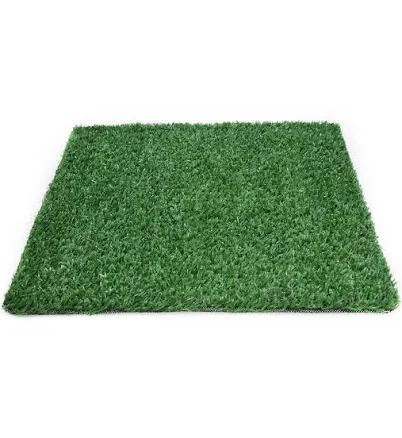
- Polypropylene (PP) astroturf
- We found no PFAS statement from the brand
- VOC off-gassing from polyurethane or latex adhesive
5 hazards checked on this product, all on its full breakdown.
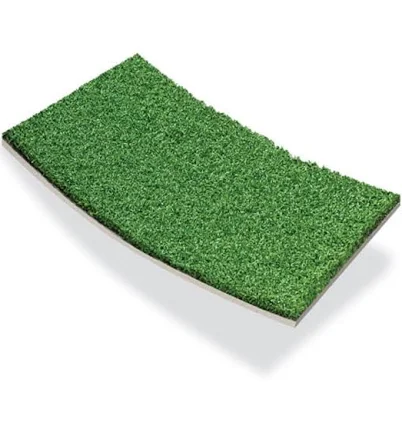
34 Oz Padded Gym Artificial Turf
- polyethylene turf fibers, polypropylene backing
- We found no PFAS statement from the brand
- VOC off-gassing from polyethylene and polypropylene
4 hazards checked on this product, all on its full breakdown.
- polyethylene/polypropylene synthetic grass fibers with backing
- We found no PFAS statement from the brand
- Flame retardants
4 hazards checked on this product, all on its full breakdown.
Find an alternative on AmazonMore artificial turf grades
How we score, every product runs through the same public 0-100 rubric based on materials, coatings, brand disclosure, lab findings, and recalls. See the full methodology → Spotted a mistake? Report an error.