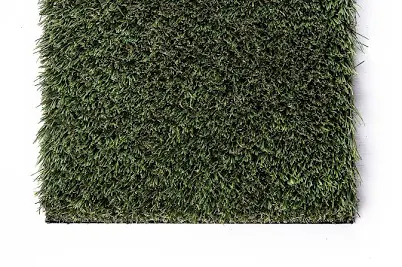
SYNLawn Artificial Grass
Wait for manufacturer to disclose coating chemistry.
SynLawn artificial grass likely uses polyethylene with water and stain-resistant treatments, but offers no public PFAS disclosure. No third-party testing or certifications confirm safety.
The better-graded swap
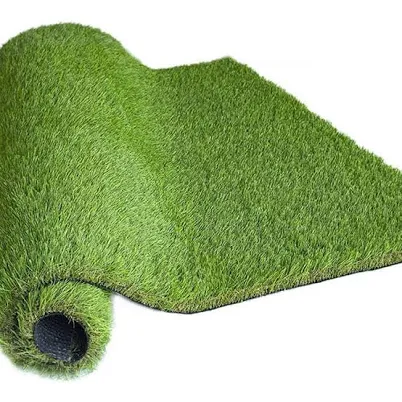
LITA
LITA ECO Ultra Thick Cut to Length
75/100 safety
Same rubric that flunked this product. The swap earned Excellent.
Still want this one anyway? Check the price on Amazon. We’d swap it.
Material
polyethylene with unspecified water/stain resistant coatings
Brand disclosure
Brand is silent on PFAS
Lab data
No public lab test
You may also be interested in
Top-graded picks in the categories readers replace first, every one scored on the same rubric.

- polypropylene filter housing, carbon/sediment cartridge
- We found no PFAS statement from the brand
- Bacterial growth in spent cartridges
3 hazards checked on this product, all on its full breakdown.

Aquasure
Premier Series 75 GPD Under Sink Reverse Osmosis Water Filtration System
- RO membrane, carbon filters, stainless steel housing
- We found no PFAS statement from the brand
- Bacterial and microbial growth in housing and filters
4 hazards checked on this product, all on its full breakdown.

Avocado
Vegan Mattress
- organic cotton, natural latex, coconut coir, recycled steel coils
- The brand calls it PFAS-free, which we have not verified
- Heavy metals
2 hazards checked on this product, all on its full breakdown.
What SYNLawn Artificial Grass is made of, ingredients and materials
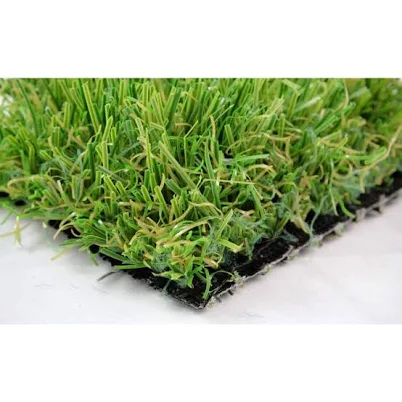
SYNLawn artificial grass is polyethylene (PE) fiber backed with a base material, treated with unspecified water and stain-resistant coatings. Polyethylene itself is chemically stable and not inherently toxic; however, the stain-resistant coating chemistry is opaque. These coatings often rely on fluorinated compounds (PFAS family) or siloxanes to repel water and oil. Without disclosure of the specific coating agent, the potential for leaching under heat, moisture, or UV exposure cannot be assessed.
What’s concerning
Category baseline
The starting point for this type of product, before anything specific to this product is counted.
No PFAS disclosure
No public statement from the brand about PFAS in this product.
Waterproof / stain-resistant treatment
Water-repellent coating treatments have historically used PFAS.
Volatile organic compounds (VOCs) from coating degradation under UV and heat
Polyethylene-based artificial grass in direct sunlight undergoes oxidative aging. Unspecified water-resistant coatings may degrade and off-gas low molecular weight organic compounds, particularly in hot climates or near reflective surfaces. No published testing for SYNLawn-specific off-gassing rates is available.
Microbial growth and odor in backing if drainage inadequate
Artificial grass backing can harbor bacteria, mold, and fungi if moisture accumulates and air circulation is poor. This is a documented maintenance issue across the category, not specific to SYNLawn, but risk is heightened in wet climates or poorly installed yards.
Polyethylene fiber shedding and microplastic accumulation
Artificial grass fibers can fragment under foot traffic, weather, and maintenance (power-washing). These microplastics may persist in soil and be tracked into the home. This is not unique to SYNLawn but is an intrinsic property of all synthetic turf; long-term soil and indoor dust impact is understudied.
PFAS
The marketing language 'water and stain resistant' in artificial grass products typically signals fluorinated compound use, yet SYNLawn does not specify. This is the primary transparency gap; see separate PFAS grading (30/100) for full assessment.
Source, ATSDR ↗What’s reassuring
Heavy metals
Polyethylene colorants and UV stabilizers may include cadmium or lead in older formulations, though modern PE typically uses alternatives with lower heavy metal concern. SYNLawn has not published material safety data or pigment sourcing; no independent testing or recalls naming heavy metals are on record for this brand.
Source, FDA ↗How is this PFAS grade calculated?
The brand's record and disclosure
Artificial Grass Liquidators has not publicly disclosed coating chemistry, ingredient certifications (e.g., Greenguard, FloorScore), or testing for heavy metals or volatile organic compounds. No major recalls or toxicological studies specific to this brand are on public record. The silence on PFAS use is notable given widespread industry scrutiny of artificial turf and PFAS in similar products; this lack of transparency is a red flag for consumer due diligence rather than evidence of harm.
How it compares in its category
Artificial grass products occupy a gray zone in home safety regulation, they are not FDA-regulated food-contact surfaces, not EPA-registered pesticides, and not subject to flame-retardant mandates. Most competitors (FieldTurf, Astroturf, local installers) similarly withhold coating chemistry. A small subset of premium brands now offer PFAS-free or fluorine-free certifications, making SYNLawn's silence a competitive disadvantage rather than an outlier risk.
If you buy it
Maintain proper drainage and rinse the surface periodically to minimize microbial growth in the backing. Avoid installing in high-heat zones (near reflective windows, dark surfaces that concentrate sun) where PE softening and accelerated coating breakdown may occur. Replace infill sand or rubber crumb per manufacturer guidelines, as these separate materials may carry their own contaminant profiles. Keep pets' contact time reasonable during extreme heat, as PE can release volatile compounds under thermal stress.
What is not known about PFAS in this product?
- Basis
- Model estimate, 35% confidence, not a lab result
- Lab test
- None on record for this exact product
- Brand statement
- SYNLawn has made none
Formulations change between production runs, so check the current label. How we grade.
What are the PFAS-free alternatives to SYNLawn Artificial Grass?
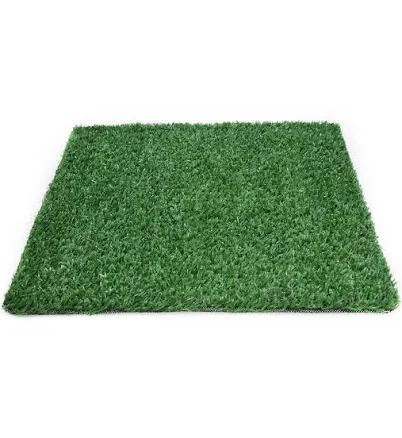
- Polypropylene (PP) astroturf
- We found no PFAS statement from the brand
- VOC off-gassing from polyurethane or latex adhesive
5 hazards checked on this product, all on its full breakdown.
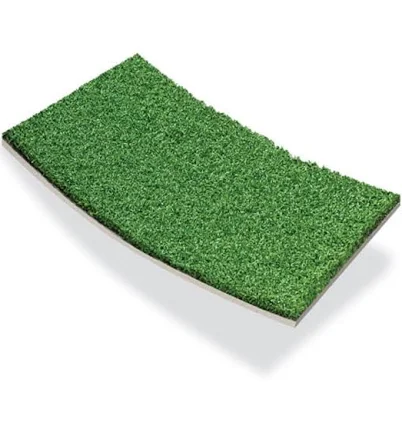
34 Oz Padded Gym Artificial Turf
- polyethylene turf fibers, polypropylene backing
- We found no PFAS statement from the brand
- VOC off-gassing from polyethylene and polypropylene
4 hazards checked on this product, all on its full breakdown.
- polyethylene/polypropylene synthetic grass fibers with backing
- We found no PFAS statement from the brand
- Flame retardants
4 hazards checked on this product, all on its full breakdown.
Find an alternative on AmazonMore artificial turf grades
How we score, every product runs through the same public 0-100 rubric based on materials, coatings, brand disclosure, lab findings, and recalls. See the full methodology → Spotted a mistake? Report an error.