ASICS · Running & Athletic Shoes
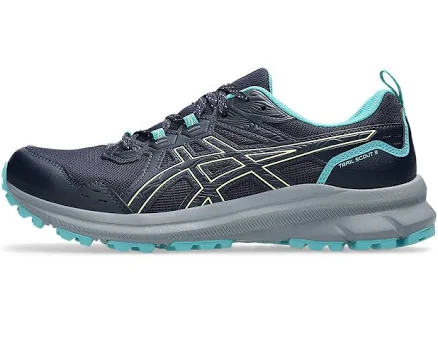
ASICS Men's Trail Scout 3
No coating described, and no PFAS statement from the brand.
The product information we reviewed describes mesh textile upper with synthetic overlays, rubber outsole, with no water-repellent coating named. Water resistance on products like this usually comes from the material and its seals rather than a surface treatment. The brand has published no PFAS statement for it.
Still want this one anyway? Check the price on Amazon. We’d swap it.
Material
Mesh textile upper with synthetic overlays, rubber outsole
Lab data
No public lab test
You may also be interested in
Top-graded picks in the categories readers replace first, every one scored on the same rubric.

- polypropylene filter housing, carbon/sediment cartridge
- We found no PFAS statement from the brand
- Bacterial growth in spent cartridges
3 hazards checked on this product, all on its full breakdown.

Aquasure
Premier Series 75 GPD Under Sink Reverse Osmosis Water Filtration System
- RO membrane, carbon filters, stainless steel housing
- We found no PFAS statement from the brand
- Bacterial and microbial growth in housing and filters
4 hazards checked on this product, all on its full breakdown.

Avocado
Vegan Mattress
- organic cotton, natural latex, coconut coir, recycled steel coils
- The brand calls it PFAS-free, which we have not verified
- Heavy metals
2 hazards checked on this product, all on its full breakdown.
What ASICS Men's Trail Scout 3 is made of, ingredients and materials
The Scout 3 uppers are mesh textile with synthetic (likely polyester or nylon) overlays, paired with rubber outsoles. Mesh allows breathability and reduces material bulk compared to solid synthetics. Synthetic overlays reinforce high-stress zones without adding heavy glues or coatings. This construction is typical for trail shoes and poses lower chemical risk than heavily treated or coated alternatives because minimal processing is needed to achieve the required durability and water shedding.
What’s concerning
Category baseline
The starting point for this type of product, before anything specific to this product is counted.
No PFAS disclosure
No public statement from the brand about PFAS in this product.
Antimony in polyester fibers
If synthetic overlays are polyester, antimony trioxide may be present as a catalyst residue at very low levels, a common byproduct in polyester manufacturing. Skin contact risk from footwear is minimal; concern is mainly occupational or during recycling.
Coating degradation and leachables from adhesives
Shoe adhesives bonding overlays to mesh can degrade with repeated wet-dry cycles and heat exposure, potentially releasing volatile organics; this is normal wear for trail shoes. Quality control at ASICS manufacturing generally limits this, but proper drying (air-dry, not heat) slows degradation.
What’s reassuring
Base material not linked to PFAS
The main material recorded for this product is not one associated with PFAS.
Formaldehyde / VOCs
No formaldehyde-releasing finish is documented for ASICS trail shoes. Standard mesh uppers typically require minimal resin treatment; if present, it is not confirmed for this model.
Source, ATSDR ↗Azo dyes in synthetic fabrics
No restricted azo dye use is documented for ASICS footwear. Industry compliance with REACH restricts certain azo compounds, and ASICS manufacturing is generally expected to follow these limits, though the brand does not issue model-specific confirmation.
Heavy metals
No heavy metal contamination is recorded for this product or brand. Athletic shoe colorants are generally low-risk when applied to synthetic uppers, as they are not ingested or heavily abraded onto skin.
Source, FDA ↗How is this PFAS grade calculated?
The brand's record and disclosure
ASICS has not published a specific PFAS elimination commitment or detailed material safety disclosure for this model. The brand does not market this shoe as free from formaldehyde resins or regulated azo dyes, though no recalls or documented violations for this product exist in public records. Industry-standard practices suggest ASICS manufacturing partners comply with REACH, ZDHC, and local footwear safety regulations, but transparency on individual product lines remains limited.
How it compares in its category
Trail running shoes in this price and performance tier typically use mesh uppers and rubber outsoles similar to the Scout 3. Some competitors (e.g., Salomon, The North Face) publish ZDHC certifications or PFAS statements; ASICS does not for this model. The material profile is neither exceptionally conservative nor aggressive; it sits in the broad middle of the category for chemical hazard exposure.
If you buy it
Wash in cool water and mild detergent to avoid degrading mesh and overlays; do not machine dry or expose to sustained heat above 65C, as synthetic fibers can shrink or degrade. Inspect the shoe quarterly for separation of overlays or sole degradation; replace when traction noticeably decreases or cushioning compresses unevenly. Store in a cool, dry space away from direct sunlight to slow synthetic aging. Proper fit and replacement every 400-600 miles of use will reduce pressure points and extend product life.
What is not known about PFAS in this product?
- Basis
- Model estimate, 45% confidence, not a lab result
- Lab test
- None on record for this exact product
- Brand statement
- ASICS has made a specific claim
Formulations change between production runs, so check the current label. How we grade.
More running & athletic shoes grades
How we score, every product runs through the same public 0-100 rubric based on materials, coatings, brand disclosure, lab findings, and recalls. See the full methodology → Spotted a mistake? Report an error.