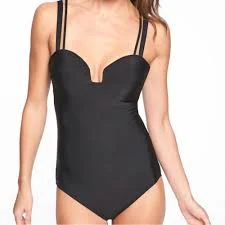
Athleta Swim Athleta Aqualuxe Square Plunge One Piece Swimsuit
Avoid until brand discloses water-repellent chemistry; coatings often contain PFAS.
Athleta has not publicly disclosed the water-repellent coating treatment chemistry used on this swimsuit. Swimwear marketed as water-resistant or long-lasting often relies on fluorinated PFAS coatings, leaving moderate PFAS risk unconfirmed without transparency or third-party testing.
The better-graded swap
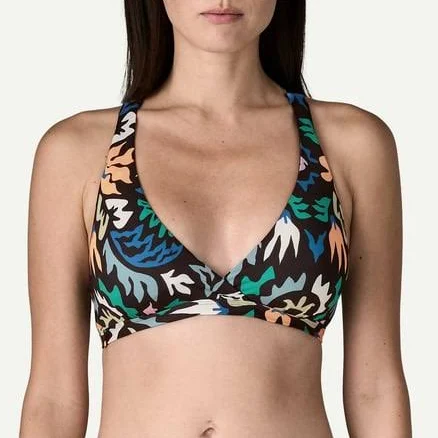
Patagonia
Patagonia Women's Bottom Turn Racerback Bikini Top
90/100 safety
Same rubric that flunked this product. The swap earned Excellent.
Still want this one anyway? Check the price on Amazon. We’d swap it.
Material
Nylon/spandex blend with water-resistant treatment
Brand disclosure
Brand is silent on PFAS
Lab data
No public lab test
You may also be interested in
Top-graded picks in the categories readers replace first, every one scored on the same rubric.

- polypropylene filter housing, carbon/sediment cartridge
- We found no PFAS statement from the brand
- Bacterial growth in spent cartridges
3 hazards checked on this product, all on its full breakdown.

Aquasure
Premier Series 75 GPD Under Sink Reverse Osmosis Water Filtration System
- RO membrane, carbon filters, stainless steel housing
- We found no PFAS statement from the brand
- Bacterial and microbial growth in housing and filters
4 hazards checked on this product, all on its full breakdown.

Avocado
Vegan Mattress
- organic cotton, natural latex, coconut coir, recycled steel coils
- The brand calls it PFAS-free, which we have not verified
- Heavy metals
2 hazards checked on this product, all on its full breakdown.
What Athleta Swim Athleta Piece Swimsuit is made of, ingredients and materials
This suit uses a nylon/spandex blend, a standard base for swimwear that is durable and stretchy. The key unknown is the water-resistant finish applied to achieve the 'Aqualuxe' performance claim. Such coatings are often polyurethane or silicone-based but may include perfluorinated compounds (PFAS) to enhance water repellency and durability. Without disclosure from Athleta, the specific chemistry cannot be confirmed, and this finish is the primary chemical concern rather than the base fibers themselves.
What’s concerning
No PFAS disclosure
No public statement from the brand about PFAS in this product.
Category baseline
The starting point for this type of product, before anything specific to this product is counted.
Waterproof / stain-resistant treatment
Water-repellent coating treatments have historically used PFAS.
PFAS
Water-repellent treatments on swimwear commonly use legacy PFAS formulations. Athleta does not disclose its supplier or coating chemistry, making PFAS presence unconfirmed but typical for this product type.
Source, ATSDR ↗Elastane (spandex) microfiber shedding
Degraded elastane fibers, especially in chlorinated water and with friction, may shed microplastics into aquatic environments. No established harm to wearers has been documented, but fibers accumulate in waterways.
Coating degradation and leachables over use
Water-resistant coatings break down with wear, potentially releasing fragments or residual treatment chemicals into water. Extent depends on coating type; fluorinated polymers persist longer and may release PFAS metabolites.
Sensitization to treatment chemicals
Some wearers report skin irritation or contact dermatitis after prolonged wear of chemically treated swimwear; reaction likelihood depends on individual sensitivity and finish chemistry, which is undisclosed here.
What’s reassuring
Dye fixation and allergen residues
No recalls or published complaints about azo dyes or formaldehyde fixing agents in Athleta swimwear are on record. Nylon accepts dyes readily and typically poses low risk if rinsed before wear, which is standard practice.
How is this PFAS grade calculated?
The brand's record and disclosure
Athleta, owned by Gap Inc., does not publicly disclose the specific chemistry of water-repellent treatments on its swimwear. The brand has not released statements on PFAS avoidance or confirmed fluorine-free alternatives for performance coatings. Gap Inc. has committed to certain sustainability goals but has not made PFAS elimination a public priority for its athletic lines. This silence is notable because competitors like Patagonia have begun disclosing or eliminating PFAS from technical apparel.
How it compares in its category
Most mainstream water-resistant swimwear (Speedo, Nike, Roxy) uses similar coatings and do not disclose PFAS status. Higher-end brands like Patagonia and some indie makers have begun offering fluorine-free water-resistant options, though at higher price points and with less extensive product ranges. Athleta's silence mirrors the industry norm but means buyers cannot differentiate this suit on chemical safety grounds. If PFAS avoidance is a priority, seeking brands with explicit fluorine-free claims is advisable.
If you buy it
Wash the suit in cold water after each saltwater or chlorine use to reduce coating degradation and extend life. Avoid fabric softeners and high heat (tumble dry low or air dry only), which can break down both the elastane and the water-resistant finish. Replace the suit every 2-3 years of regular use, as elastane loses stretch and coatings eventually fail. If concerned about PFAS exposure, contact Athleta directly requesting treatment chemistry; lack of response should inform your future purchases.
What is not known about PFAS in this product?
- Basis
- Model estimate, 45% confidence, not a lab result
- Lab test
- None on record for this exact product
- Brand statement
- Athleta has made none
Formulations change between production runs, so check the current label. How we grade.
What are the PFAS-free alternatives to Athleta Swim Athleta Aqualuxe Square Plunge One Piece Swimsuit?
- Nylon/polyester blend with elastane (standard swimwear)
- The brand calls it PFAS-free, which we have not verified
- Elastane (spandex) degradation under heat or chlorine
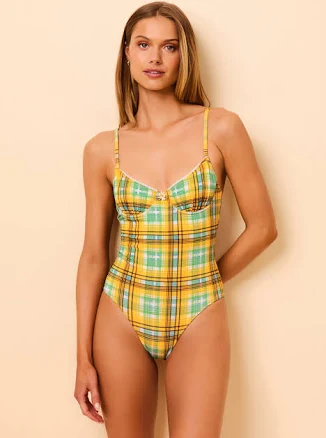
- Cotton/cotton-blend seersucker plaid
- We found no PFAS statement from the brand
- Azo dyes and colorfast stability
2 hazards checked on this product, all on its full breakdown.
Find an alternative on Amazon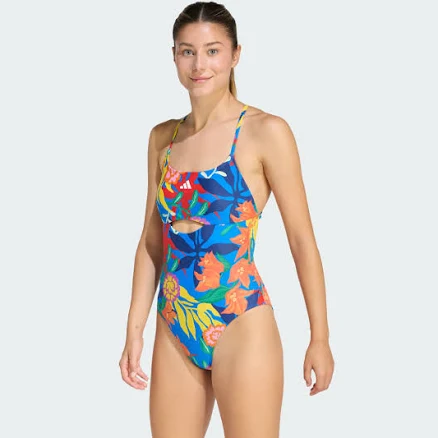
- Polyester/nylon swimsuit fabric, likely uncoated or standard finish
- Azo dyes and synthetic colorants
4 hazards checked on this product, all on its full breakdown.
Find an alternative on AmazonMore swimwear grades
How we score, every product runs through the same public 0-100 rubric based on materials, coatings, brand disclosure, lab findings, and recalls. See the full methodology → Spotted a mistake? Report an error.