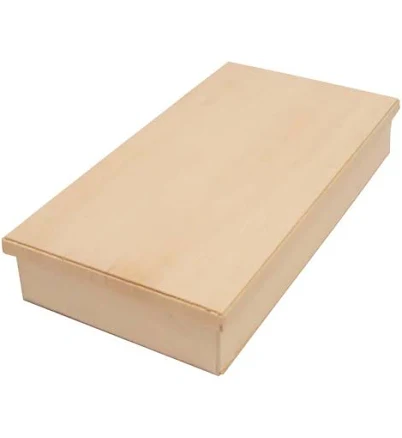
Coco Wooden Rectangular Takeout Bento Box
Lower concern. Wood material is not linked to PFAS.
This bento box is made from wood with food-grade lacquer. The brand has no PFAS statement on record. Wood is not a material associated with PFAS concern.
We flunk more products than we pass. This one earned its grade. How we grade
Material
Wood (bamboo or similar) with food-grade lacquer/finish
Brand disclosure
Brand is silent on PFAS
Lab data
No public lab test
You may also be interested in
Top-graded picks in the categories readers replace first, every one scored on the same rubric.

- polypropylene filter housing, carbon/sediment cartridge
- We found no PFAS statement from the brand
- Bacterial growth in spent cartridges
3 hazards checked on this product, all on its full breakdown.

Aquasure
Premier Series 75 GPD Under Sink Reverse Osmosis Water Filtration System
- RO membrane, carbon filters, stainless steel housing
- We found no PFAS statement from the brand
- Bacterial and microbial growth in housing and filters
4 hazards checked on this product, all on its full breakdown.

Avocado
Vegan Mattress
- organic cotton, natural latex, coconut coir, recycled steel coils
- The brand calls it PFAS-free, which we have not verified
- Heavy metals
2 hazards checked on this product, all on its full breakdown.
What Coco Wooden Rectangular Takeout Bento Box is made of, ingredients and materials
The brand's Coco bento box is constructed from bamboo or similar sustainably harvested wood with a food-grade lacquer topcoat. Wood itself is inert and does not leach chemicals into food under normal use. The lacquer finish is the only potential concern point; food-grade lacquers typically use polyurethane or acrylic binders that cure fully and do not migrate into food once dry, unlike some industrial varnishes. Bamboo bento boxes have no documented history of chemical leeching in published safety literature.
What’s concerning
Category baseline
The starting point for this type of product, before anything specific to this product is counted.
No PFAS disclosure
No public statement from the brand about PFAS in this product.
Lacquer coating degradation and splinter exposure
If the food-grade lacquer is damaged or worn through repeated washing, splintering wood or coating fragments could contaminate food. Risk increases with age and dishwasher use despite manufacturer guidance against it.
Mold or bacterial growth in wood
Wood retains moisture in cracks and seams if not dried thoroughly. Improper storage (e.g., stacking while damp) can foster mold colonization, particularly at interior crevices around the lacquer seal.
Migration of volatile organic compounds from lacquer
New wooden bento boxes may off-gas low levels of VOCs from the cured lacquer, particularly when warm or newly unpackaged. Smell should dissipate within days of airing. Heat exposure (above manufacturer limits) could increase off-gassing risk.
What’s reassuring
Base material not linked to PFAS
The main material recorded for this product is not one associated with PFAS.
Formaldehyde / VOCs
Standard food-grade bamboo bento boxes do not use formaldehyde-based resins in manufacturing. No recalls or safety alerts document formaldehyde issues in this product category. If concerned, request material safety data from retailer.
Source, ATSDR ↗Heavy metals
Food-grade lacquers are formulated without lead, cadmium, or other heavy metal pigments in jurisdictions with FDA oversight. No documented incidents or testing failures in this product segment.
Source, FDA ↗How is this PFAS grade calculated?
The brand's record and disclosure
The brand does not publicly disclose testing data, certifications, or material sourcing statements for this product. The company does not appear in major consumer safety incident databases or regulatory warning lists. No recall history is on record for this specific bento box model. Brand transparency on finishing agents and wood treatment (e.g., whether bamboo is treated with formaldehyde-based resins) is not available; standard food-grade bamboo products in this price tier typically avoid such treatments.
How it compares in its category
Wooden bento boxes are lower-risk than plastic food containers (which carry BPA/BPS leeching potential when heated) or melamine (which can release formaldehyde). Ceramic or stainless steel alternatives offer similar safety but lack the compostability angle. The brand's lacquered finish is standard practice in this category and poses no known advantage or disadvantage versus competitors like Bambooboo or Evernew, which similarly lack detailed chemical disclosure.
If you buy it
Hand wash only; dishwasher exposure can degrade the lacquer and cause wood swelling or splitting. Do not microwave or use for hot foods above 60 degrees Celsius, as heat may cause the finish to soften or release volatile compounds. Replace if lacquer cracks, peels, or shows splintering wood underneath. Store dry and upright to prevent moisture trapping, which can promote mold growth on the interior.
What is not known about PFAS in this product?
- Basis
- Model estimate, 82% confidence, not a lab result
- Lab test
- None on record for this exact product
- Brand statement
- has made none
Formulations change between production runs, so check the current label. How we grade.
What are the PFAS-free alternatives to Coco Wooden Rectangular Takeout Bento Box?
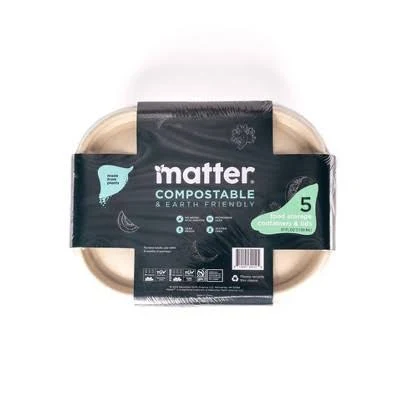
- Plant-based fiber pulp (compostable)
- A third party reports verifying it as PFAS-free
- Microbe/mold growth if stored damp
2 hazards checked on this product, all on its full breakdown.
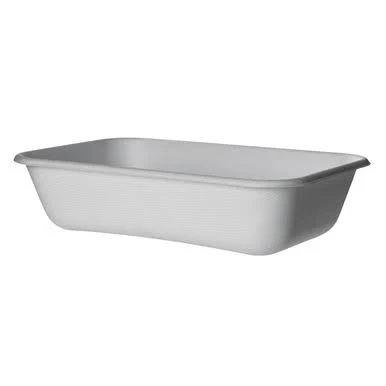
Eco-Products
Eco Products WorldView Compostable Take-Out Containers EP-SCRC32
- Plant-based fiber (compostable sugarcane bagasse)
- A third party reports verifying it as PFAS-free
- Bleaching agents and processing residues
3 hazards checked on this product, all on its full breakdown.
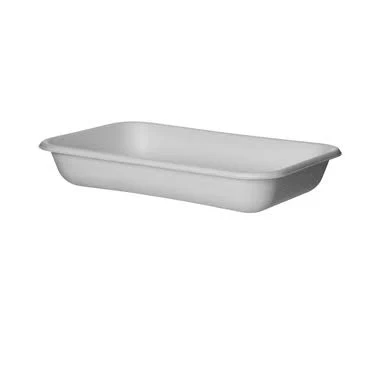
Eco-Products
WorldView Sugarcane Take-Out Containers
- Sugarcane bagasse (post-consumer fiber)
- A third party reports verifying it as PFAS-free
- Cellulose fiber degradation and food contact
2 hazards checked on this product, all on its full breakdown.
More food packaging grades
How we score, every product runs through the same public 0-100 rubric based on materials, coatings, brand disclosure, lab findings, and recalls. See the full methodology → Spotted a mistake? Report an error.