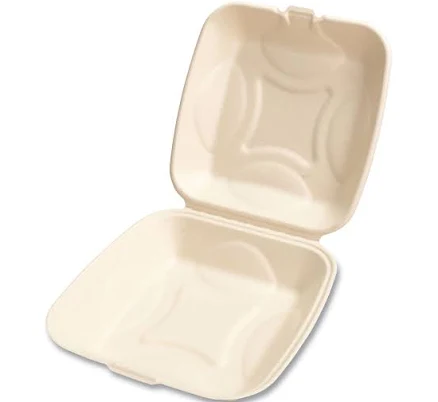
Bagasse PFAS-Free Food Containers
Bagasse fiber, with a brand PFAS-free claim we have not verified.
Bagasse fiber has no inherent PFAS risk and the brand claims PFAS-free status. Third-party testing on the full product isn't public.
Brand says: “PFAS-Free Food Containers”
We flunk more products than we pass. This one earned its grade. How we grade
Material
Bagasse (sugarcane fiber pulp)
Brand disclosure
Brand claims PFAS-free
Lab data
No public lab test
You may also be interested in
Top-graded picks in the categories readers replace first, every one scored on the same rubric.

- polypropylene filter housing, carbon/sediment cartridge
- We found no PFAS statement from the brand
- Bacterial growth in spent cartridges
3 hazards checked on this product, all on its full breakdown.

Aquasure
Premier Series 75 GPD Under Sink Reverse Osmosis Water Filtration System
- RO membrane, carbon filters, stainless steel housing
- We found no PFAS statement from the brand
- Bacterial and microbial growth in housing and filters
4 hazards checked on this product, all on its full breakdown.

Avocado
Vegan Mattress
- organic cotton, natural latex, coconut coir, recycled steel coils
- The brand calls it PFAS-free, which we have not verified
- Heavy metals
2 hazards checked on this product, all on its full breakdown.
What Bagasse PFAS-Free Food Containers is made of, ingredients and materials
Bagasse is the fibrous pulp left over after sugarcane juice extraction, processed into molded food containers without synthetic binders or coatings in most formulations. This cellulose-based material is not a material linked to PFAS, BPA, BPS, and phthalates because it contains no petroleum plastics or fluorinated compounds. The primary risk lies in additives (if any) used during molding and any protective coatings applied post-manufacture, though PFAS-free bagasse products typically use minimal processing.
What’s concerning
Category baseline
The starting point for this type of product, before anything specific to this product is counted.
Microplastics
Bagasse pulp can shed fine cellulose fibers, particularly if the container is damaged, flexed excessively, or soaked. While cellulose is food-grade and biodegradable, ingestion of loose fibers is unlikely to cause acute toxicity but is not desirable; minimize by avoiding prolonged moisture contact and physical abrasion.
Source, EPA ↗Mold and bacterial colonization
Bagasse's porous, organic fiber structure can retain moisture and harbor mold or bacteria if stored in damp conditions or washed repeatedly without thorough drying. This is a hygiene concern rather than a chemical hazard; keep containers dry and well-ventilated before reuse or storage.
Coating leachables (if any waterproofing applied)
Some bagasse containers marketed as 'water-resistant' or 'coated' may use acrylic, wax, or plant-based sealants; PFAS-free variants should explicitly confirm no fluorinated compounds, but non-PFAS coatings can still release low levels of organic compounds under heat or prolonged acidic contact. Always verify the specific product's coating disclosure.
What’s reassuring
Base material not linked to PFAS
The main material recorded for this product is not one associated with PFAS.
Brand-stated PFAS-free
The brand states this product is PFAS-free. We have not verified the claim.
Adhesives and processing residues
Bagasse molding may use small amounts of starch-based or natural binders, and no major contamination with heavy metals, formaldehyde, or off-gassing compounds has been documented. However, independent testing of specific batches or formulations is not routinely disclosed by the manufacturer; verify certification if trace residues are a concern.
Heavy metals
Bagasse containers with printed logos or text use food-contact-compliant inks in regulated markets, and no recalls for ink contamination have been documented. Ensure any printed surfaces do not contact food directly; opt for unprinted containers if maximum safety margin is preferred.
Source, FDA ↗How is this PFAS grade calculated?
The brand's record and disclosure
The Bagasse brand explicitly markets PFAS-free status, which aligns with the material's inherent properties; bagasse itself does not require fluorinated water-resistance treatments like some plastic alternatives. Independent third-party testing or certifications (e.g., Sustainable Packaging Coalition, OK Compost Home) are not universally documented for all Bagasse products, so verification of specific batch testing is prudent. No major recalls or contamination incidents are on record for this brand or bagasse food containers as a category.
How it compares in its category
Bagasse containers represent a lower-chemical alternative to polystyrene (PS) and polypropylene (PP) takeout containers, which sometimes retain processing residues or off-gas volatile organics. They show lower concern than traditional PFOA-coated paper food containers or PET plastics that may leach trace BPA under heat. Bagasse is comparable to molded fiber (recycled paper pulp) in safety profile but uses agricultural waste rather than post-consumer paper, offering a more transparent supply chain.
If you buy it
Bagasse containers are suitable for room-temperature and warm foods (typically to approximately 120-140°C / 250-280°F) but should not be used in microwave ovens or for extended contact with hot oils or acidic liquids, which may degrade the fiber structure and cause leaching. Store in a cool, dry place away from direct sunlight to prevent moisture absorption and mold growth; replace containers if visible degradation, staining, or odor develops. Compost if certified compostable, or verify local recycling acceptance, as bagasse acceptance varies by facility. Always check the product label for any applied coatings or adhesives that may contain unlisted additives.
What is not known about PFAS in this product?
- Basis
- Model estimate, 72% confidence, not a lab result
- Lab test
- None on record for this exact product
- Brand statement
- Bagasse has made a specific claim
Formulations change between production runs, so check the current label. How we grade.
What are the PFAS-free alternatives to Bagasse PFAS-Free Food Containers?
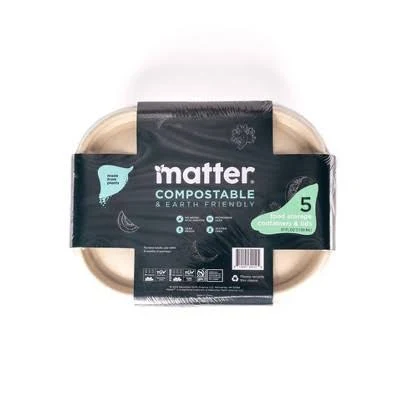
- Plant-based fiber pulp (compostable)
- A third party reports verifying it as PFAS-free
- Microbe/mold growth if stored damp
2 hazards checked on this product, all on its full breakdown.
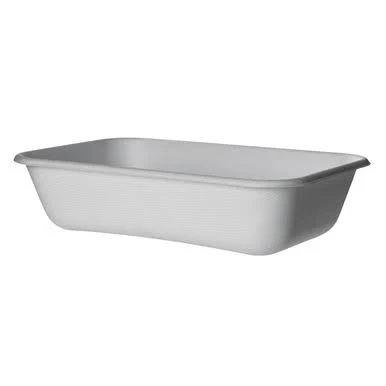
Eco-Products
Eco Products WorldView Compostable Take-Out Containers EP-SCRC32
- Plant-based fiber (compostable sugarcane bagasse)
- A third party reports verifying it as PFAS-free
- Bleaching agents and processing residues
3 hazards checked on this product, all on its full breakdown.
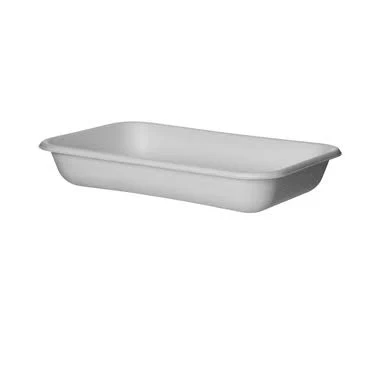
Eco-Products
WorldView Sugarcane Take-Out Containers
- Sugarcane bagasse (post-consumer fiber)
- A third party reports verifying it as PFAS-free
- Cellulose fiber degradation and food contact
2 hazards checked on this product, all on its full breakdown.
More food packaging grades
How we score, every product runs through the same public 0-100 rubric based on materials, coatings, brand disclosure, lab findings, and recalls. See the full methodology → Spotted a mistake? Report an error.