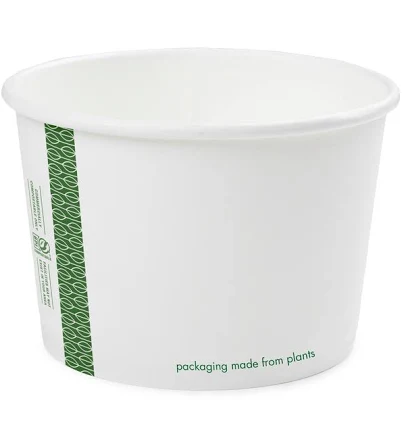
16 oz. Compostable Soup Container, 115-Series, Pack 25
BPI Certified Compostable certification on record, alongside a water-repellent or grease-resistant treatment of unstated chemistry.
This product carries BPI Certified Compostable certification, whose criteria restrict PFAS, which we record as third-party verification. Vegware says its Nourish molded fibre is made with no added PFAS. Its record describes a water-repellent or grease-resistant treatment of unstated chemistry, which is still counted.
Brand says: “Vegware says its Nourish molded fibre is made with no added PFAS.”
We flunk more products than we pass. This one earned its grade. How we grade
Material
Bagasse (sugarcane fiber) with plant-based coating
Brand disclosure
Third-party verified PFAS-free
Lab data
No public lab test
You may also be interested in
Top-graded picks in the categories readers replace first, every one scored on the same rubric.

- polypropylene filter housing, carbon/sediment cartridge
- We found no PFAS statement from the brand
- Bacterial growth in spent cartridges
3 hazards checked on this product, all on its full breakdown.

Aquasure
Premier Series 75 GPD Under Sink Reverse Osmosis Water Filtration System
- RO membrane, carbon filters, stainless steel housing
- We found no PFAS statement from the brand
- Bacterial and microbial growth in housing and filters
4 hazards checked on this product, all on its full breakdown.

Avocado
Vegan Mattress
- organic cotton, natural latex, coconut coir, recycled steel coils
- The brand calls it PFAS-free, which we have not verified
- Heavy metals
2 hazards checked on this product, all on its full breakdown.
What’s concerning
Category baseline
The starting point for this type of product, before anything specific to this product is counted.
Waterproof / stain-resistant treatment
Water-repellent coating treatments have historically used PFAS.
Coating leachate (plant-based, unspecified chemistry)
The water-repellent or grease-resistant coating is plant-derived but its exact composition is not disclosed by Vegware. BPI certification implies food-contact safety under standard use, but the absence of public chemical identity prevents independent assessment of leaching risk under stress conditions (prolonged contact, hot contents, acidic foods).
Improper disposal and environmental persistence
If disposed in standard landfill or littered, bagasse containers do not reliably break down and can persist for years, potentially fragmenting into debris mistaken for wood or paper. This is not a food-safety hazard but an end-of-life failure if composting infrastructure is unavailable.
What’s reassuring
Third-party PFAS-free verification
A third party reports verifying this product as PFAS-free.
Microplastics
Bagasse fiber itself does not shed microplastics. BPI certification requires that any coating polymer fragment dispersed during composting must meet size and biodegradability thresholds, so contamination of final compost is unlikely if composted correctly.
Source, EPA ↗Formaldehyde / VOCs
Bagasse molding typically relies on thermal pressing and the plant-based coating rather than synthetic adhesives. No formaldehyde-containing binders are evident from available product information or BPI documentation for this container series.
Source, ATSDR ↗Heavy metals
No published testing has identified lead, cadmium, or other heavy metals in Vegware bagasse containers or their coatings. BPI certification includes migration testing for food contact, reducing this risk profile relative to unregulated alternatives.
Source, FDA ↗How is this PFAS grade calculated?
What it is and why it matters
This container is molded from bagasse, the fibrous residue left after sugarcane processing, rather than virgin pulp or plastic. Bagasse is inherently compostable and requires no synthetic polymer base. The plant-based coating applied for water and grease resistance is the unknown variable; Vegware does not publicly name its chemistry, though BPI certification suggests it meets compostability standards when disposed in industrial facilities. This material class is designed as a single-use, end-of-life compost input, not for reuse.
The brand's record and disclosure
Vegware holds BPI (Biodegradable Products Institute) Certified Compostable status, a third-party verification that the container and its coatings break down in industrial compost within defined timeframes. The company has a documented sustainability focus and transparent labeling of compostability. However, Vegware does not publicly disclose the specific chemical identity of its water-repellent coating, which limits independent verification of leachate risk. No recalls or contamination incidents are on record for this product line.
How it compares in its category
Bagasse containers are a middle ground between compostable paper/cardboard (which delaminate when wet) and plastic takeout containers (which persist for decades). They outperform standard polycoated paperboard on end-of-life impact but require industrial composting infrastructure to realize that benefit; in landfill or litter, bagasse degrades slowly and incompletely. Compared to PLA or PET alternatives, bagasse avoids microplastic shedding and petroleum input, though the coating chemistry remains less transparent than some competing compostable brands.
If you buy it
Use only for hot or cold foods intended for immediate consumption; do not reheat food in the container, as the plant-based coating stability at high temperatures is not publicly detailed. Store dry at room temperature before use. After use, place in industrial compost if available in your area; if sent to municipal recycling or landfill, it will not decompose as intended. Do not assume home compost will break it down in reasonable time. Check your local waste facility's acceptance of BPI-certified products, as some regions lack the processing infrastructure.
What is not known about PFAS in this product?
- Basis
- Model estimate, 82% confidence, not a lab result
- Lab test
- None on record for this exact product
- Brand statement
- Vegware has made a specific claim
Formulations change between production runs, so check the current label. How we grade.
What are the PFAS-free alternatives to 16 oz. Compostable Soup Container, 115-Series, Pack 25?
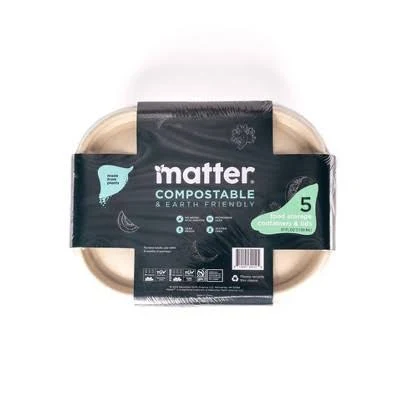
- Plant-based fiber pulp (compostable)
- A third party reports verifying it as PFAS-free
- Microbe/mold growth if stored damp
2 hazards checked on this product, all on its full breakdown.
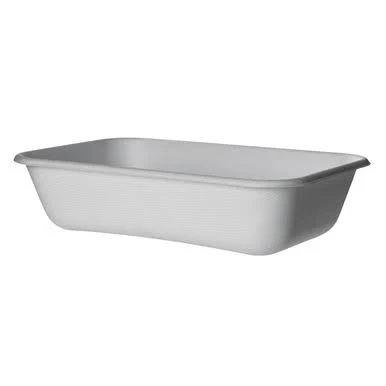
Eco-Products
Eco Products WorldView Compostable Take-Out Containers EP-SCRC32
- Plant-based fiber (compostable sugarcane bagasse)
- A third party reports verifying it as PFAS-free
- Bleaching agents and processing residues
3 hazards checked on this product, all on its full breakdown.
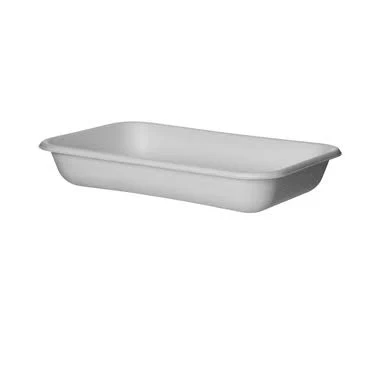
Eco-Products
WorldView Sugarcane Take-Out Containers
- Sugarcane bagasse (post-consumer fiber)
- A third party reports verifying it as PFAS-free
- Cellulose fiber degradation and food contact
2 hazards checked on this product, all on its full breakdown.
More food packaging grades
How we score, every product runs through the same public 0-100 rubric based on materials, coatings, brand disclosure, lab findings, and recalls. See the full methodology → Spotted a mistake? Report an error.