Veneerware 9 in Round Bamboo Plates
Lower concern; bamboo plates unlikely to contain PFAS.
Bambu's bamboo plates are uncoated natural fiber products with no applied water-repellent or nonstick treatments. No PFAS risk signals detected, though brand does not explicitly claim PFAS-free status.
We flunk more products than we pass. This one earned its grade. How we grade
Material
Bamboo fiber composite
Brand disclosure
Brand is silent on PFAS
Lab data
No public lab test
You may also be interested in
Top-graded picks in the categories readers replace first, every one scored on the same rubric.

- polypropylene filter housing, carbon/sediment cartridge
- We found no PFAS statement from the brand
- Bacterial growth in spent cartridges
3 hazards checked on this product, all on its full breakdown.

Aquasure
Premier Series 75 GPD Under Sink Reverse Osmosis Water Filtration System
- RO membrane, carbon filters, stainless steel housing
- We found no PFAS statement from the brand
- Bacterial and microbial growth in housing and filters
4 hazards checked on this product, all on its full breakdown.

Avocado
Vegan Mattress
- organic cotton, natural latex, coconut coir, recycled steel coils
- The brand calls it PFAS-free, which we have not verified
- Heavy metals
2 hazards checked on this product, all on its full breakdown.
What Veneerware 9 in Round Bamboo Plates is made of, ingredients and materials
Veneerware bamboo plates are made from bamboo fiber composite, a blend of ground bamboo plant material and a resin binder (typically melamine-formaldehyde or phenol-formaldehyde). This composite is lightweight, durable, and heat-resistant compared to pure bamboo. The resin binder is the primary chemical concern in this category, as formaldehyde release is possible if the resin is not fully cured or if the product is exposed to prolonged heat or moisture.
What’s concerning
Category baseline
The starting point for this type of product, before anything specific to this product is counted.
No PFAS disclosure
No public statement from the brand about PFAS in this product.
Formaldehyde / VOCs
Bamboo fiber composite plates use formaldehyde-based resins; off-gassing is typically low at room temperature but increases with heat, humidity, or age. No independent emission testing for this specific product is on record.
Source, ATSDR ↗Microplastic migration when heated
Melamine composite can degrade and shed microparticles if exposed to high heat or aggressive wear; risk is lower for normal dining use but increases with hot foods or dishwasher cycling.
Bacterial or mold colonization in cracks
Bamboo composite is porous and can absorb water and food residue if seals fail or cracks develop; this creates a niche for bacterial growth if plates are not dried promptly or replaced when worn.
What’s reassuring
Base material not linked to PFAS
The main material recorded for this product is not one associated with PFAS.
Heavy metals
No reports of lead, cadmium, or other heavy-metal contamination in Bambu Veneerware products; this is not a known issue in bamboo composite tableware, but color additives are not independently certified.
Source, FDA ↗Coating adhesion and degradation
Bamboo fiber composite does not rely on applied surface coatings like ceramic glazes or non-stick finishes; the material itself is the functional layer, reducing the risk of flaking or peeling over time.
How is this PFAS grade calculated?
The brand's record and disclosure
Bambu (the manufacturer) does not publicly disclose detailed material composition, manufacturing standards, or third-party safety certifications for this product line. No major recalls or safety controversies specific to Veneerware bamboo plates are on public record. The brand maintains a silent stance on PFAS, which is typical for bamboo composite producers but leaves formaldehyde emission data unverified by independent testing.
How it compares in its category
Bamboo fiber composite plates occupy a middle ground between melamine dishes (higher formaldehyde risk, more durable) and natural bamboo (lower chemical concern, lower durability). They are less regulated than ceramic or glass food ware and avoid the coating-degradation risks of non-stick or glazed cookware. Compared to bamboo-veneer products, solid bamboo fiber composite is more stable and less prone to splintering or delamination.
If you buy it
Use these plates for room-temperature or warm (not hot) food; avoid prolonged contact with very hot liquids or oven heating. Handwash gently and dry immediately to prevent water absorption at edges, which can weaken the resin bond over years. Replace the plates if you notice discoloration, softening, or odor, as these may signal resin breakdown or microbial growth. Store in a cool, dry place away from direct sunlight to minimize formaldehyde off-gassing.
What is not known about PFAS in this product?
- Basis
- Model estimate, 72% confidence, not a lab result
- Lab test
- None on record for this exact product
- Brand statement
- Bambu has made none
Formulations change between production runs, so check the current label. How we grade.
What are the PFAS-free alternatives to Veneerware 9 in Round Bamboo Plates?
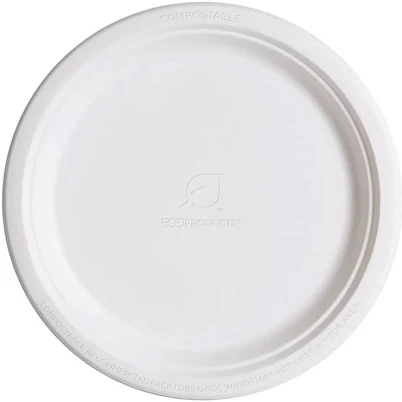
- molded sugarcane fiber (bagasse), uncoated
- A third party reports verifying it as PFAS-free
- Microplastic or fiber fragmentation during heating
2 hazards checked on this product, all on its full breakdown.
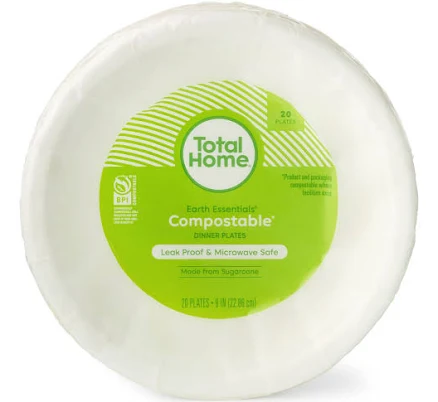
Total Home
Earth Essentials Compostable Dinner Plate
- compostable fiber/plant-based coating
- A third party reports verifying it as PFAS-free
- Coating degradation and leaching under use conditions
2 hazards checked on this product, all on its full breakdown.
More disposable plates grades
How we score, every product runs through the same public 0-100 rubric based on materials, coatings, brand disclosure, lab findings, and recalls. See the full methodology → Spotted a mistake? Report an error.