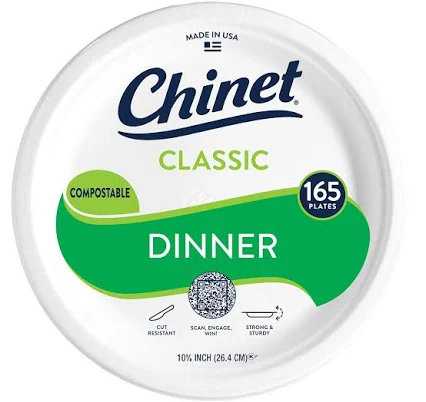
Chinet Classic Dinner Paper Plates
Avoid until Chinet reveals the coating chemistry; greaseproof paper plates often contain PFAS.
These paper plates have a water and grease-resistant coating, but Chinet keeps the chemical formula secret. Grease-resistant paper products typically use PFAS, and without testing or a PFAS-free guarantee, you're taking a risk.
The better-graded swap
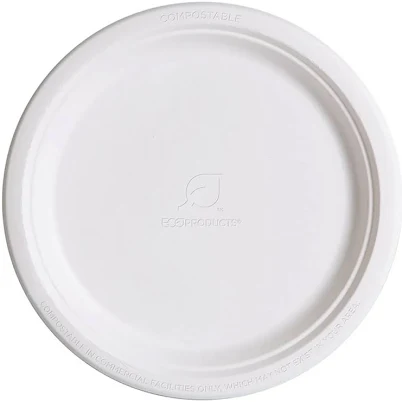
Eco-Products
Eco Products Sugarcane Plates
100/100 safety
Same rubric that flunked this product. The swap earned Excellent.
Still want this one anyway? Check the price on Amazon. We’d swap it.
Material
Paper with grease-resistant coating (composition unspecified)
Brand disclosure
Brand is silent on PFAS
Lab data
No public lab test
You may also be interested in
Top-graded picks in the categories readers replace first, every one scored on the same rubric.

- polypropylene filter housing, carbon/sediment cartridge
- We found no PFAS statement from the brand
- Bacterial growth in spent cartridges
3 hazards checked on this product, all on its full breakdown.

Aquasure
Premier Series 75 GPD Under Sink Reverse Osmosis Water Filtration System
- RO membrane, carbon filters, stainless steel housing
- We found no PFAS statement from the brand
- Bacterial and microbial growth in housing and filters
4 hazards checked on this product, all on its full breakdown.

Avocado
Vegan Mattress
- organic cotton, natural latex, coconut coir, recycled steel coils
- The brand calls it PFAS-free, which we have not verified
- Heavy metals
2 hazards checked on this product, all on its full breakdown.
What Chinet Classic Dinner Paper Plates is made of, ingredients and materials
Chinet Classic Dinner plates are paper stock (likely virgin or recycled fiber) with an applied grease-resistant coating designed to prevent food oils from soaking through. The coating chemistry is proprietary and not disclosed on packaging or the Chinet/Huhtamaki website. Greaseproof coatings on food-contact paper are historically formulated with fluorochemicals (PFAS) to achieve water and oil repellency; non-PFAS alternatives exist but are less common. Without transparent ingredient disclosure, users cannot determine if this product uses legacy PFAS, newer replacements, or genuinely PFAS-free chemistry.
What’s concerning
Category baseline
The starting point for this type of product, before anything specific to this product is counted.
No PFAS disclosure
No public statement from the brand about PFAS in this product.
Waterproof / stain-resistant treatment
Water-repellent coating treatments have historically used PFAS.
PFAS
The grease-resistant coating chemistry is proprietary and undisclosed. While PFAS is the primary concern (graded separately), the coating may contain other fluorinated compounds, silicones, or additives not listed on packaging. Migration to fatty or acidic foods is theoretically possible, especially under heat.
Source, ATSDR ↗Heat-triggered coating breakdown
Paper plates with applied coatings are not designed for microwave, oven, or hot food contact per standard disclaimers. Elevated temperature can degrade polymer coatings and increase leaching of monomers or additives into food. Users often ignore these warnings, particularly with hot beverages or plate reheating.
Recycled fiber contaminants (if recycled content used)
Some Chinet products use recycled paper. Recycled fiber can retain legacy inks, adhesives, or coatings from prior use; food-contact recycled paper is required to meet FDA standards, but contaminant levels are not publicly reported per product.
What’s reassuring
Microplastic/polymer particles from coating wear
No documented cases of particles from Chinet plates specifically, but worn or damaged coatings on any polymer-coated paper product could shed microfibers or flakes into food over time. This is a use-life concern, not a manufacturing defect.
Adhesive or sizing residues in paper pulp
Paper plate manufacturing involves sizing agents and adhesives to bind fibers. These are generally food-approved, but formulations are not disclosed per product. No recalls or contamination events are on record for Chinet Classic plates.
How is this PFAS grade calculated?
The brand's record and disclosure
Chinet (owned by Huhtamaki) has not publicly disclosed commitments to eliminate PFAS from food-service products or published coating formulation details. The brand does not advertise PFAS-free status or pursue third-party certifications (e.g.Green Seal, OEKO-TEX) that would verify lower-concern chemistry. Huhtamaki has faced no major recalls or public litigation tied to Chinet plates specifically, but the company's silence on PFAS in a product category known to contain it is a transparency gap.
How it compares in its category
Disposable paper plates with grease resistance exist on a spectrum, uncoated paper (no grease barrier, soaks through), PFAS-coated (common, cheap, contamination risk), and emerging coatings without known PFAS concern (plant-based or silicone alternatives, pricier, limited availability). Chinet is a mass-market standard product positioned as affordable; it competes with similar major brands (Dixie, AmazonBasics) whose coatings are also largely unspecified. Consumers seeking certified PFAS-free disposables must typically seek specialty brands or bulk suppliers that explicitly market that feature.
If you buy it
Use for room-temperature or cooler foods (salads, bread, cold appetizers) rather than hot foods, which may increase coating leaching. Do not put in microwave, oven, or on direct heat; high temperature is not recommended by manufacturer and could mobilize coatings. Replace plates if you notice coating wear, flaking, or water no longer beading on the surface. Consider these a convenience item for one-time events, not a daily staple; frequent use means repeated low-level exposure to unknown coating chemistry.
What is not known about PFAS in this product?
- Basis
- Model estimate, 45% confidence, not a lab result
- Lab test
- None on record for this exact product
- Brand statement
- Chinet has made none
Formulations change between production runs, so check the current label. How we grade.
What are the PFAS-free alternatives to Chinet Classic Dinner Paper Plates?
- molded sugarcane fiber (bagasse), uncoated
- A third party reports verifying it as PFAS-free
- Microplastic or fiber fragmentation during heating
2 hazards checked on this product, all on its full breakdown.
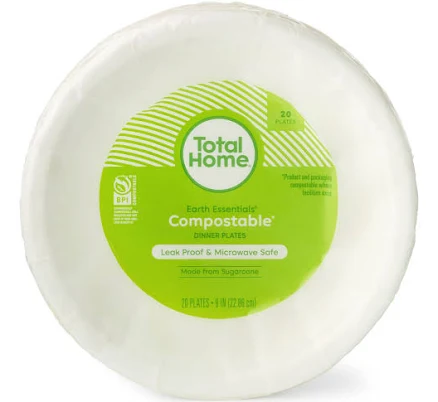
Total Home
Earth Essentials Compostable Dinner Plate
- compostable fiber/plant-based coating
- A third party reports verifying it as PFAS-free
- Coating degradation and leaching under use conditions
2 hazards checked on this product, all on its full breakdown.
- Bamboo fiber composite
- We found no PFAS statement from the brand
- Formaldehyde / VOCs
3 hazards checked on this product, all on its full breakdown.
More disposable plates grades
How we score, every product runs through the same public 0-100 rubric based on materials, coatings, brand disclosure, lab findings, and recalls. See the full methodology → Spotted a mistake? Report an error.