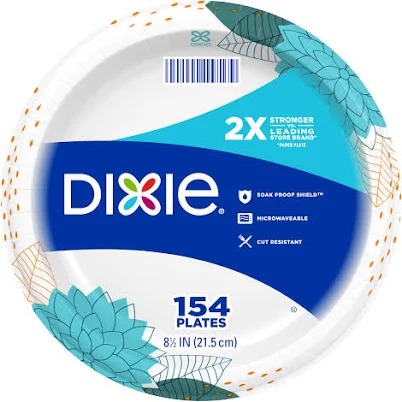
Dixie 8.5" Paper Plates
Paper plates with grease-resistant coating of undisclosed chemistry.
Dixie coats these paper plates to resist grease, a function historically done with PFAS, but the company has no PFAS statement on record and does not disclose the coating chemistry. No independent tests or certifications exist for this product.
The better-graded swap
Bambu
Veneerware 9 in Round Bamboo Plates
85/100 safety
Same rubric that flunked this product. The swap earned Excellent.
Still want this one anyway? Check the price on Amazon. We’d swap it.
Material
paper with grease-resistant coating (likely fluorinated)
Brand disclosure
Brand is silent on PFAS
Lab data
No public lab test
You may also be interested in
Top-graded picks in the categories readers replace first, every one scored on the same rubric.

- polypropylene filter housing, carbon/sediment cartridge
- We found no PFAS statement from the brand
- Bacterial growth in spent cartridges
3 hazards checked on this product, all on its full breakdown.

Aquasure
Premier Series 75 GPD Under Sink Reverse Osmosis Water Filtration System
- RO membrane, carbon filters, stainless steel housing
- We found no PFAS statement from the brand
- Bacterial and microbial growth in housing and filters
4 hazards checked on this product, all on its full breakdown.

Avocado
Vegan Mattress
- organic cotton, natural latex, coconut coir, recycled steel coils
- The brand calls it PFAS-free, which we have not verified
- Heavy metals
2 hazards checked on this product, all on its full breakdown.
What Dixie 8.5" Paper Plates is made of, ingredients and materials
Dixie 8.5 inch paper plates are virgin or recycled paper substrate treated with a grease-resistant coating to prevent food oils from soaking through. The coating is almost certainly a fluorinated compound (PFAS-based) rather than silicone or wax, which is standard in the disposable plate industry for food-contact applications. This coating is not disclosed on packaging, and migration into fatty foods is theoretically possible under heat or extended contact, though the extent is unmeasured for this specific product.
What’s concerning
Category baseline
The starting point for this type of product, before anything specific to this product is counted.
No PFAS disclosure
No public statement from the brand about PFAS in this product.
Waterproof / stain-resistant treatment
Water-repellent coating treatments have historically used PFAS.
PFAS
Dixie plates almost certainly use PFAS-based fluorochemicals for grease resistance. Migration into fatty foods is theoretically possible but unmeasured for this product. Exposure depends on food type, temperature, and plate contact duration.
Source, ATSDR ↗Coating degradation and microparticles
Over time or with heat exposure, fluorinated coatings can break down and shed into food as microscopic particles. This risk is not quantified for Dixie plates specifically but is a known failure mode of paper-coating systems.
Thermal degradation under microwave use
Microwaving paper plates (including Dixie) can accelerate coating breakdown due to heat stress, though these plates are not intended for microwave use and carry no microwave-safe marking.
What’s reassuring
Recycled paper contamination (legacy chemicals)
If plates contain recycled content, legacy printing inks or coatings from source material could theoretically leach; however, no published findings exist for Dixie brand, and food-contact recycled fiber is screened industrially.
Bleach or chemical residues in paper substrate
Commercial paper plates are typically chlorine-free-bleached or oxygen-bleached per FDA standards; no brand-specific issues reported for Dixie, but unbleached or chlorine-free certified alternatives offer lower chemical load.
How is this PFAS grade calculated?
The brand's record and disclosure
Dixie (owned by Georgia-Pacific) has not publicly committed to PFAS-free coatings or disclosed the chemical identity of its grease barriers. The brand does not advertise fluorine-free, compostable, or certified alternatives in this product line. No recalls or regulatory findings specific to Dixie plates for chemical migration have been published, but the silent stance on PFAS in food-contact products reflects an industry-wide lack of transparency.
How it compares in its category
Most standard disposable plates (Chinet, AmazonBasics, store brands) use similar fluorinated coatings without disclosure. Alternatives with lower concern include palm-free, uncoated paper plates; sugarcane bagasse plates; or ceramic reusables. Certified compostable plates meeting ASTM D6868 may use PFAS-free coatings, though verification is brand-dependent. Dixie sits in the conventional middle, neither transparent nor differentiated.
If you buy it
Use for cold or room-temperature foods when possible to minimize coating leaching risk. Avoid microwaving or prolonged contact with hot, oily foods. One-time or occasional use carries minimal exposure; frequent daily use, especially with fatty foods, warrants switching to uncoated or reusable options. Store in a cool, dry place; moisture and heat can degrade the coating over time, potentially increasing particle shedding into food.
What is not known about PFAS in this product?
- Basis
- Model estimate, 62% confidence, not a lab result
- Lab test
- None on record for this exact product
- Brand statement
- Dixie has made none
Formulations change between production runs, so check the current label. How we grade.
What are the PFAS-free alternatives to Dixie 8.5" Paper Plates?
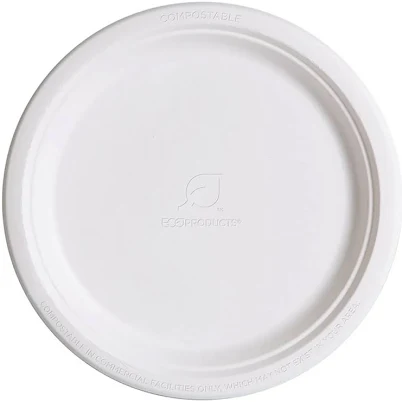
- molded sugarcane fiber (bagasse), uncoated
- A third party reports verifying it as PFAS-free
- Microplastic or fiber fragmentation during heating
2 hazards checked on this product, all on its full breakdown.
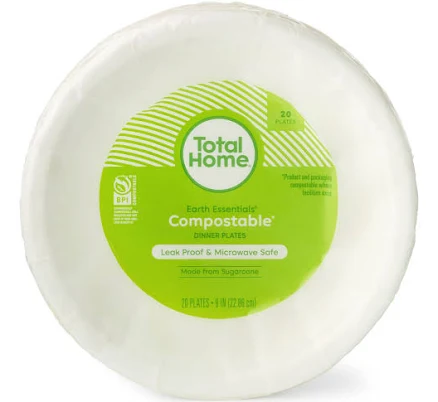
Total Home
Earth Essentials Compostable Dinner Plate
- compostable fiber/plant-based coating
- A third party reports verifying it as PFAS-free
- Coating degradation and leaching under use conditions
2 hazards checked on this product, all on its full breakdown.
- Bamboo fiber composite
- We found no PFAS statement from the brand
- Formaldehyde / VOCs
3 hazards checked on this product, all on its full breakdown.
More disposable plates grades
How we score, every product runs through the same public 0-100 rubric based on materials, coatings, brand disclosure, lab findings, and recalls. See the full methodology → Spotted a mistake? Report an error.