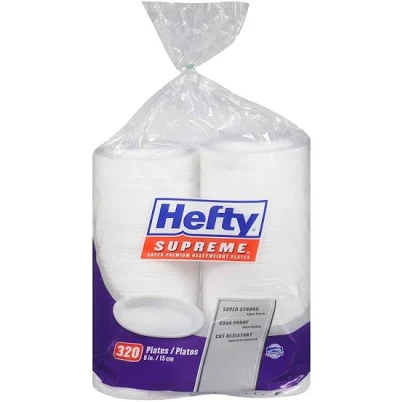
Hefty Supreme Foam Plates 6" 320 Count
Skip if PFAS matters; foam plates with grease barriers often held legacy PFAS, and Hefty stays silent.
Hefty doesn't state anything about PFAS on these foam plates. Foam serviceware with grease barriers historically used PFOA and similar PFAS, with no certification available.
The better-graded swap
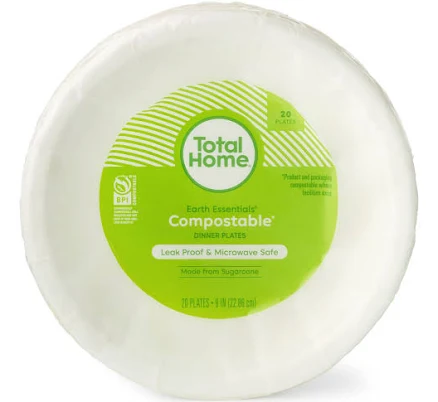
Total Home
Total Home Earth Essentials Compostable Dinner Plate
100/100 safety
Same rubric that flunked this product. The swap earned Excellent.
Still want this one anyway? Check the price on Amazon. We’d swap it.
Material
polystyrene foam with grease-resistant coating
Brand disclosure
Brand is silent on PFAS
Lab data
No public lab test
You may also be interested in
Top-graded picks in the categories readers replace first, every one scored on the same rubric.

- polypropylene filter housing, carbon/sediment cartridge
- We found no PFAS statement from the brand
- Bacterial growth in spent cartridges
3 hazards checked on this product, all on its full breakdown.

Aquasure
Premier Series 75 GPD Under Sink Reverse Osmosis Water Filtration System
- RO membrane, carbon filters, stainless steel housing
- We found no PFAS statement from the brand
- Bacterial and microbial growth in housing and filters
4 hazards checked on this product, all on its full breakdown.

Avocado
Vegan Mattress
- organic cotton, natural latex, coconut coir, recycled steel coils
- The brand calls it PFAS-free, which we have not verified
- Heavy metals
2 hazards checked on this product, all on its full breakdown.
What Hefty Supreme Foam Plates 6" 320 Count is made of, ingredients and materials
Hefty Supreme Foam Plates are expandable polystyrene (EPS) foam with a proprietary grease-resistant coating applied to the surface. The coating's purpose is to prevent oil and moisture from seeping through; this type of water and grease barrier in foam foodware has historically relied on fluorinated compounds (PFAS) to achieve its performance. The foam substrate itself is chemically inert under normal use, but the coating composition and longevity are the primary safety concern for this product.
What’s concerning
Category baseline
The starting point for this type of product, before anything specific to this product is counted.
No PFAS disclosure
No public statement from the brand about PFAS in this product.
Waterproof / stain-resistant treatment
Water-repellent coating treatments have historically used PFAS.
PFAS
Grease-barrier coatings on foam tableware have historically used PFAS such as PFOA or PFOS; Hefty's silence on coating chemistry and lack of PFAS-free claims suggest legacy formulations may still be in use, with potential migration to fatty foods.
Source, ATSDR ↗Polystyrene foam thermal degradation
Polystyrene foam breaks down at temperatures above 160-180°F, especially when in contact with fats or acidic foods, potentially releasing styrene and oligomers; grease-resistant coatings may fail first, accelerating this process.
Coating durability and microparticle shedding
The proprietary grease-resistant coating may flake, chip, or degrade with use or over time; visible coating particles in food are a sign to discontinue use, though submicroscopic coating migration is not quantified for this product.
Uncharacterized additives in foam and coating
Foam and coating formulations often include plasticizers, colorants, and processing aids not disclosed on packaging; without ingredient transparency from Hefty, the full chemical profile and safety of minor components remains unknown.
What’s reassuring
Styrene monomer leaching
Polystyrene can slowly leach small amounts of residual styrene, especially into fatty or hot foods; Hefty foam plates are formulated to minimize this, and no specific recalls or reports document styrene contamination from this product line.
How is this PFAS grade calculated?
The brand's record and disclosure
Hefty, a Pactiv Evergreen brand, has not publicly disclosed the chemical composition of its foam plate coatings or committed to PFAS-free alternatives, despite growing market pressure on competitors. No major safety recalls specifically tied to chemical leaching from Hefty foam plates are on record, and the company does not advertise certifications related to chemical safety or sustainability. The brand's silence on grease-barrier chemistry is notable given that major competitors and some state regulations have begun phasing PFAS from food contact coatings.
How it compares in its category
Disposable foam plates as a category carry inherent environmental and chemical trade-offs. Compared to uncoated foam or plastic plates, the grease-resistant coating adds functionality but introduces unknown chemical risk; compared to coated paper plates or compostable alternatives (which may also contain PFAS), foam's durability and insulation are advantages but its persistence and potential coating leachates are drawbacks. Hefty's market position is budget-friendly but without transparency, making direct safety comparison difficult.
If you buy it
Use these plates only for room-temperature and lukewarm foods (below 140°F); hot foods and especially greasy hot foods may degrade the coating or increase leaching risk. Do not microwave or expose to prolonged heat, as polystyrene foam can warp and the coating stability is unknown at elevated temperatures. Replace plates if you notice coating wear, discoloration, or flaking. Minimize contact with acidic or alcohol-based foods, which can compromise coating integrity; for long-term or frequent use, consider paper or ceramic alternatives.
What is not known about PFAS in this product?
- Basis
- Model estimate, 55% confidence, not a lab result
- Lab test
- None on record for this exact product
- Brand statement
- Hefty has made none
Formulations change between production runs, so check the current label. How we grade.
What are the PFAS-free alternatives to Hefty Supreme Foam Plates 6" 320 Count?
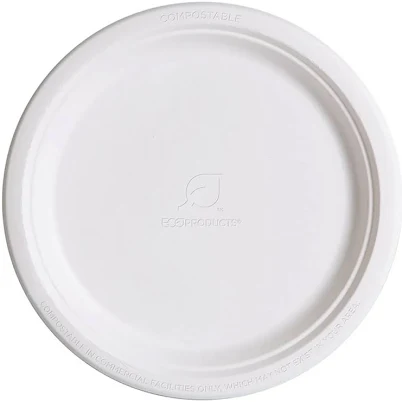
- molded sugarcane fiber (bagasse), uncoated
- A third party reports verifying it as PFAS-free
- Microplastic or fiber fragmentation during heating
2 hazards checked on this product, all on its full breakdown.
Total Home
Earth Essentials Compostable Dinner Plate
- compostable fiber/plant-based coating
- A third party reports verifying it as PFAS-free
- Coating degradation and leaching under use conditions
2 hazards checked on this product, all on its full breakdown.
- Bamboo fiber composite
- We found no PFAS statement from the brand
- Formaldehyde / VOCs
3 hazards checked on this product, all on its full breakdown.
More disposable plates grades
How we score, every product runs through the same public 0-100 rubric based on materials, coatings, brand disclosure, lab findings, and recalls. See the full methodology → Spotted a mistake? Report an error.