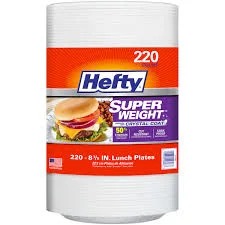
Hefty Super Weight 8 7/8-inch Foam Plate, 220-count
Skip until Hefty confirms PFAS removal; foam plates often had fluorinated grease-resistant layers.
Polystyrene foam plates with an presumed grease-resistant layer for food contact. Hefty won't disclose whether PFAS went into the treatment.
The better-graded swap
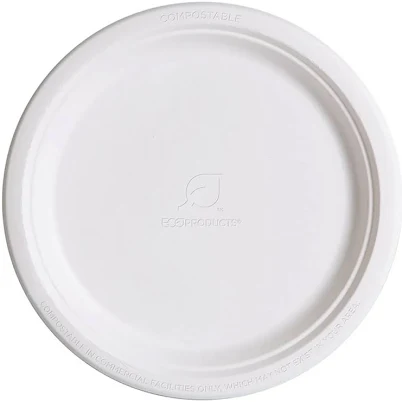
Eco-Products
Eco Products Sugarcane Plates
100/100 safety
Same rubric that flunked this product. The swap earned Excellent.
Still want this one anyway? Check the price on Amazon. We’d swap it.
Material
Expanded polystyrene (EPS) foam, presumed grease-resistant coating
Brand disclosure
Brand is silent on PFAS
Lab data
No public lab test
You may also be interested in
Top-graded picks in the categories readers replace first, every one scored on the same rubric.

- polypropylene filter housing, carbon/sediment cartridge
- We found no PFAS statement from the brand
- Bacterial growth in spent cartridges
3 hazards checked on this product, all on its full breakdown.

Aquasure
Premier Series 75 GPD Under Sink Reverse Osmosis Water Filtration System
- RO membrane, carbon filters, stainless steel housing
- We found no PFAS statement from the brand
- Bacterial and microbial growth in housing and filters
4 hazards checked on this product, all on its full breakdown.

Avocado
Vegan Mattress
- organic cotton, natural latex, coconut coir, recycled steel coils
- The brand calls it PFAS-free, which we have not verified
- Heavy metals
2 hazards checked on this product, all on its full breakdown.
What Hefty Super Weight 8 Plate, 220-count is made of, ingredients and materials
Hefty Super Weight plates are expanded polystyrene (EPS) foam, a lightweight plastic with air pockets that provides insulation and rigidity. The 'grease-resistant' property typically comes from a fluorinated coating applied during manufacturing to repel oils and liquids. EPS itself is chemically stable under normal use, but the grease-resistant layer is where PFAS compounds are most likely present. Once food or heat contacts this coating, migration of fluorinated compounds into greasy foods is the primary concern in this product category.
What’s concerning
Category baseline
The starting point for this type of product, before anything specific to this product is counted.
No PFAS disclosure
No public statement from the brand about PFAS in this product.
Waterproof / stain-resistant treatment
Water-repellent coating treatments have historically used PFAS.
PFAS
EPS foam plates marketed as 'grease-resistant' almost always contain fluorinated coatings; Hefty has not disclosed PFAS-free reformulation. Migration increases with fatty foods and heat.
Source, ATSDR ↗Styrene monomer leaching from EPS
Expanded polystyrene can release small amounts of unreacted styrene, a possible carcinogen, especially when in contact with fatty or warm foods or solvents. Risk is low under normal storage and use but measurable.
Microplastic fragmentation during use and disposal
Foam plates break and shed small particles during handling, transport, and disposal. These particles are lightweight and enter the environment; ingestion risk to humans via food is low but environmental persistence is high.
Thermal degradation if exposed to high heat
Exposure to direct flame, oven heat above 160 F (70 C), or microwave use can soften and degrade EPS, releasing volatile compounds and potentially compromising coating integrity and increasing PFAS migration.
What’s reassuring
Heavy metals
EPS foam and typical manufacturing colorants do not introduce lead, cadmium, or azo dyes. The hazard profile for this product is dominated by coating chemistry, not base plastic.
Source, FDA ↗How is this PFAS grade calculated?
The brand's record and disclosure
Hefty, owned by Reynolds Consumer Products, has not publicly committed to removing PFAS from disposable food-contact products or disclosed testing results for fluorinated coatings. The company has not pursued PFAS-free certifications or published reformulation timelines. No recalls specifically tied to PFAS migration in Hefty foam plates are documented, but this reflects a lack of regulatory testing rather than a clean bill of health. Industry silence on this issue is itself a red flag for consumer choice.
How it compares in its category
Foam plates dominate the disposable market for convenience, but many competitors (including Hefty's own uncoated lines and brands like Chinet, Dixie, and store brands) offer PFAS-free alternatives using bleached wood pulp or uncoated foam. Uncoated foam plates lose grease resistance but eliminate fluorinated chemical exposure. Pulp-based plates are heavier but widely available at similar or lower cost and carry no known PFAS risk. Switching is straightforward with no performance sacrifice for typical dry and low-fat foods.
If you buy it
Avoid using these plates for greasy, fatty, or oily foods (pizza, fried items, dressings) where PFAS migration is most likely. Do not heat food on the plate in a microwave or oven, as warmth accelerates chemical leaching. Store plates in a cool, dry place away from solvents or strong cleaners. Single-use only; do not reuse. If you have young children, pregnant household members, or frequent use of these plates, switching to uncoated pulp plates is the lower-risk choice.
What is not known about PFAS in this product?
- Basis
- Model estimate, 42% confidence, not a lab result
- Lab test
- None on record for this exact product
- Brand statement
- Hefty has made none
Formulations change between production runs, so check the current label. How we grade.
What are the PFAS-free alternatives to Hefty Super Weight 8 7/8-inch Foam Plate, 220-count?
- molded sugarcane fiber (bagasse), uncoated
- A third party reports verifying it as PFAS-free
- Microplastic or fiber fragmentation during heating
2 hazards checked on this product, all on its full breakdown.
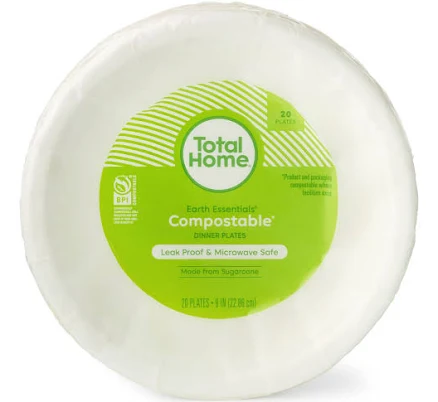
Total Home
Earth Essentials Compostable Dinner Plate
- compostable fiber/plant-based coating
- A third party reports verifying it as PFAS-free
- Coating degradation and leaching under use conditions
2 hazards checked on this product, all on its full breakdown.
- Bamboo fiber composite
- We found no PFAS statement from the brand
- Formaldehyde / VOCs
3 hazards checked on this product, all on its full breakdown.
More disposable plates grades
How we score, every product runs through the same public 0-100 rubric based on materials, coatings, brand disclosure, lab findings, and recalls. See the full methodology → Spotted a mistake? Report an error.