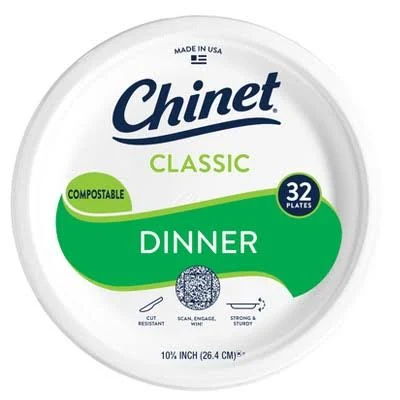
Chinet Classic White Dinner Plates
Moderate PFAS risk likely, but ask Chinet about coating materials.
Made from molded paper fiber, these plates get a coating to repel water and grease, though Chinet won't say what it is. No PFAS-free claim or independent verification exists for the coating.
The better-graded swap
Bambu
Veneerware 9 in Round Bamboo Plates
85/100 safety
Same rubric that flunked this product. The swap earned Excellent.
Still want this one anyway? Check the price on Amazon. We’d swap it.
Material
Molded fiber (bleached kraft pulp) with coating
Brand disclosure
Brand is silent on PFAS
Lab data
No public lab test
You may also be interested in
Top-graded picks in the categories readers replace first, every one scored on the same rubric.

- polypropylene filter housing, carbon/sediment cartridge
- We found no PFAS statement from the brand
- Bacterial growth in spent cartridges
3 hazards checked on this product, all on its full breakdown.

Aquasure
Premier Series 75 GPD Under Sink Reverse Osmosis Water Filtration System
- RO membrane, carbon filters, stainless steel housing
- We found no PFAS statement from the brand
- Bacterial and microbial growth in housing and filters
4 hazards checked on this product, all on its full breakdown.

Avocado
Vegan Mattress
- organic cotton, natural latex, coconut coir, recycled steel coils
- The brand calls it PFAS-free, which we have not verified
- Heavy metals
2 hazards checked on this product, all on its full breakdown.
What Chinet Classic White Dinner Plates is made of, ingredients and materials
Chinet Classic White plates are molded from bleached kraft pulp (virgin wood fiber), which is inherently low in chemical hazards. The coating applied to improve water resistance and whiteness is not fully disclosed by Chinet; manufacturers of molded fiber typically use either polyhydroxyalkanoate (PHA), polylactic acid (PLA), or PFAS-based aqueous coating systems. This coating is critical because uncoated molded fiber absorbs water and oils readily, but the specific formulation here is unknown, creating uncertainty around leaching and chemical migration.
What’s concerning
Category baseline
The starting point for this type of product, before anything specific to this product is counted.
No PFAS disclosure
No public statement from the brand about PFAS in this product.
Waterproof / stain-resistant treatment
Water-repellent coating treatments have historically used PFAS.
PFAS
Molded fiber coatings can migrate into food if formulated with synthetic polymers or plasticizers; Chinet has not disclosed whether their coating contains phthalates, BPA, or other endocrine disruptors. Risk is higher with fatty or acidic foods and elevated temperatures.
Source, ATSDR ↗Microplastic or fiber shedding
Molded fiber products can shed small fibers or particles, especially if the surface coating deteriorates or if the plate is folded, stacked with pressure, or contacted by abrasive utensils. The risk is low for normal use but increases with wear.
Thermal degradation of coating at elevated temperatures
Molded fiber plates are not designed for hot foods or microwave use; coating breakdown can occur above 170°F, potentially releasing polymeric breakdown products or unpolymerized monomers into food.
What’s reassuring
Bleach residues in kraft pulp
Chlorine bleaching of food-contact pulp is regulated under FDA standards, and residual chlorine or chlorine byproducts are typically not detected at harmful levels in finished disposables. No reports of bleach-related contamination in Chinet plates are publicly available.
Ink or pigment migration from printing
Chinet Classic White plates carry minimal printed graphics; FDA-compliant food-contact inks are required, and no reports of ink contamination are on record. Risk is very low for this product's decoration level.
How is this PFAS grade calculated?
The brand's record and disclosure
Huhtamaki (Chinet's parent company) has not published a clear public stance on PFAS use in disposable food ware or provided ingredient transparency for their coating chemistry. No significant recalls or contamination findings specific to Chinet dinner plates have been publicly documented. However, the lack of proactive disclosure about coating materials is a red flag in an industry where PFAS-free alternatives are increasingly available and demanded by retailers and consumers.
How it compares in its category
Molded fiber plates occupy a middle ground in disposables, safer than melamine (which can leach formaldehyde) and safer than some coated paper products if the coating is PFAS-free, but less transparent than brands that certify PFAS-free formulations (e.g., some compostable or bamboo alternatives). Most major disposable plate manufacturers have not yet committed to PFAS elimination, so Chinet is typical in this respect, though not leading in safety communication.
If you buy it
Use for room-temperature and warm (not hot) foods; molded fiber is not rated for temperatures above approximately 160-170°F due to coating and substrate softening. Do not microwave; the coating and fiber may degrade or release compounds into food. Dispose after single use per intended design; reuse is not recommended as wear and breakdown increase leaching risk. If PFAS exposure is a concern for your household, contact Chinet directly to request coating material specifications before committing to regular purchase.
What is not known about PFAS in this product?
- Basis
- Model estimate, 62% confidence, not a lab result
- Lab test
- None on record for this exact product
- Brand statement
- Chinet has made none
Formulations change between production runs, so check the current label. How we grade.
What are the PFAS-free alternatives to Chinet Classic White Dinner Plates?
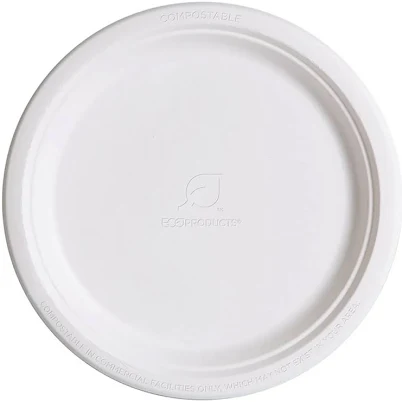
- molded sugarcane fiber (bagasse), uncoated
- A third party reports verifying it as PFAS-free
- Microplastic or fiber fragmentation during heating
2 hazards checked on this product, all on its full breakdown.
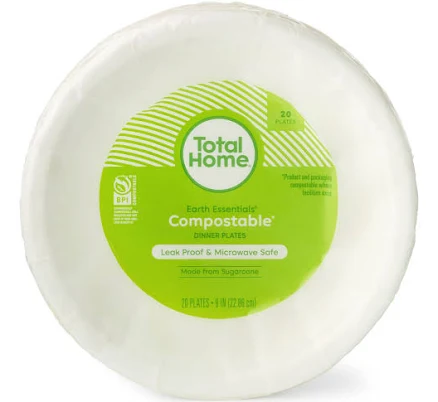
Total Home
Earth Essentials Compostable Dinner Plate
- compostable fiber/plant-based coating
- A third party reports verifying it as PFAS-free
- Coating degradation and leaching under use conditions
2 hazards checked on this product, all on its full breakdown.
- Bamboo fiber composite
- We found no PFAS statement from the brand
- Formaldehyde / VOCs
3 hazards checked on this product, all on its full breakdown.
More disposable plates grades
How we score, every product runs through the same public 0-100 rubric based on materials, coatings, brand disclosure, lab findings, and recalls. See the full methodology → Spotted a mistake? Report an error.