Bounty · Paper Napkins & Paper Towels
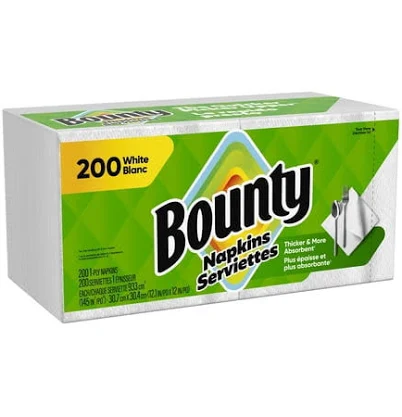
Bounty Paper Napkins, 2-ply napkin - White, 200 Count
Skip until brand discloses coating chemistry. Grease-resistant napkins often use PFAS.
Bounty paper napkins use grease-resistant treatment typical of the category. The brand does not publicly disclose coating composition or PFAS status.
The better-graded swap
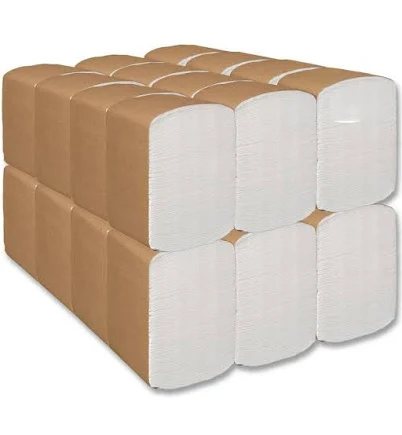
Scott
Scott Full-Fold Dispenser Napkins 1-Ply
70/100 safety
Same rubric that flunked this product. The swap earned Good.
Still want this one anyway? Check the price on Amazon. We’d swap it.
Material
Wood pulp with grease-resistant coating (unspecified fluorochemistry)
Brand disclosure
Brand is silent on PFAS
Lab data
No public lab test
You may also be interested in
Top-graded picks in the categories readers replace first, every one scored on the same rubric.

- polypropylene filter housing, carbon/sediment cartridge
- We found no PFAS statement from the brand
- Bacterial growth in spent cartridges
3 hazards checked on this product, all on its full breakdown.

Aquasure
Premier Series 75 GPD Under Sink Reverse Osmosis Water Filtration System
- RO membrane, carbon filters, stainless steel housing
- We found no PFAS statement from the brand
- Bacterial and microbial growth in housing and filters
4 hazards checked on this product, all on its full breakdown.

Avocado
Vegan Mattress
- organic cotton, natural latex, coconut coir, recycled steel coils
- The brand calls it PFAS-free, which we have not verified
- Heavy metals
2 hazards checked on this product, all on its full breakdown.
What Bounty Paper Napkins, 2-ply napkin Count is made of, ingredients and materials
Bounty 2-ply napkins are wood-pulp paper with a grease-resistant coating applied to the surface. The specific chemistry of this coating is not publicly disclosed by the brand. Grease-resistant treatments in food-contact paper products commonly rely on PFAS "forever chemicals" (PFAS), which migrate into food and resist environmental breakdown. Standard uncoated or wax-coated napkins avoid this concern entirely.
What’s concerning
Category baseline
The starting point for this type of product, before anything specific to this product is counted.
No PFAS disclosure
No public statement from the brand about PFAS in this product.
Waterproof / stain-resistant treatment
Water-repellent coating treatments have historically used PFAS.
PFAS
Unspecified coating chemistry on a grease-resistant food-contact product strongly suggests fluorinated compounds. PFAS bioaccumulates and has been linked to immune and metabolic effects in epidemiological studies.
Source, ATSDR ↗Coating degradation and particulate migration
Paper napkin coatings can chip or degrade with friction, age, or heat exposure, potentially releasing coating particles or residues into food contact. Risk is low for typical room-temperature use but increases with direct contact to hot or fatty foods.
What’s reassuring
Bleach residues and dioxin precursors
No documented recalls or regulatory findings of chlorine-related contaminants in Bounty napkins. Conventional pulp bleaching processes have improved; dioxin risk in food-contact paper is considered minimal under current manufacturing standards.
Ink migration from printing
Bounty white napkins use minimal or no printed patterns on the food-contact surface, reducing ink transfer risk. Soy-based or mineral inks are now standard in the industry.
Bacterial contamination during storage or use
Dry paper products in sealed packaging present negligible microbiological risk under normal household storage. Risk only rises if napkins are exposed to moisture or contact with contaminated surfaces before use.
How is this PFAS grade calculated?
The brand's record and disclosure
Bounty (owned by Procter & Gamble) has not publicly committed to PFAS-free formulations or disclosed the specific chemistry of its grease-resistant coatings. No certifications from third-party organizations (such as those requiring PFAS avoidance) are on record for this product line. P&G has faced pressure on PFAS in other product categories but has not proactively addressed paper napkin and towel coatings in public statements.
How it compares in its category
Most conventional paper napkin brands (Bounty, Scott, Sparkle) rely on fluorochemical coatings for grease resistance and do not disclose formulations. Some independent or eco-focused brands explicitly market PFAS-free or wax-coated alternatives. If PFAS exposure is a concern for your household, uncoated or beeswax-lined napkins (from niche retailers) offer a verifiable alternative, though they sacrifice some grease repellency.
If you buy it
Store napkins in a dry place away from heat or sunlight to prevent coating degradation. Do not use on hot foods or in contact with open flames, as this may increase coating transfer. If PFAS disclosure remains unavailable after brand contact, switching to certified PFAS-free alternatives is the lowest-risk option. Napkins are single-use items; replacement is straightforward and inexpensive compared to durable cookware.
What is not known about PFAS in this product?
- Basis
- Model estimate, 45% confidence, not a lab result
- Lab test
- None on record for this exact product
- Brand statement
- Bounty has made none
Formulations change between production runs, so check the current label. How we grade.
What are the PFAS-free alternatives to Bounty Paper Napkins, 2-ply napkin - White, 200 Count?
- 100% recycled paper
- Trace metals and contaminants from recycled feedstock
2 hazards checked on this product, all on its full breakdown.
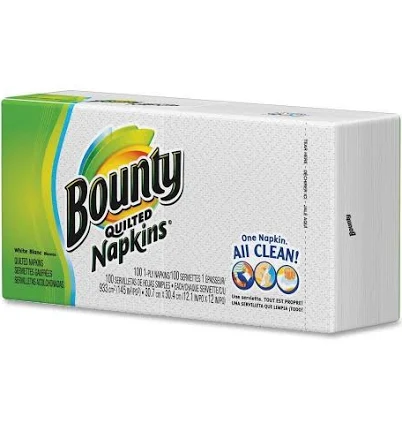
- Virgin wood pulp, 1-ply, no waterproofing layer
- We found no PFAS statement from the brand
- Starting grade for this product type
- Virgin wood pulp, 1-ply paper
- We found no PFAS statement from the brand
- Bleach residues and chlorinated byproducts
2 hazards checked on this product, all on its full breakdown.
More paper napkins & paper towels grades
How we score, every product runs through the same public 0-100 rubric based on materials, coatings, brand disclosure, lab findings, and recalls. See the full methodology → Spotted a mistake? Report an error.