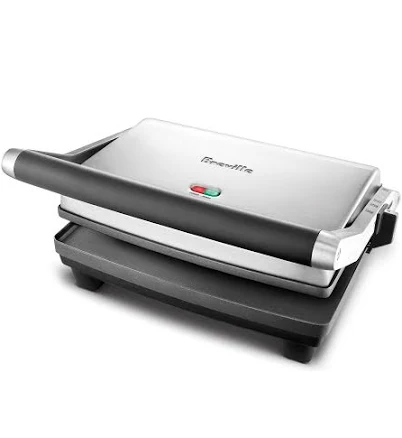
Breville Panini Duo Panini Maker
Skip until Breville discloses coating chemistry, non-stick cookware carries PFAS risk.
The Breville Panini Duo features non-stick cooking plates, but Breville won't disclose the coating material or provide PFAS-free certification. Non-stick cookware commonly uses Teflon-type coating or other Teflon-family coating historically tied to PFAS.
Still want this one anyway? Check the price on Amazon. We’d swap it.
Material
Non-stick coated cooking plates (coating composition undisclosed)
Lab data
No public lab test
You may also be interested in
Top-graded picks in the categories readers replace first, every one scored on the same rubric.

- polypropylene filter housing, carbon/sediment cartridge
- We found no PFAS statement from the brand
- Bacterial growth in spent cartridges
3 hazards checked on this product, all on its full breakdown.

Aquasure
Premier Series 75 GPD Under Sink Reverse Osmosis Water Filtration System
- RO membrane, carbon filters, stainless steel housing
- We found no PFAS statement from the brand
- Bacterial and microbial growth in housing and filters
4 hazards checked on this product, all on its full breakdown.

Avocado
Vegan Mattress
- organic cotton, natural latex, coconut coir, recycled steel coils
- The brand calls it PFAS-free, which we have not verified
- Heavy metals
2 hazards checked on this product, all on its full breakdown.
What Breville Panini Duo Panini Maker is made of, ingredients and materials
The Breville Panini Duo features non-stick coated cooking plates whose exact composition Breville does not publicly disclose. Non-stick coatings on small appliances typically use Teflon-type coating (polytetrafluoroethylene, branded Teflon) or alternative polymers; the specific chemistry here is unknown. The plates heat to temperatures suitable for panini pressing (typically 300-375°F operational range based on product specs), which is below the fume-release threshold for intact Teflon-type coating (around 500°F+), but degradation risk increases if the coating is scratched or overheated.
What’s concerning
Category baseline
The starting point for this type of product, before anything specific to this product is counted.
No PFAS disclosure
No public statement from the brand about PFAS in this product.
Non-stick, chemistry undisclosed
Marketed as non-stick without stating the coating chemistry.
Teflon-type coating fume inhalation risk (if coating contains Teflon-type coating)
If the non-stick coating is Teflon-type coating-based and overheated above 500°F or if the coating is damaged and exposed to high heat, thermal decomposition can produce fumes (polymer fume fever symptoms, fever, chills, respiratory irritation). The Panini Duo's typical operating range is below this threshold, but preheating empty or malfunction could elevate temperature risk.
Coating degradation and particle shedding
Non-stick coatings on small appliances are known to degrade with age and mechanical stress. Flaking or peeling coating particles may be ingested if plates are used beyond visible damage; no specific recalls for Breville Panini Duo exist, but this is a recognized wear-related hazard in the category.
Release of volatile organic compounds (VOCs) during first use and heat cycles
Non-stick appliances often emit minor VOCs (off-gassing) during initial heat-up cycles or when heated to operating temperature. This is typically transient and occurs at low levels but may cause temporary mild odor or respiratory sensitivity in sensitive individuals; adequate ventilation is recommended.
PFAS
Breville's refusal to disclose coating chemistry means PFOA, PFOS, or other PFAS cannot be ruled out. Modern Teflon-type coating coatings often use GenX or other fluorinated alternatives, which carry similar bioaccumulation concerns. Without certification or testing data, PFAS presence cannot be confirmed or excluded for this specific model.
Source, ATSDR ↗What’s reassuring
Aluminum substrate leaching (if applicable)
If the cooking plate substrate is aluminum, intact non-stick coating should prevent direct contact with food. However, if coating is compromised, acidic foods (tomatoes, vinegars) could leach trace aluminum. Breville does not disclose substrate material; this remains a theoretical risk only if coating fails significantly.
How is this PFAS grade calculated?
The brand's record and disclosure
Breville does not publicly disclose the chemical composition of its non-stick coatings or provide PFAS-related certifications. The brand has not published statements on PFOA (perfluorooctanoic acid) phase-out timelines or alternative coating strategies. No major safety recalls or independent testing findings specific to this model have been documented in public records. This silence is typical for the mid-range kitchen appliance market but represents a transparency gap for PFAS-sensitive consumers.
How it compares in its category
Most commercial and consumer panini presses use non-stick coatings; uncoated cast iron or aluminum alternatives are rare in this price segment. Breville's silence on coating chemistry is common among appliance makers but less transparent than premium brands that certify PFOA-free status or disclose material specifications. Some competitors (e.g., certain Cuisinart models) have similarly undisclosed coatings; few panini presses in the sub-$200 range provide third-party certification of non-stick safety.
If you buy it
Use only on medium heat settings to avoid rapid coating degradation; avoid preheating empty for extended periods. Do not use metal utensils or abrasive scrubbers on the plates, as scratching accelerates coating breakdown and potential particle release. Hand-wash the plates gently with soft sponges; dishwasher use is not recommended by Breville and will degrade the coating faster. If plates show visible flaking, discoloration, or peeling after 1-2 years, discontinue use and contact Breville for replacement; continued use of severely damaged non-stick surfaces increases risk of coating particle ingestion.
What is not known about PFAS in this product?
- Basis
- Model estimate, 35% confidence, not a lab result
- Lab test
- None on record for this exact product
- Brand statement
- Breville has made a specific claim
Formulations change between production runs, so check the current label. How we grade.
What are the PFAS-free alternatives to Breville Panini Duo Panini Maker?
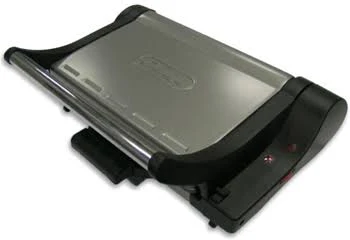
- stainless steel cooking plates
- We found no PFAS statement from the brand
- Thermal burn hazard (housing and handles)
3 hazards checked on this product, all on its full breakdown.
Find an alternative on AmazonMore panini presses grades
How we score, every product runs through the same public 0-100 rubric based on materials, coatings, brand disclosure, lab findings, and recalls. See the full methodology → Spotted a mistake? Report an error.