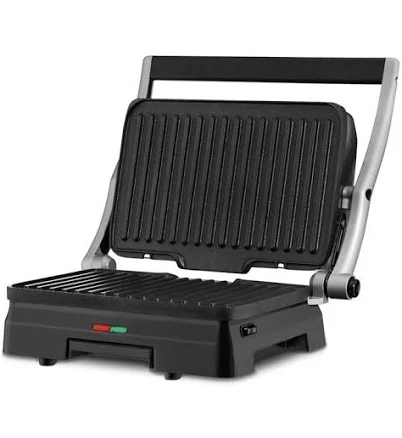
Conair Cuisinart Griddler Grill and Panini Press GR11
Skip until coating details surface, nonstick cookware PFAS risk is real here.
Cuisinart won't publicly specify the nonstick coating chemistry on this griddle model, whether Teflon-type coating, ceramic, or silicone. The GR11's heating surfaces remain a PFAS concern given Teflon-family coating nonsticks' prevalence in griddle design and zero brand transparency.
Still want this one anyway? Check the price on Amazon. We’d swap it.
Material
Nonstick-coated cooking surfaces; coating type unspecified by brand
Lab data
No public lab test
You may also be interested in
Top-graded picks in the categories readers replace first, every one scored on the same rubric.

- polypropylene filter housing, carbon/sediment cartridge
- We found no PFAS statement from the brand
- Bacterial growth in spent cartridges
3 hazards checked on this product, all on its full breakdown.

Aquasure
Premier Series 75 GPD Under Sink Reverse Osmosis Water Filtration System
- RO membrane, carbon filters, stainless steel housing
- We found no PFAS statement from the brand
- Bacterial and microbial growth in housing and filters
4 hazards checked on this product, all on its full breakdown.

Avocado
Vegan Mattress
- organic cotton, natural latex, coconut coir, recycled steel coils
- The brand calls it PFAS-free, which we have not verified
- Heavy metals
2 hazards checked on this product, all on its full breakdown.
What Conair Cuisinart Griddler Grill Press GR11 is made of, ingredients and materials
The Griddler GR11 features nonstick-coated cooking plates, but Cuisinart has not publicly specified whether the coating is Teflon-type coating-based (like Teflon), ceramic, or another formula. This is the critical gap, Teflon-type coating coatings release perfluorinated compounds (PFAS) and can emit toxic fumes above 500°F if damaged. The housing and handles are typically aluminum or stainless steel with rubber feet. Without coating chemistry disclosure, you cannot assess the true chemical risk profile of this appliance.
What’s concerning
Category baseline
The starting point for this type of product, before anything specific to this product is counted.
No PFAS disclosure
No public statement from the brand about PFAS in this product.
Non-stick, chemistry undisclosed
Marketed as non-stick without stating the coating chemistry.
Teflon-type coating fume risk (if coating is Teflon-type coating-based)
Nonstick coating type is unspecified by the brand. If Teflon-type coating is used, heating above 500°F can release perfluorinated compounds and fumes (polymer fume fever). Standard panini pressing operates well below this, but accidental preheating or malfunction could pose risk.
Coating degradation and microparticle release
Nonstick coatings on contact grills degrade over time and with repeated use. Chipping or peeling exposes underlying aluminum or substrate; particles may transfer to food, and the coating material itself is no longer a barrier.
Aluminum leaching (if substrate is exposed)
If the nonstick coating degrades and the underlying aluminum is exposed to acidic or abrasive food contact, aluminum leaching into food is theoretically possible. Risk increases if coating fails and left unrepaired.
Lack of independent safety certification or transparency
No third-party testing, PFAS disclosure, or ceramic/toxicant-free certification available for this model. This is standard for the category but leaves end users unable to verify chemical safety independently.
What’s reassuring
Heating element or electrical hazard (out of scope for chemical analysis)
No specific electrical or burn hazard recalls or reports found for the GR11; standard appliance safety precautions apply (avoid water contact, keep away from children).
How is this PFAS grade calculated?
The brand's record and disclosure
Cuisinart (owned by Conair) does not publicly commit to PFAS-free cookware or provide transparent coating specifications for this model on product pages or safety documentation. The brand has faced no major recalls for this specific unit as of available records, but silence on nonstick coating type is standard industry practice rather than a sign of safety. Cuisinart has not achieved third-party certifications (such as GreenGuard or similar) for this product that would independently verify low-chemical manufacturing.
How it compares in its category
Most panini presses and contact grills in this price range use similar undisclosed nonstick coatings. Ceramic-coated alternatives exist (sometimes marketed as Teflon-type coating-free) but are less common and often have poorer nonstick durability. High-end stainless steel contact grills avoid nonstick coating entirely but require more oil and cleaning effort. This model sits in the middle, convenient and affordable but with opacity on the chemical safety that competitors also typically share.
If you buy it
Never exceed medium-high heat (below 400°F) to minimize any risk of coating breakdown and fume release; most panini pressing does not require high heat. Inspect the cooking surface regularly for chips, scratches, or peeling; discard the appliance if coating visibly degrades. Hand-wash plates with soft sponges and cool water rather than abrasive scrubbing or dishwasher cycles that accelerate wear. Consider contacting Cuisinart directly to request the specific coating type and PFAS status; consumer demand can shift manufacturer transparency practices.
What is not known about PFAS in this product?
- Basis
- Model estimate, 35% confidence, not a lab result
- Lab test
- None on record for this exact product
- Brand statement
- Cuisinart has made a specific claim
Formulations change between production runs, so check the current label. How we grade.
What are the PFAS-free alternatives to Conair Cuisinart Griddler Grill and Panini Press GR11?
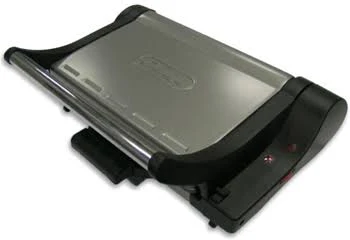
- stainless steel cooking plates
- We found no PFAS statement from the brand
- Thermal burn hazard (housing and handles)
3 hazards checked on this product, all on its full breakdown.
Find an alternative on AmazonMore panini presses grades
How we score, every product runs through the same public 0-100 rubric based on materials, coatings, brand disclosure, lab findings, and recalls. See the full methodology → Spotted a mistake? Report an error.