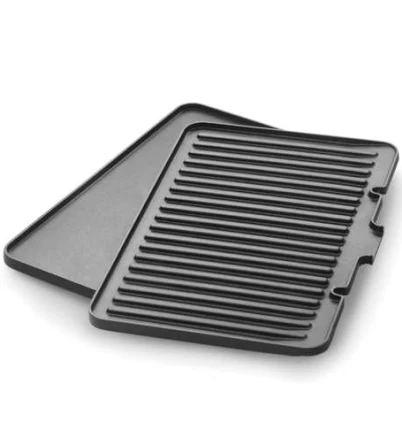
Delonghi Contact Grill Set 1 Grill+1 Griddle 120V Cg - TK1299
Don't buy until Delonghi reveals the nonstick coating material; PFAS risk remains unknown.
The TK1299 has nonstick surfaces, but Delonghi keeps the coating formula secret and offers no PFAS testing or certifications to back up safety.
Still want this one anyway? Check the price on Amazon. We’d swap it.
Material
Non-stick coated cooking surfaces (composition unspecified)
Brand disclosure
Brand is silent on PFAS
Lab data
No public lab test
You may also be interested in
Top-graded picks in the categories readers replace first, every one scored on the same rubric.

- polypropylene filter housing, carbon/sediment cartridge
- We found no PFAS statement from the brand
- Bacterial growth in spent cartridges
3 hazards checked on this product, all on its full breakdown.

Aquasure
Premier Series 75 GPD Under Sink Reverse Osmosis Water Filtration System
- RO membrane, carbon filters, stainless steel housing
- We found no PFAS statement from the brand
- Bacterial and microbial growth in housing and filters
4 hazards checked on this product, all on its full breakdown.

Avocado
Vegan Mattress
- organic cotton, natural latex, coconut coir, recycled steel coils
- The brand calls it PFAS-free, which we have not verified
- Heavy metals
2 hazards checked on this product, all on its full breakdown.
What Delonghi Contact Grill Set 1 TK1299 is made of, ingredients and materials
The Delonghi TK1299 features non-stick coated cooking surfaces on both the contact grill and griddle plates, but the specific coating chemistry is not disclosed in available product documentation or Delonghi's public materials. The substrate appears to be aluminum based on typical contact grill construction. Non-stick coatings can include Teflon-type coating (polytetrafluoroethylene), silicone-based polymers, or ceramic-reinforced alternatives, each with different thermal stability and leaching profiles. Without manufacturer specification, the risk profile cannot be precisely determined.
What’s concerning
Category baseline
The starting point for this type of product, before anything specific to this product is counted.
No PFAS disclosure
No public statement from the brand about PFAS in this product.
Non-stick, chemistry undisclosed
Marketed as non-stick without stating the coating chemistry.
Teflon-type coating thermal degradation and fume release
If the non-stick coating contains Teflon-type coating (unconfirmed), overheating above 500°F can produce perfluorooctanoic acid and other volatile degradation products. Delonghi provides no thermal safety ceiling or material specification to assess this risk.
Aluminum leaching into food
Aluminum substrates can leach when the non-stick barrier is scratched or damaged, particularly under acidic cooking conditions. The aluminum content and coating adhesion quality are not disclosed.
Coating degradation over time
User reviews and complaints across contact grill category consistently document non-stick coating peeling or flaking after 1-3 years of normal use. No Delonghi-specific durability testing is publicly available, but this is a known pattern in budget-to-mid-range models.
Lack of coating composition transparency
Delonghi's silence on whether the coating is Teflon-type coating, ceramic, silicone, or proprietary blend prevents accurate hazard assessment. This absence of disclosure is a regulatory and safety communication failure.
Bacterial growth in crevices if unmaintained
Contact grill plates have crevices and hinge areas where food debris and moisture can accumulate if not thoroughly cleaned and dried after each use, posing minor foodborne pathogen risk.
How is this PFAS grade calculated?
The brand's record and disclosure
Delonghi has not published detailed chemical disclosures for non-stick coatings across its small appliance lines. The company has no publicly documented recalls specifically for PFAS or coating degradation in contact grills. Delonghi maintains general product safety certifications (ETL, CE) but does not appear to have pursued third-party PFAS testing or Greenguard certification for this category. The silence on coating chemistry is a significant transparency gap for a product category where coating integrity directly affects food contact safety.
How it compares in its category
Contact grills from competitors like Breville, Cuisinart, and Hamilton Beach similarly leave non-stick coating specifics opaque in consumer-facing materials, making this a category-wide disclosure problem rather than a Delonghi outlier. Some premium brands now offer ceramic-coated alternatives with published testing, though Delonghi's product line does not appear to include such options. Budget-tier contact grills, including this model, typically do not undergo independent coating durability or leaching testing. The TK1299 occupies a mid-range price point with minimal differentiation in coating safety practices.
If you buy it
Never heat the cooking surfaces above 400°F (204°C) to minimize potential coating degradation and any associated fume release. Inspect the non-stick coating monthly for scratches, peeling, or discoloration; discontinue use if damage is visible. Hand-wash the plates promptly after use with soft sponges; avoid abrasive cleaners and dishwasher cycles that accelerate coating wear. Replace the unit within 3-5 years of regular use if coating integrity becomes questionable, or sooner if surfaces show visible wear.
What is not known about PFAS in this product?
- Basis
- Model estimate, 35% confidence, not a lab result
- Lab test
- None on record for this exact product
- Brand statement
- Delonghi has made none
Formulations change between production runs, so check the current label. How we grade.
What are the PFAS-free alternatives to Delonghi Contact Grill Set 1 Grill+1 Griddle 120V Cg - TK1299?
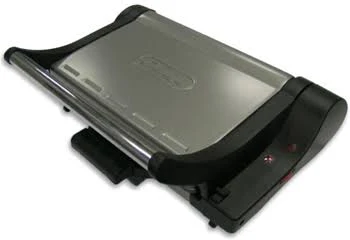
- stainless steel cooking plates
- We found no PFAS statement from the brand
- Thermal burn hazard (housing and handles)
3 hazards checked on this product, all on its full breakdown.
Find an alternative on AmazonMore panini presses grades
How we score, every product runs through the same public 0-100 rubric based on materials, coatings, brand disclosure, lab findings, and recalls. See the full methodology → Spotted a mistake? Report an error.