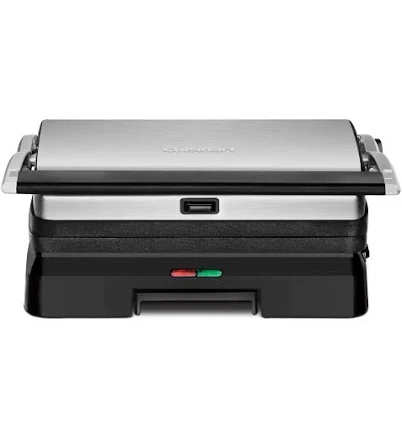
Cuisinart Griddler GR-11NAS Grill and Panini Press
Skip until Cuisinart discloses non-stick coating chemistry.
The Cuisinart GR-11NAS has non-stick cooking surfaces, but the brand provides no public disclosure of the coating material or PFAS status. Without confirmation of PFOA-free or Teflon-type coating-free claims and absent third-party testing, PFAS risk remains unclear.
Still want this one anyway? Check the price on Amazon. We’d swap it.
Material
Non-stick coated cooking plates (type unspecified)
Lab data
No public lab test
You may also be interested in
Top-graded picks in the categories readers replace first, every one scored on the same rubric.

- polypropylene filter housing, carbon/sediment cartridge
- We found no PFAS statement from the brand
- Bacterial growth in spent cartridges
3 hazards checked on this product, all on its full breakdown.

Aquasure
Premier Series 75 GPD Under Sink Reverse Osmosis Water Filtration System
- RO membrane, carbon filters, stainless steel housing
- We found no PFAS statement from the brand
- Bacterial and microbial growth in housing and filters
4 hazards checked on this product, all on its full breakdown.

Avocado
Vegan Mattress
- organic cotton, natural latex, coconut coir, recycled steel coils
- The brand calls it PFAS-free, which we have not verified
- Heavy metals
2 hazards checked on this product, all on its full breakdown.
What Cuisinart Griddler GR-11NAS Panini Press is made of, ingredients and materials
The Cuisinart GR-11NAS features non-stick coated cooking plates, but Cuisinart does not publicly specify whether the coating is Teflon-type coating-based (traditional Teflon), ceramic, or another formulation. The heating element design means plates reach high temperatures during normal use. Without disclosed chemistry, users cannot assess whether the coating will emit fumes if overheated, degrade into food, or shed particles over time.
What’s concerning
Category baseline
The starting point for this type of product, before anything specific to this product is counted.
No PFAS disclosure
No public statement from the brand about PFAS in this product.
Non-stick, chemistry undisclosed
Marketed as non-stick without stating the coating chemistry.
Teflon-type coating thermal decomposition (fume risk)
If the non-stick coating is Teflon-type coating, overheating above 500°F can release perfluorooctanoic acid (PFOA) precursors and other volatile compounds. Cuisinart's silence on coating type means users cannot confirm the heating threshold or confirm the absence of Teflon-type coating.
Coating degradation and particle shedding
All non-stick coatings wear over time. High-use griddle plates experience frequent temperature cycling and mechanical contact; visible peeling or flaking introduces coating particles into food and the kitchen environment.
Aluminum substrate leaching
If the cooking plate is aluminum with a non-stick overlay, damage to or breakdown of the coating exposes aluminum to food acids and high heat, potentially releasing aluminum into cooking surfaces. No public data on substrate composition for this model.
Lack of material disclosure
Cuisinart does not publish the non-stick coating chemistry, type, or thermal safety limits for the GR-11NAS. This absence of transparency is a documented industry gap, making independent risk assessment impossible.
User overheating due to unclear limits
Panini presses and griddles have no universal heating ceiling marked on the unit. Users unfamiliar with non-stick coating safety may exceed safe temperature ranges, accelerating degradation and fume risk.
How is this PFAS grade calculated?
The brand's record and disclosure
Cuisinart has not published detailed material safety data sheets or coating chemistry disclosures for this model. The brand has no documented public statements about PFAS avoidance or alternative non-stick technologies. No major recalls or safety advisories specific to this model are on record, but the lack of transparency is itself a red flag in the non-stick cookware category where coating composition directly affects consumer risk.
How it compares in its category
Panini press and griddle manufacturers typically use Teflon-type coating or proprietary non-stick coatings without detailed disclosure. Cuisinart's silence matches industry norms but stands out negatively against brands offering ceramic alternatives or ceramic-hybrid coatings with published specifications. Competitors like Breville or Oster occasionally provide more detail on coating composition, giving users better informed choices.
If you buy it
Never exceed medium-high heat; Teflon-type coating coatings can degrade and emit fumes above 500°F, and griddles heat rapidly. Ensure kitchen ventilation is open during use. Inspect the cooking surface regularly for peeling, flaking, or discoloration, which signals coating breakdown; discontinue use if visible damage appears. Hand-wash only (do not use abrasive scrubbers or dishwashers), as mechanical damage accelerates coating failure. Replace the unit if coating integrity is compromised.
What is not known about PFAS in this product?
- Basis
- Model estimate, 35% confidence, not a lab result
- Lab test
- None on record for this exact product
- Brand statement
- Cuisinart has made a specific claim
Formulations change between production runs, so check the current label. How we grade.
What are the PFAS-free alternatives to Cuisinart Griddler GR-11NAS Grill and Panini Press?
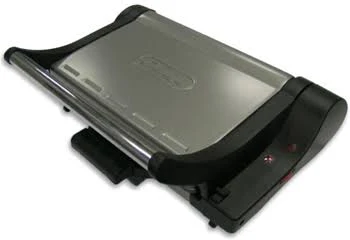
- stainless steel cooking plates
- We found no PFAS statement from the brand
- Thermal burn hazard (housing and handles)
3 hazards checked on this product, all on its full breakdown.
Find an alternative on AmazonMore panini presses grades
How we score, every product runs through the same public 0-100 rubric based on materials, coatings, brand disclosure, lab findings, and recalls. See the full methodology → Spotted a mistake? Report an error.