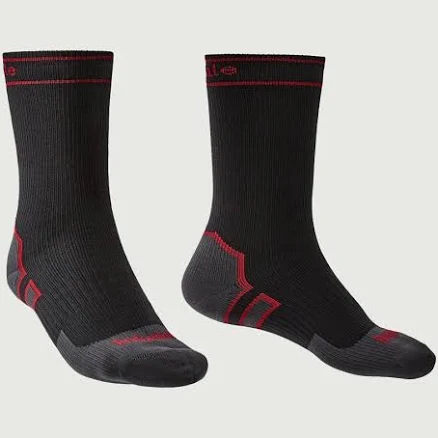
Bridgedale · Waterproof Hiking Socks
Bridgedale Men's StormSock Waterproof Heavyweight Boot Socks
High PFAS risk. Waterproofing likely contains PFAS. No public disclosure or testing available.
Bridgedale StormSock is marketed as waterproof, which typically requires a water-repellent coating historically PFAS-based. The brand doesn't disclose the specific water-repellent coating chemistry or provide PFAS-free claims.
Still want this one anyway? Check the price on Amazon. We’d swap it.
Material
Merino wool blend with water-repellent coating (water-repellent coating) finish
Brand disclosure
Brand is silent on PFAS
Lab data
No public lab test
You may also be interested in
Top-graded picks in the categories readers replace first, every one scored on the same rubric.

- polypropylene filter housing, carbon/sediment cartridge
- We found no PFAS statement from the brand
- Bacterial growth in spent cartridges
3 hazards checked on this product, all on its full breakdown.

Aquasure
Premier Series 75 GPD Under Sink Reverse Osmosis Water Filtration System
- RO membrane, carbon filters, stainless steel housing
- We found no PFAS statement from the brand
- Bacterial and microbial growth in housing and filters
4 hazards checked on this product, all on its full breakdown.

Avocado
Vegan Mattress
- organic cotton, natural latex, coconut coir, recycled steel coils
- The brand calls it PFAS-free, which we have not verified
- Heavy metals
2 hazards checked on this product, all on its full breakdown.
What Bridgedale Men's StormSock Boot Socks is made of, ingredients and materials
Bridgedale StormSock is a Merino wool blend (typically 50-70% Merino, balance synthetic fibers like nylon or polyester) treated with a water-repellent coating (water-repellent coating) finish. Merino wool itself is well-tolerated on skin and naturally moisture-wicking. The water-repellent coating is the chemical concern, waterproofing finishes on textiles have historically relied on fluorinated compounds (PFAS), though some manufacturers now use Teflon-type coating-free alternatives. Bridgedale does not publicly disclose which water-repellent coating chemistry is used in this product.
What’s concerning
Category baseline
The starting point for this type of product, before anything specific to this product is counted.
No PFAS disclosure
No public statement from the brand about PFAS in this product.
Waterproof / stain-resistant treatment
Water-repellent coating treatments have historically used PFAS.
Formaldehyde / VOCs
Polyester or nylon components may contain residual formaldehyde from dyes or finishing agents. Bridgedale does not publish test data for this product; Merino-blend socks from transparent manufacturers typically test negative or at trace levels after washing.
Source, ATSDR ↗Heavy metals
Dark dyes on black or charcoal StormSock variants may include azo compounds or lead/cadmium; no independent testing on record. Merino wool socks from certified low-impact manufacturers generally test clean, but Bridgedale's lack of certification makes this unverified.
Source, FDA ↗Degradation and microfiber shedding during washing
Merino-synthetic blends shed microfibers with repeated washing, particularly if water-repellent coating degrades. Microfiber pollution is an environmental hazard rather than direct consumer risk, but frequent washing accelerates both water-repellent coating loss and fiber release.
PFAS
No independent lab testing of this product is publicly available. Industry standard for waterproof socks assumes fluorinated water-repellent coating; Bridgedale's silence suggests conventional PFAS rather than a marketed alternative, but this is inference based on market practice, not confirmed.
Source, ATSDR ↗What’s reassuring
Antimony in polyester content
Antimony is used as a catalyst in polyester synthesis but is not typically a leaching hazard in finished textiles worn on skin. No evidence of antimony migration in sock products; skin barrier protects against contact.
How is this PFAS grade calculated?
The brand's record and disclosure
Bridgedale (owned by Cascade Designs) has not published a public stance on PFAS elimination or chemical transparency for its sock line. The brand does not appear in major chemical disclosure initiatives (Cradle to Cradle, Bluesign, OEKO-TEX) for this specific product. No recalls or contamination incidents are on record for Bridgedale socks. The lack of transparency on water-repellent coating chemistry is typical of mid-tier outdoor brands but notable given growing consumer and regulatory pressure on waterproof textiles.
How it compares in its category
Waterproof hiking socks occupy a narrow market; most major brands (Smartwool, Darn Tough, Icebreaker) similarly do not disclose water-repellent coating formulation. Premium alternatives like Patagonia and REI Co-op lines have begun moving toward PFAS-free or certified low-fluorine water-repellent coating treatments, though cost is higher. Bridgedale is positioned as quality-focused and mid-range; its silence on water-repellent coating chemistry suggests no proactive shift away from conventional PFAS finishes. Merino content is comparable to competitors.
If you buy it
Wash in cool water and avoid hot dryers, which can degrade both the Merino and water-repellent coating; air dry is best. Replace every 1-2 years of heavy use or when moisture beads no longer form on the surface (sign of water-repellent coating loss). Do not dry-clean or use fabric softeners. If PFAS exposure is a concern, consider requesting product documentation from Bridgedale directly or choosing brands with published PFAS-free waterproofing certifications.
What is not known about PFAS in this product?
- Basis
- Model estimate, 62% confidence, not a lab result
- Lab test
- None on record for this exact product
- Brand statement
- Bridgedale has made none
Formulations change between production runs, so check the current label. How we grade.
What are the PFAS-free alternatives to Bridgedale Men's StormSock Waterproof Heavyweight Boot Socks?
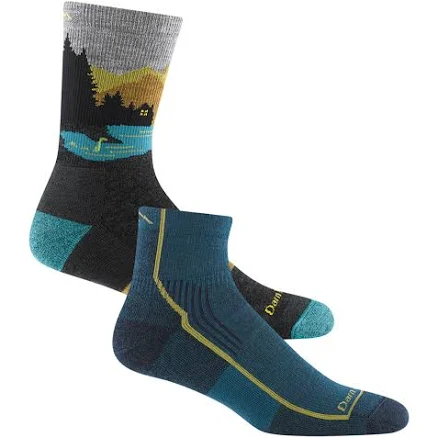
- Merino wool blend, no water-repellent treatment applied
- We found no PFAS statement from the brand
- Antimony in synthetic fibers (nylon reinforcement)
2 hazards checked on this product, all on its full breakdown.
Find an alternative on Amazon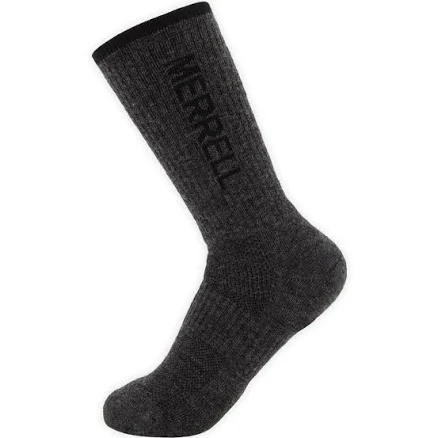
- Merino/premium wool blend, no water-resistant coating mentioned
- We found no PFAS statement from the brand
- Azo dyes (synthetic reinforcement and color)
3 hazards checked on this product, all on its full breakdown.
Find an alternative on Amazon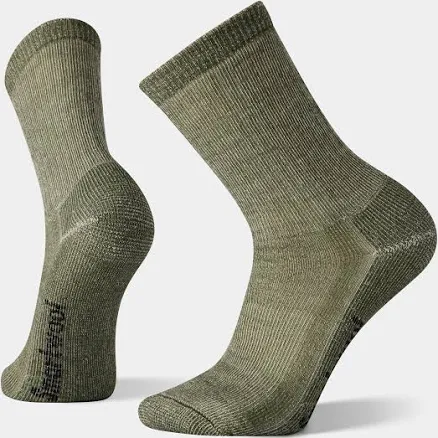
- Merino wool blend (primary fiber); no reported water-repellent coating (water-repellent coating) or stain…
- We found no PFAS statement from the brand
- Formaldehyde / VOCs
2 hazards checked on this product, all on its full breakdown.
Find an alternative on AmazonMore waterproof hiking socks grades
How we score, every product runs through the same public 0-100 rubric based on materials, coatings, brand disclosure, lab findings, and recalls. See the full methodology → Spotted a mistake? Report an error.