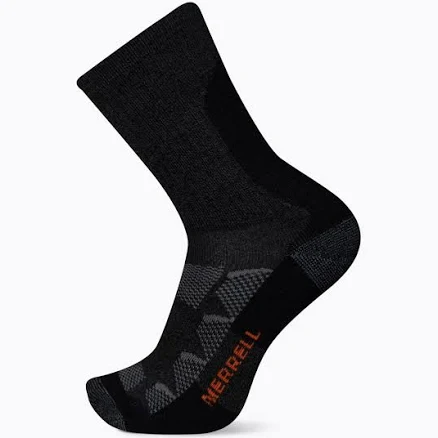
Merrell · Waterproof Hiking Socks
Merrell Moab Hiker Crew Hiking Socks
Lower concern for most wearers, but water-repellent coating treatment chemicals unspecified. Typical for socks but worth noting if you avoid PFAS.
Merrell Moab Hiker Crew socks use a merino wool and synthetic blend with water-repellent coating finishing, standard for hiking socks. Merrell doesn't disclose its water-repellent coating treatment chemistry or claim PFAS-free status.
Still want this one anyway? Check the price on Amazon. We’d swap it.
Material
Merino wool/synthetic blend with water-repellent coating treatment
Brand disclosure
Brand is silent on PFAS
Lab data
No public lab test
You may also be interested in
Top-graded picks in the categories readers replace first, every one scored on the same rubric.

- polypropylene filter housing, carbon/sediment cartridge
- We found no PFAS statement from the brand
- Bacterial growth in spent cartridges
3 hazards checked on this product, all on its full breakdown.

Aquasure
Premier Series 75 GPD Under Sink Reverse Osmosis Water Filtration System
- RO membrane, carbon filters, stainless steel housing
- We found no PFAS statement from the brand
- Bacterial and microbial growth in housing and filters
4 hazards checked on this product, all on its full breakdown.

Avocado
Vegan Mattress
- organic cotton, natural latex, coconut coir, recycled steel coils
- The brand calls it PFAS-free, which we have not verified
- Heavy metals
2 hazards checked on this product, all on its full breakdown.
What Merrell Moab Hiker Crew Hiking Socks is made of, ingredients and materials
Merrell Moab Hiker Crew socks blend merino wool with synthetic fibers (typically nylon and elastane) and apply a water-repellent coating (water-repellent coating) finish to enhance moisture management. Merino wool is naturally antimicrobial and temperature-regulating, reducing need for antimicrobial chemical treatments. The synthetic fibers add durability and stretch; water-repellent coating treatment is applied topically to the outer surface to shed water without waterproofing the sock (which would trap sweat). This combination is standard for performance hiking socks and poses minimal chemical exposure risk to skin.
What’s concerning
Category baseline
The starting point for this type of product, before anything specific to this product is counted.
No PFAS disclosure
No public statement from the brand about PFAS in this product.
Waterproof / stain-resistant treatment
Water-repellent coating treatments have historically used PFAS.
water-repellent coating chemistry (fluorinated or non-fluorinated, unspecified)
Merrell does not disclose whether water-repellent coating uses fluorochemicals (legacy concern for PFAS) or modern alternatives. Topical application to socks poses minimal skin absorption risk unless the coating flakes and is ingested, but chemical identity remains opaque.
Contact dermatitis or sensitization from residual dyes or finishes
Individual reactions to dyes or finish chemicals are rare but reported anecdotally in outdoor sock forums. Pre-washing before first wear is standard practice to remove surface residues and minimize irritation risk.
What’s reassuring
Synthetic fibers (nylon, elastane) degradation under heat
No specific hazard reported for Merrell Moab socks. Nylon and elastane are stable at normal washing and body temperatures; risk emerges only if dried on high heat (above 60C/140F), which can release VOCs and degrade fibers.
Formaldehyde / VOCs
No complaints, recalls, or independent testing failures for Merrell hiking socks on record. Standard industry practice would exclude restricted azo dyes, but lack of certification means no third-party verification.
Source, ATSDR ↗Antimony in polyester (if present)
This product is primarily merino wool and nylon, not polyester, so antimony catalyst residues are not a likely concern. Risk applies more to 100% synthetic hiking socks.
How is this PFAS grade calculated?
The brand's record and disclosure
Merrell (owned by Wolverine World Wide) does not publicly disclose the specific water-repellent coating chemistry used in this sock, nor does the company maintain a published PFAS-free commitment. Wolverine has faced PFAS litigation related to manufacturing sites and groundwater contamination, though no product-specific recalls or bans have been issued for Merrell socks. The brand does not seek bluesign or OEKO-TEX certification for this model, limiting independent verification of chemical content. No formaldehyde or azo-dye complaints are on record for Merrell hiking socks.
How it compares in its category
Merino wool socks with water-repellent coating treatment are mainstream in the hiking category; Darn Tough, SmartWool, and Bridgedale use similar constructions. Merrell's lack of transparency on water-repellent coating chemistry is typical for the price point (budget to mid-range) but less rigorous than brands pursuing bluesign or GOTS certification. If PFAS-minimization is a priority, switching to non-water-repellent coating merino blends or seeking certified alternatives (e.g., SmartWool with 3rd-party testing transparency) would reduce uncertainty, though performance tradeoffs exist.
If you buy it
Wash in cool water with mild detergent to preserve water-repellent coating longevity; avoid fabric softeners and high heat, which degrade water repellency and can compromise elastane elasticity. water-repellent coating will diminish after 20-30 wash cycles depending on water hardness; reapplication with commercial water-repellent coating wash-in products is possible but not required for hiking use. Replace socks if elastic loses grip, seams fray, or moisture-wicking noticeably declines. Do not tumble-dry on high heat; air dry or low heat to preserve fiber integrity.
What is not known about PFAS in this product?
- Basis
- Model estimate, 58% confidence, not a lab result
- Lab test
- None on record for this exact product
- Brand statement
- Merrell has made none
Formulations change between production runs, so check the current label. How we grade.
What are the PFAS-free alternatives to Merrell Moab Hiker Crew Hiking Socks?
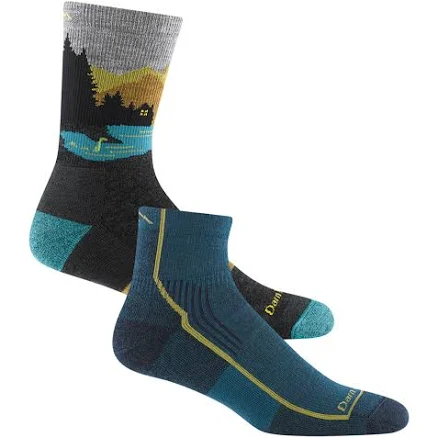
- Merino wool blend, no water-repellent treatment applied
- We found no PFAS statement from the brand
- Antimony in synthetic fibers (nylon reinforcement)
2 hazards checked on this product, all on its full breakdown.
Find an alternative on Amazon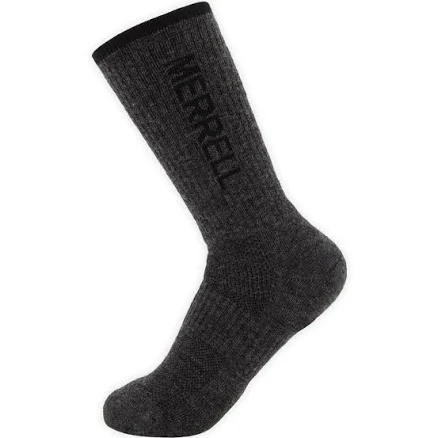
- Merino/premium wool blend, no water-resistant coating mentioned
- We found no PFAS statement from the brand
- Azo dyes (synthetic reinforcement and color)
3 hazards checked on this product, all on its full breakdown.
Find an alternative on Amazon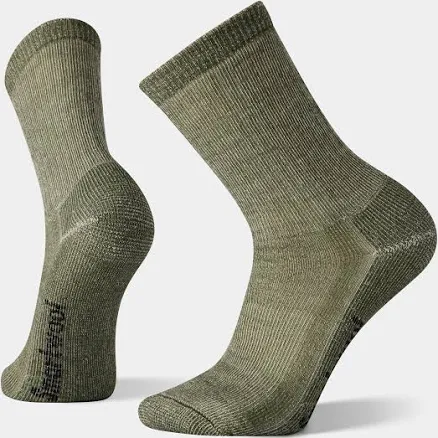
- Merino wool blend (primary fiber); no reported water-repellent coating (water-repellent coating) or stain…
- We found no PFAS statement from the brand
- Formaldehyde / VOCs
2 hazards checked on this product, all on its full breakdown.
Find an alternative on AmazonMore waterproof hiking socks grades
How we score, every product runs through the same public 0-100 rubric based on materials, coatings, brand disclosure, lab findings, and recalls. See the full methodology → Spotted a mistake? Report an error.