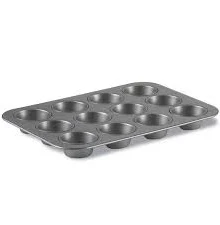
Calphalon Gourmet Hard-Anodized Nonstick 24-Cup Mini Muffin Pan, Is It Non-Toxic?
Skip or contact Calphalon about nonstick coating chemistry before purchasing.
Calphalon does not specify whether the nonstick coating on this hard-anodized aluminum pan uses PFAS chemicals. The brand has not published PFAS-free claims or third-party verification.
The better-graded swap
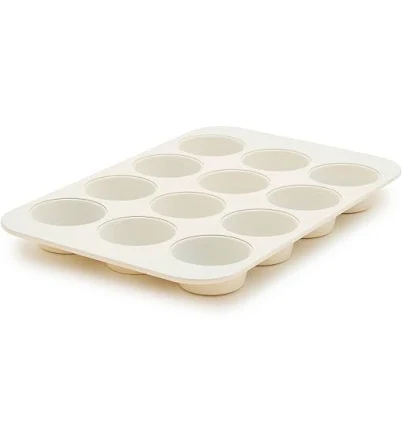
GreenPan
GreenPan Reserve Bakeware 12-Cup Muffin Pan
70/100 safety
Same rubric that flunked this product. The swap earned Good.
Still want this one anyway? Check the price on Amazon. We’d swap it.
Material
Hard-anodized aluminum with proprietary nonstick coating
Lab data
No public lab test
You may also be interested in
Top-graded picks in the categories readers replace first, every one scored on the same rubric.

- polypropylene filter housing, carbon/sediment cartridge
- We found no PFAS statement from the brand
- Bacterial growth in spent cartridges
3 hazards checked on this product, all on its full breakdown.

Aquasure
Premier Series 75 GPD Under Sink Reverse Osmosis Water Filtration System
- RO membrane, carbon filters, stainless steel housing
- We found no PFAS statement from the brand
- Bacterial and microbial growth in housing and filters
4 hazards checked on this product, all on its full breakdown.

Avocado
Vegan Mattress
- organic cotton, natural latex, coconut coir, recycled steel coils
- The brand calls it PFAS-free, which we have not verified
- Heavy metals
2 hazards checked on this product, all on its full breakdown.
Is Calphalon Gourmet Mini Muffin Pan non-toxic? What it is made of
This pan is hard-anodized aluminum with a proprietary nonstick coating applied on top. Hard anodization creates a sealed oxide layer that resists corrosion and wear better than standard aluminum, reducing leaching risk under normal use. The nonstick coating itself is the critical unknown, Calphalon has not publicly disclosed whether this specific product uses Teflon-type coating (Teflon), Teflon-type coating-free alternatives, or another chemistry, which matters because Teflon-type coating can emit fumes if overheated and some alternatives have limited safety data.
What’s concerning
Category baseline
The starting point for this type of product, before anything specific to this product is counted.
No PFAS disclosure
No public statement from the brand about PFAS in this product.
Non-stick, chemistry undisclosed
Marketed as non-stick without stating the coating chemistry.
Aluminum leaching
Hard anodization significantly reduces aluminum migration compared to bare aluminum, but the nonstick coating's integrity is critical. Scratches or coating breakdown could expose underlying aluminum to acidic batter; risk remains low under normal use but increases with age and damage.
Nonstick coating degradation
Hard-anodized nonstick coatings can flake, peel, or lose effectiveness over 2-5 years of use depending on care. Calphalon's specific coating longevity is not exceptional; user reviews document gradual stickiness loss. Ingestion of small coating flakes is considered low-risk by FDA but degradation itself is cosmetic and functional problem.
Teflon-type coating fume risk from overheating
If this pan uses Teflon-type coating-based nonstick (unconfirmed), heating above 500F can initiate polymer off-gassing. Calphalon specifies 500F max, but user error or oven variance could trigger exposure. Risk is conditional on coating type and temperature compliance.
What’s reassuring
Metal leaching from coating defects
No documented cases of iron, nickel, or other contaminants from Calphalon hard-anodized muffin pans. However, if nonstick layer is compromised, underlying aluminum alloy composition becomes relevant; Calphalon does not disclose alloy details publicly.
Thermal conductivity-related hot spots
Aluminum conducts heat unevenly in thin muffin pans, which can cause burning on some cups. This is a performance issue rather than a safety hazard but may lead to burnt food consumption.
How is this PFAS grade calculated?
The brand's record and disclosure
Calphalon (owned by Groupe SEB) has maintained silence on PFAS content in this product line and does not voluntarily disclose nonstick chemistry on product pages. The brand has faced no major recalls specifically for this muffin pan, and hard-anodized lines are generally considered lower-risk than traditional nonstick cookware. However, the lack of transparency on coating composition is a red flag for informed purchasing, especially given consumer demand for cookware with lower concern nonstick coatings.
How it compares in its category
Muffin pans with hard-anodized aluminum construction occupy the mid-range between bare steel (not a material linked to PFAS, stickier) and traditional Teflon-type coating nonstick (convenient, PFAS uncertain). Calphalon's offering is typical for its price tier but lacks the certification or transparency of premium ceramic or cast-iron alternatives. Most competitors in the hard-anodized segment similarly withhold nonstick chemistry details, making this product neither distinctly lower concern nor higher concern than peers.
If you buy it
Keep heat below 500F (manufacturer spec) to avoid potential coating degradation or fume release from unknown nonstick chemistry. Hand wash only; dishwashers can accelerate coating wear. Inspect the surface quarterly for scratches, discoloration, or peeling; replace if coating shows significant damage. Do not use metal utensils or abrasive scrubbers, and avoid thermal shock (hot pan + cold water). Contact Calphalon directly before purchase if PFAS-free certification is a dealbreaker for you.
What is not known about PFAS in this product?
- Basis
- Model estimate, 45% confidence, not a lab result
- Lab test
- None on record for this exact product
- Brand statement
- Calphalon has made a specific claim
Formulations change between production runs, so check the current label. How we grade.
What are the PFAS-free alternatives to Calphalon Gourmet Hard-Anodized Nonstick 24-Cup Mini Muffin Pan?
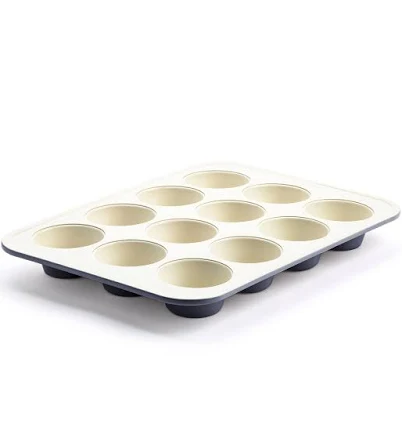
- Ceramic non-stick coating (proprietary GreenPan Thermolon)
- The brand calls it PFAS-free, which we have not verified
- Ceramic coating degradation and particle ingestion
3 hazards checked on this product, all on its full breakdown.
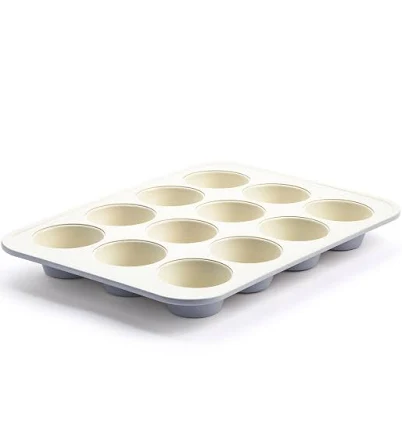
- Ceramic nonstick coating (proprietary blend)
- The brand calls it PFAS-free, which we have not verified
- Ceramic coating degradation and substrate exposure
2 hazards checked on this product, all on its full breakdown.
- Hard-anodized aluminum with proprietary thermolon nonstick coating
- The brand calls it PFAS-free, which we have not verified
- Aluminum leaching
4 hazards checked on this product, all on its full breakdown.
More muffin tins grades
How we score, every product runs through the same public 0-100 rubric based on materials, coatings, brand disclosure, lab findings, and recalls. See the full methodology → Spotted a mistake? Report an error.