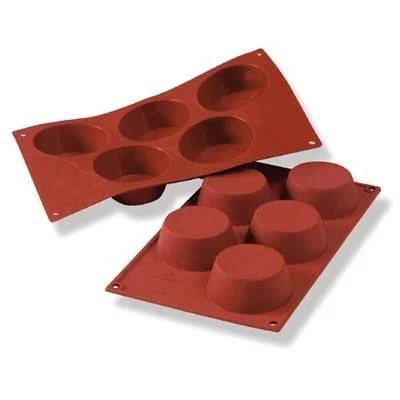
Silikomart Muffin Baking Mold, Is It Non-Toxic?
Lower concern; silicone-only bakeware typically avoids PFAS, but brand offers no transparency.
Silicone baking molds require no water-repellent or stain-resistant chemical treatments to function. Silikomart does not explicitly confirm absence of PFAS in manufacturing or additives.
The better-graded swap
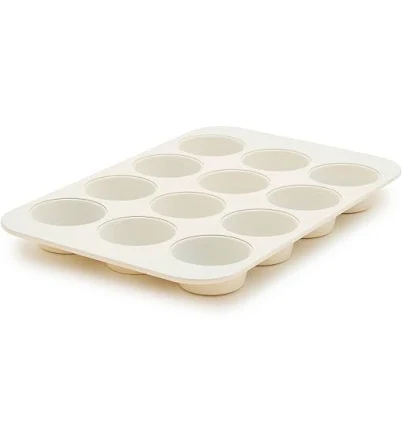
GreenPan
GreenPan Reserve Bakeware 12-Cup Muffin Pan
70/100 safety
Same rubric that flunked this product. The swap earned Good.
Still want this one anyway? Check the price on Amazon. We’d swap it.
Material
Silicone (uncoated)
Brand disclosure
Brand is silent on PFAS
Lab data
No public lab test
You may also be interested in
Top-graded picks in the categories readers replace first, every one scored on the same rubric.

- polypropylene filter housing, carbon/sediment cartridge
- We found no PFAS statement from the brand
- Bacterial growth in spent cartridges
3 hazards checked on this product, all on its full breakdown.

Aquasure
Premier Series 75 GPD Under Sink Reverse Osmosis Water Filtration System
- RO membrane, carbon filters, stainless steel housing
- We found no PFAS statement from the brand
- Bacterial and microbial growth in housing and filters
4 hazards checked on this product, all on its full breakdown.

Avocado
Vegan Mattress
- organic cotton, natural latex, coconut coir, recycled steel coils
- The brand calls it PFAS-free, which we have not verified
- Heavy metals
2 hazards checked on this product, all on its full breakdown.
Is Silikomart Muffin Baking Mold non-toxic? What it is made of
This product is food-grade silicone, a synthetic rubber polymer that does not leach metals, BPA, or phthalates under normal baking conditions. Silicone is chemically inert at typical oven temperatures (up to 230-260°C / 450-500°F) and does not degrade into microplastics or toxic fumes when used as directed. Unlike metal bakeware with ceramic or non-stick coatings, silicone molds eliminate risks of lead-contaminated glazes, Teflon-type coating degradation, and aluminum leaching into food.
What’s concerning
Category baseline
The starting point for this type of product, before anything specific to this product is counted.
No PFAS disclosure
No public statement from the brand about PFAS in this product.
Silicone degradation and microcracking
Prolonged exposure to high heat (above 260°C), abrasive cleaning, or contact with certain oils can cause surface cracking or softening over 2-5 years of regular use. While degraded silicone itself is not acutely toxic, visible damage is a signal to replace the mold to avoid potential fibers in food.
Oligomer leaching from low-quality silicone
Unverified silicone sources may contain trace cyclic oligomers (siloxanes) that could leach into fatty foods when heated; established food-grade silicone suppliers minimize this risk substantially. The absence of third-party certification for this brand makes the purity difficult to verify independently.
Mold and bacterial growth if not dried
Silicone's texture can trap moisture in crevices; if stored damp or not dried thoroughly after washing, bacterial or mold colonies may develop. This is a use/storage hazard rather than a material hazard, managed by proper drying and storage protocols.
What’s reassuring
Base material not linked to PFAS
The main material recorded for this product is not one associated with PFAS.
Lead
No recalls or documented cases of heavy-metal contamination in food-grade silicone molds from this brand have been identified. Most food-grade silicone uses approved colorants, but unverified production sources carry theoretical risk; not established as a problem for Silikomart/Silicone King products.
Source, ATSDR ↗Formaldehyde / VOCs
Cured silicone does not typically off-gas formaldehyde or industrial VOCs. If a new mold smells strongly of chemical odor, brief pre-heating or airing may reduce any residual volatile compounds from manufacturing, but this is not a documented safety issue for this product category.
Source, ATSDR ↗How is this PFAS grade calculated?
The brand's record and disclosure
Silicone King (Silikomart's parent brand line) does not publish detailed material safety data sheets, certifications (FDA, LFGB, or independent testing), or manufacturing transparency on this product. The brand has no recorded safety recalls or major controversies in consumer safety databases, but the lack of proactive disclosure about sourcing and testing standards is notable. No third-party certifications (e.g., BPA-free verification) are prominently advertised, leaving buyers to rely on material type alone.
How it compares in its category
Silicone molds are lower concern relative to ceramic-coated steel molds, traditional non-stick pans, or glazed ceramic muffin tins, all of which carry documented risks of contaminants. Standard metal muffin tins offer durability advantages but require inspection for enamel damage and leaching; silicone is more forgiving in this regard. This product trades some thermal conductivity and durability for chemical safety, making it a reasonable middle ground for consumers prioritizing food contact safety.
If you buy it
Use the mold only within manufacturer temperature limits (typically 230°C / 450°F maximum; verify your package). Hand wash or use gentle machine cycles to avoid abrasion and microcracking, which can shorten lifespan or create surface degradation. Replace if visible tears, pitting, or permanent discoloration appears. Store in a cool, dry location away from sunlight to slow silicone degradation; avoid prolonged contact with very hot oils or prolonged heating above rated temperatures.
What is not known about PFAS in this product?
- Basis
- Model estimate, 78% confidence, not a lab result
- Lab test
- None on record for this exact product
- Brand statement
- Silikomart has made none
Formulations change between production runs, so check the current label. How we grade.
What are the PFAS-free alternatives to Silikomart Muffin Baking Mold?
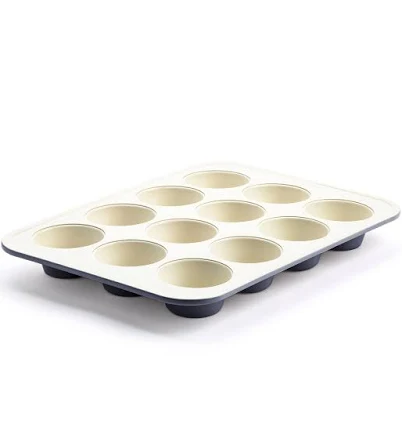
- Ceramic non-stick coating (proprietary GreenPan Thermolon)
- The brand calls it PFAS-free, which we have not verified
- Ceramic coating degradation and particle ingestion
3 hazards checked on this product, all on its full breakdown.
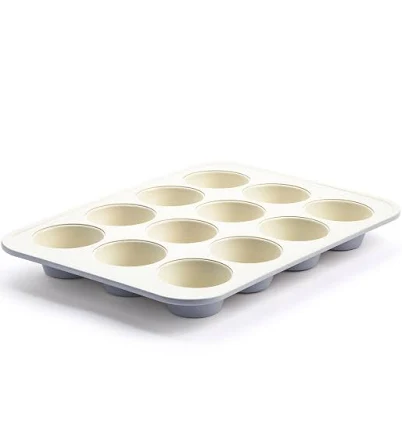
- Ceramic nonstick coating (proprietary blend)
- The brand calls it PFAS-free, which we have not verified
- Ceramic coating degradation and substrate exposure
2 hazards checked on this product, all on its full breakdown.
- Hard-anodized aluminum with proprietary thermolon nonstick coating
- The brand calls it PFAS-free, which we have not verified
- Aluminum leaching
4 hazards checked on this product, all on its full breakdown.
More muffin tins grades
How we score, every product runs through the same public 0-100 rubric based on materials, coatings, brand disclosure, lab findings, and recalls. See the full methodology → Spotted a mistake? Report an error.