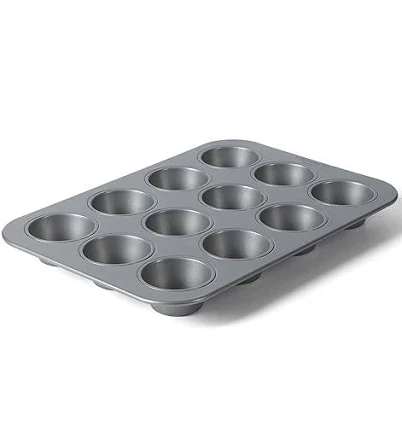
Calphalon Kitchen Essentials 12-Cup Cupcake Pan, Is It Non-Toxic?
Skip unless Calphalon explicitly confirms PFAS-free nonstick formula.
The hard-anodized aluminum pan has a nonstick coating of undisclosed chemistry. Calphalon has not issued a PFAS-free commitment or pursued third-party verification for this line.
The better-graded swap
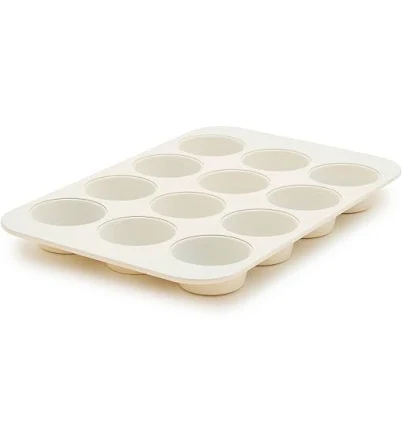
GreenPan
GreenPan Reserve Bakeware 12-Cup Muffin Pan
70/100 safety
Same rubric that flunked this product. The swap earned Good.
Still want this one anyway? Check the price on Amazon. We’d swap it.
Material
hard-anodized aluminum with nonstick coating (type unspecified)
Lab data
No public lab test
You may also be interested in
Top-graded picks in the categories readers replace first, every one scored on the same rubric.

- polypropylene filter housing, carbon/sediment cartridge
- We found no PFAS statement from the brand
- Bacterial growth in spent cartridges
3 hazards checked on this product, all on its full breakdown.

Aquasure
Premier Series 75 GPD Under Sink Reverse Osmosis Water Filtration System
- RO membrane, carbon filters, stainless steel housing
- We found no PFAS statement from the brand
- Bacterial and microbial growth in housing and filters
4 hazards checked on this product, all on its full breakdown.

Avocado
Vegan Mattress
- organic cotton, natural latex, coconut coir, recycled steel coils
- The brand calls it PFAS-free, which we have not verified
- Heavy metals
2 hazards checked on this product, all on its full breakdown.
Is Calphalon Kitchen Essentials Cupcake Pan non-toxic? What it is made of
This pan is hard-anodized aluminum with an applied nonstick coating of unknown composition. Hard-anodizing creates a dense oxide layer that normally prevents aluminum leaching into food, which is the primary safety advantage over bare aluminum. However, the nonstick coating type (Teflon-type coating-based, Teflon-type coating-free ceramic, or proprietary formula) is not disclosed on most product listings, making it impossible to assess Teflon-type coating off-gassing risk or coating durability without direct manufacturer contact.
What’s concerning
Category baseline
The starting point for this type of product, before anything specific to this product is counted.
No PFAS disclosure
No public statement from the brand about PFAS in this product.
Non-stick, chemistry undisclosed
Marketed as non-stick without stating the coating chemistry.
Nonstick coating degradation and particulate shedding
Unknown nonstick formulation means durability and failure mode are not predictable. If the coating flakes or peels over time, small particles may end up in baked goods, particularly if mechanical damage occurs during washing or use.
Aluminum leaching through coating defects
Hard-anodizing provides a protective barrier, but once the nonstick coating is breached or severely worn, the underlying aluminum can contact acidic batters or fillings. Cupcake batters with lemon, buttermilk, or chocolate (mildly acidic) could increase leaching risk if the coating is compromised.
Teflon-type coating fume release at high temperature
If the nonstick coating is Teflon-type coating-based (not confirmed), exposure to temperatures above typical use limits (typically 500F+) during accidental preheating or high oven settings could release polymer fumes. Home oven temperatures rarely exceed 500F, but prolonged or repeated high-heat use poses an unquantified risk.
PFAS
Calphalon has not disclosed nonstick chemistry for the Kitchen Essentials line, preventing consumer assessment of PFAS exposure. This silence itself is a known industry practice gap; competitors with PFAS-free claims offer greater assurance, even if not independently verified.
Source, ATSDR ↗What’s reassuring
Lead
No recalls or reports of heavy metal contamination in Calphalon hard-anodized cookware are documented. Hard-anodized aluminum is produced under industrial standards that typically exclude lead and cadmium, but independent testing of this specific product has not been published.
Source, ATSDR ↗How is this PFAS grade calculated?
The brand's record and disclosure
Calphalon (owned by Groupe SEB) has not publicly committed to PFAS-free nonstick formulas or published ingredient disclosures for individual products. The company does not prominently advertise PFAS-free status for standard cookware lines like Kitchen Essentials. No major recalls or safety violations specific to this product line are on record, but the absence of transparency about nonstick chemistry is a notable gap compared to competitors who explicitly label Teflon-type coating-free or PFOA-free formulations.
How it compares in its category
Muffin and cupcake pans in this price range often use either Teflon-type coating-based nonstick (older standard, lower cost) or ceramic-reinforced nonstick coatings. Calphalon's Kitchen Essentials line occupies the budget-to-mid segment; higher-end brands like Le Creuset or Staub typically disclose coating chemistry, while budget alternatives sometimes offer unlabeled coatings as well. Hard-anodized aluminum construction is common and the coating presents lower concern if it remains intact.
If you buy it
Hand wash only; do not use abrasive scrubbers or high-heat oven settings above 350F to avoid accelerating coating wear. Replace the pan if the nonstick surface begins to flake, peel, or show visible damage, as a degraded coating may release particulates into baked goods. Before purchase, contact Calphalon directly to confirm whether the nonstick formula contains Teflon-type coating or PFAS compounds; if they decline to answer, consider alternatives with explicit PFAS-free labeling. Avoid preheating empty or use low to medium heat to reduce stress on the coating.
What is not known about PFAS in this product?
- Basis
- Model estimate, 45% confidence, not a lab result
- Lab test
- None on record for this exact product
- Brand statement
- Calphalon has made a specific claim
Formulations change between production runs, so check the current label. How we grade.
What are the PFAS-free alternatives to Calphalon Kitchen Essentials 12-Cup Cupcake Pan?
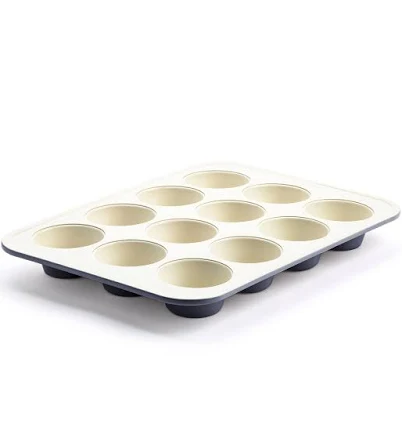
- Ceramic non-stick coating (proprietary GreenPan Thermolon)
- The brand calls it PFAS-free, which we have not verified
- Ceramic coating degradation and particle ingestion
3 hazards checked on this product, all on its full breakdown.
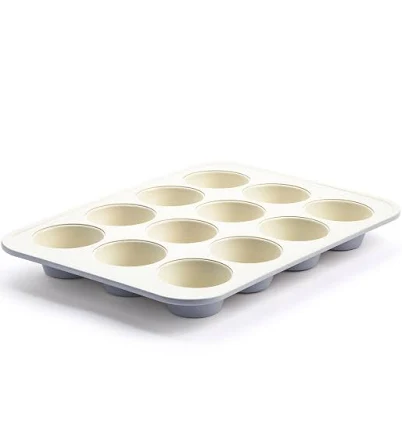
- Ceramic nonstick coating (proprietary blend)
- The brand calls it PFAS-free, which we have not verified
- Ceramic coating degradation and substrate exposure
2 hazards checked on this product, all on its full breakdown.
- Hard-anodized aluminum with proprietary thermolon nonstick coating
- The brand calls it PFAS-free, which we have not verified
- Aluminum leaching
4 hazards checked on this product, all on its full breakdown.
More muffin tins grades
How we score, every product runs through the same public 0-100 rubric based on materials, coatings, brand disclosure, lab findings, and recalls. See the full methodology → Spotted a mistake? Report an error.