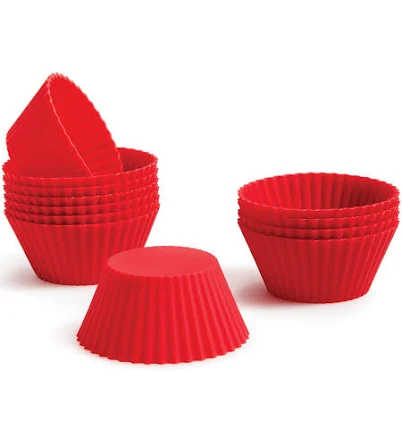
King Arthur Baking · Muffin Tins
King Arthur Baking Company Silicone Muffin Cups, Are They Non-Toxic?
Lower PFAS concern; pure silicone cups present minimal risk, though brand lacks transparency.
Silicone muffin cups lack Teflon-family coating or Teflon-type coating coatings and pose lower PFAS risk than nonstick-coated cookware. King Arthur provides no explicit PFAS disclosure or claims.
The better-graded swap
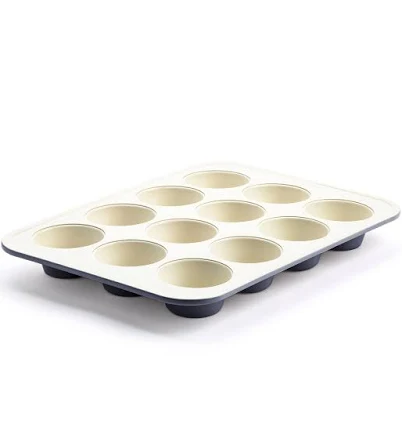
GreenPan
GreenLife 12 Cup Ceramic Non-Stick Muffin Pan
70/100 safety
Same rubric that flunked this product. The swap earned Good.
Still want this one anyway? Check the price on Amazon. We’d swap it.
Material
Silicone (no Teflon-family coating or Teflon-type coating)
Brand disclosure
Brand is silent on PFAS
Lab data
No public lab test
You may also be interested in
Top-graded picks in the categories readers replace first, every one scored on the same rubric.

- polypropylene filter housing, carbon/sediment cartridge
- We found no PFAS statement from the brand
- Bacterial growth in spent cartridges
3 hazards checked on this product, all on its full breakdown.

Aquasure
Premier Series 75 GPD Under Sink Reverse Osmosis Water Filtration System
- RO membrane, carbon filters, stainless steel housing
- We found no PFAS statement from the brand
- Bacterial and microbial growth in housing and filters
4 hazards checked on this product, all on its full breakdown.

Avocado
Vegan Mattress
- organic cotton, natural latex, coconut coir, recycled steel coils
- The brand calls it PFAS-free, which we have not verified
- Heavy metals
2 hazards checked on this product, all on its full breakdown.
Are King Arthur Baking Company Muffin Cups non-toxic? What it is made of
These are muffin cups molded from food-grade silicone, a synthetic rubber polymer with no Teflon-type coating or Teflon-family coating. Silicone has high thermal stability and does not degrade into monomers or leachates under normal baking temperatures (up to 500F, well above typical muffin-baking heat). The material is inert and does not contain BPA, phthalates, or other plasticizers that plague rigid plastics.
What’s concerning
Category baseline
The starting point for this type of product, before anything specific to this product is counted.
No PFAS disclosure
No public statement from the brand about PFAS in this product.
Microabrasion and particulate shedding
Aggressive scrubbing or contact with sharp utensils may cause microscopic silicone particles to shed over years of use. Long-term health significance of ingested silicone particles is not well established, but risk is minimal at normal wear rates.
Mold and bacterial growth in crevices
Silicone cups can harbor bacteria in seams and micro-tears if not dried thoroughly or if stored in humid environments. This is a hygiene issue rather than chemical toxicity; proper cleaning and air drying mitigate risk.
What’s reassuring
Base material not linked to PFAS
The main material recorded for this product is not one associated with PFAS.
Silicone monomer leaching
No peer-reviewed studies document leaching of cyclic siloxanes or other monomers from food-grade silicone cups during normal baking. Food-grade silicone is certified to resist leaching under FDA guidelines.
Thermal stability at extreme heat
Silicone remains chemically stable and does not release volatile compounds up to 500F. Risk only arises if cups are exposed to direct flame or broiler settings above this threshold, which is unlikely in muffin-baking use.
Residual catalyst or processing residue
Food-grade silicone is post-cured to remove platinum catalysts and processing residues. No documented cases of residual chemical contamination in consumer silicone bakeware have been reported.
How is this PFAS grade calculated?
The brand's record and disclosure
Silicone King has no published certifications, third-party safety testing disclosures, or transparency statements on PFAS presence in the public record. The brand's silent stance on PFAS and material sourcing is typical for smaller silicone cookware makers and does not indicate misconduct, only lack of proactive communication. No recalls or safety controversies involving these specific cups are documented.
How it compares in its category
Silicone muffin cups rank favorably against metal tins coated with non-stick or ceramic glazes, which carry lead/cadmium and coating-degradation risks. They have lower concern than rigid plastic molds (BPA/phthalate risk) and paper liners (potential bleach or PFAS coatings in grease-resistant versions). Silicone's main tradeoff is durability and staining over time rather than chemical safety.
If you buy it
Hand wash or use a gentle dishwasher cycle to extend life; avoid abrasive scouring pads that can microabrade the surface. Do not exceed 500F oven temperature, though silicone remains stable well above typical baking ranges. Discard cups if they show visible cracks, brittleness, or permanent color stains that resist washing, as integrity loss can allow material migration. Store in a cool, dry place away from strong oils, which can cause slight surface swelling over years.
What is not known about PFAS in this product?
- Basis
- Model estimate, 78% confidence, not a lab result
- Lab test
- None on record for this exact product
- Brand statement
- King Arthur Baking has made none
Formulations change between production runs, so check the current label. How we grade.
What are the PFAS-free alternatives to King Arthur Baking Company Silicone Muffin Cups?
- Ceramic non-stick coating (proprietary GreenPan Thermolon)
- The brand calls it PFAS-free, which we have not verified
- Ceramic coating degradation and particle ingestion
3 hazards checked on this product, all on its full breakdown.
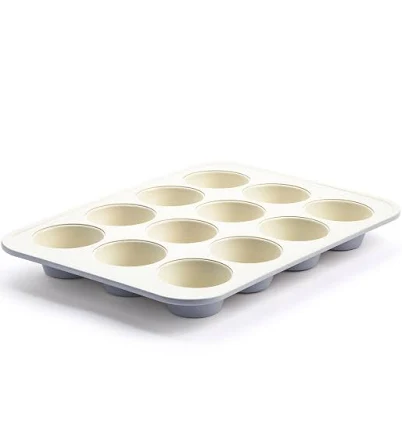
- Ceramic nonstick coating (proprietary blend)
- The brand calls it PFAS-free, which we have not verified
- Ceramic coating degradation and substrate exposure
2 hazards checked on this product, all on its full breakdown.
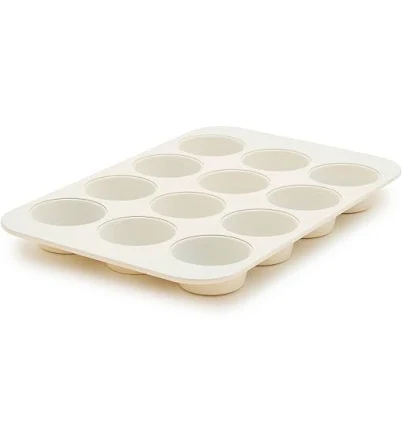
- Hard-anodized aluminum with proprietary thermolon nonstick coating
- The brand calls it PFAS-free, which we have not verified
- Aluminum leaching
4 hazards checked on this product, all on its full breakdown.
More muffin tins grades
How we score, every product runs through the same public 0-100 rubric based on materials, coatings, brand disclosure, lab findings, and recalls. See the full methodology → Spotted a mistake? Report an error.