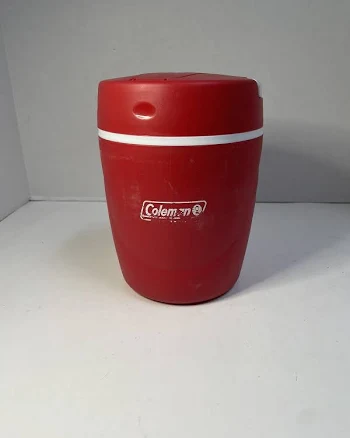
Coleman Three Compartment Lunch Thermos With Spork (missing Bowl And
Lower concern. Typical thermos design poses minimal PFAS risk.
Coleman thermoses use stainless steel and standard plastics without known Teflon-family coating coatings. No PFAS claims made, but the design suggests routine food contact materials with lower inherent PFAS risk.
We flunk more products than we pass. This one earned its grade. How we grade
Material
stainless steel thermos, plastic lid and spork
Lab data
No public lab test
What Coleman Three Compartment Lunch Thermos is made of, ingredients and materials
The thermos body is stainless steel, which does not leach metals or chemicals into food under normal use. The lid and spork are plastic, likely polypropylene or similar food-contact polymers. Stainless steel is not a material linked to PFAS concerns because it is chemically inert and does not degrade when in contact with food or beverages across typical temperature ranges.
What’s concerning
Category baseline
The starting point for this type of product, before anything specific to this product is counted.
No PFAS disclosure
No public statement from the brand about PFAS in this product.
Plastic lid and spork degradation over time
Repeated washing, hot liquids, and UV exposure can cause polypropylene or similar plastic components to degrade, becoming brittle or releasing trace compounds. No specific recalls exist for Coleman lunch thermos lids, but degradation is a normal lifecycle event for food-contact plastics.
Bacterial growth in unsealed compartments
The thermos design includes multiple compartments; if not dried thoroughly after washing, moisture can accumulate in seals and crevices, creating conditions for mold or bacterial colonization. This is a maintenance issue rather than a chemical hazard.
Odor or off-gassing from plastic components when heated
Plastic lids exposed to very hot beverages may release minor volatile organic compounds, typically perceived as a chemical smell. This risk is minimal if liquids are cooled slightly before sealing and the lid is not heated directly.
What’s reassuring
Base material not linked to PFAS
The main material recorded for this product is not one associated with PFAS.
BPA & bisphenols
No public evidence that Coleman uses BPA or BPS in this product line, but material composition is not explicitly disclosed. Modern polypropylene food-contact items typically do not contain these compounds, but lack of transparency means it cannot be ruled out entirely.
Source, FDA ↗Stainless steel corrosion or leaching
Food-grade stainless steel (typically 18/8 or 18/10 alloy) does not leach nickel or chromium into food under normal use. Coleman's use of stainless steel bodies is a deliberate choice to avoid this hazard class.
The full breakdown
The brand's record and disclosure
Coleman manufactures outdoor and camping gear with a long market history but maintains limited public transparency on chemical composition or third-party safety testing. No major recalls or chemical safety scandals are on record for this product line. The brand does not publish detailed material safety data sheets or certifications specific to food-contact components.
How it compares in its category
This product is typical for mid-range lunch thermoses; stainless steel bodies are standard across most brands in this price tier and pose minimal chemical risk compared to glass-lined or aluminum-lined alternatives. Plastic lids are common across the category; higher-end models sometimes use stainless steel or silicone lids, but functional risk from polypropylene lids is minimal if not heated excessively.
If you buy it
Hand wash the plastic components rather than running them through the dishwasher, as repeated high-heat cycles can degrade polymers over time. Do not fill with liquids hotter than 165 degrees Fahrenheit, as extended exposure to extreme heat may cause minor plastic off-gassing. Replace the lid or spork if you notice cracks, cloudiness, or odor; these are signs of degradation. Rinse thoroughly after each use and allow to air dry completely to prevent bacterial growth.
What we don’t know
- Basis
- Model estimate, 72% confidence, not a lab result
- Lab test
- None on record for this exact product
- Brand statement
- Coleman has made a specific claim
Formulations change between production runs, so check the current label. How we grade.
Better-graded alternatives in Lunch Boxes
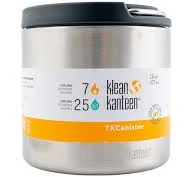
Klean Kanteen
Double Wall Vacuum Insulated Stainless Steel Food Canister Container with Leak Proof Lid
- Stainless steel body, silicone gasket lid seal
- The brand calls it PFAS-free, which we have not verified
- Silicone gasket degradation
3 hazards checked on this product. See all of them.
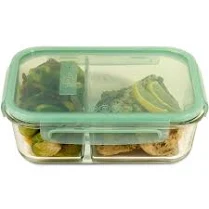
Snapware
Meal Box Glass
- borosilicate glass
- We found no PFAS statement from the brand
- Leaching from glass matrix or lid seals
2 hazards checked on this product. See all of them.
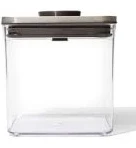
OXO
Steel Pop Big Square Short - 2.8 Qt/2.6 l
- Stainless steel container, no surface treatment
- Lid/gasket polymer leaching
3 hazards checked on this product. See all of them.
More lunch boxes grades
How we score, every product runs through the same public 0-100 rubric based on materials, coatings, brand disclosure, lab findings, and recalls. See the full methodology → Spotted a mistake? Report an error.