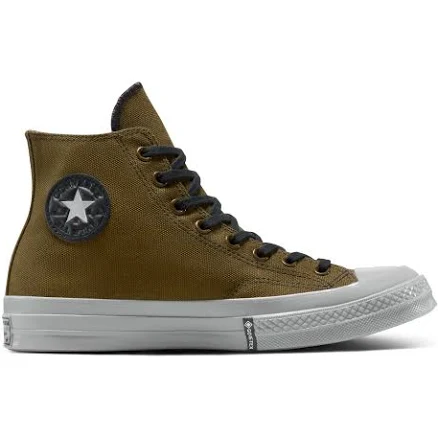
Converse · Running & Athletic Shoes
Converse Chuck 70 HI GTX
GTX membrane waterproofing often contains PFAS; Converse discloses nothing.
Converse Chuck 70 HI GTX uses Gore-Tex or similar waterproof lining to achieve water resistance. These membranes traditionally rely on Teflon-family coating including PFAS compounds, though newer formulations may vary. Brand provides no PFAS transparency.
Still want this one anyway? Check the price on Amazon. We’d swap it.
Material
Canvas/textile with GTX waterproof membrane
Brand disclosure
Brand is silent on PFAS
Lab data
No public lab test
What Converse Chuck 70 HI GTX is made of, ingredients and materials
Chuck 70 HI GTX combines cotton canvas upper with a Gore-Tex (GTX) waterproof membrane, rubber sole, and textile lining. The GTX membrane is a thin, breathable plastic layer bonded between fabric layers to repel water while allowing vapor to escape. This construction is common in hiking and casual waterproof footwear, but the membrane itself is typically fluorocarbon-based, which introduces PFAS chemistry into the shoe.
What’s concerning
Waterproof / stain-resistant treatment
Water-repellent coating treatments have historically used PFAS.
Category baseline
The starting point for this type of product, before anything specific to this product is counted.
No PFAS disclosure
No public statement from the brand about PFAS in this product.
Formaldehyde / VOCs
Canvas and lining may be treated with formaldehyde-based finishes for stiffness, water resistance, or mildew inhibition. Converse does not publicly disclose finishing chemistry. Exposure is highest during the first weeks of wear as volatile residues off-gas; hand washing and airing reduce this.
Source, ATSDR ↗Azo dyes in canvas or rubber coloring
The canvas and rubber sole may contain azo dyes, which can release carcinogenic amines under certain conditions (sweat, friction, heat). No independent testing of this product is on record. Risk is reduced with regular washing and avoiding prolonged contact with skin in wet conditions.
Membrane adhesive or coating leachates
The polyurethane or polyester adhesives bonding the GTX layer to canvas may release small amounts of unreacted monomers or plasticizers, especially when warm or wet. Converse provides no chemical specification. Risk is mitigated by proper drying and avoiding heat exposure.
Microplastic shedding from synthetic fibers and rubber
GTX membrane is a polymer; rubber sole will shed microparticles over time with normal wear and abrasion. These are inhaled or deposited in the environment during use. Converse has not committed to microplastic reduction in footwear design.
Antimony in polyester components
If the lining or GTX backing uses polyester or polyethylene terephthalate (PET) with antimony catalyst (a common manufacturing practice), trace antimony may leach under acidic or warm conditions. Converse does not disclose catalyst composition. Levels in typical footwear are below regulatory concern but remain unverified for this model.
The full breakdown
The brand's record and disclosure
Converse (owned by Nike) does not publicly disclose PFAS presence, management strategy, or plans to phase out fluorinated water repellents in their footwear. Nike as a parent company has committed to reducing PFAS by 2025 in apparel but has not published specific timelines for footwear or subsidiary brands. No formal recalls or safety alerts have been issued for Chuck 70 models related to chemical hazards. The canvas and rubber used in this shoe do not appear to be third-party certified (e.g., GOTS, Bluesign) for reduced chemical inputs.
How it compares in its category
Canvas sneakers without waterproofing (standard Chucks, most casual shoes) avoid the PFAS membrane issue entirely. Alternatives like Veja and some Salomon models market PFAS-free or reduced-fluorochemical water repellents, though verification is limited. The GTX Chuck 70 sits in a middle position, respected build quality and durability, but no transparency on chemical alternatives or third-party safety vetting. Most mainstream waterproof casual shoes (Timberland, Keen, standard Nike) use similar fluorocarbon membranes without disclosure.
If you buy it
Wash the shoe by hand in cool water with mild soap; machine washing risks accelerating membrane degradation and potential leaching. Do not expose to prolonged heat (dishwasher, direct sun drying, or heat gun), as this can degrade the adhesive and textile bonds. Replace the shoe after 2-3 years of regular use, when the sole shows visible wear or the upper fabric frays, to avoid inhalation of degraded fibers. Store in a cool, dry place and air-dry naturally after wet use to preserve membrane integrity.
What we don’t know
- Basis
- Model estimate, 45% confidence, not a lab result
- Lab test
- None on record for this exact product
- Brand statement
- Converse has made none
Formulations change between production runs, so check the current label. How we grade.
Better-graded alternatives in Running & Athletic Shoes
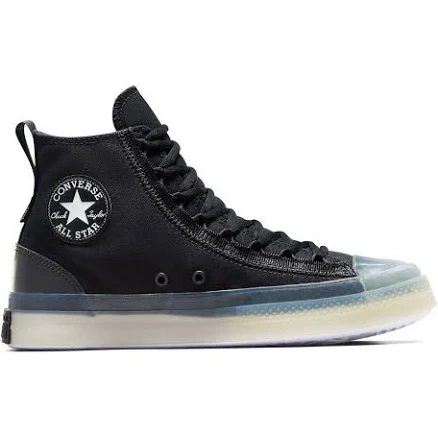
Converse
Chuck Taylor All Star Cx Exp2 4.5 Men A07199C
- Canvas upper, rubber sole
- We found no PFAS statement from the brand
- Azo dyes in canvas
2 hazards checked on this product. See all of them.
Converse
Run Star Trainer
- Canvas, rubber sole
- We found no PFAS statement from the brand
- Azo dyes and synthetic dyes
4 hazards checked on this product. See all of them.
New Balance
Women's Fresh Foam Arishi v4 Shoes
- Mesh upper, Fresh Foam midsole, rubber outsole
- We found no PFAS statement from the brand
- Azo dyes and color-based toxins
2 hazards checked on this product. See all of them.
More running & athletic shoes grades
How we score, every product runs through the same public 0-100 rubric based on materials, coatings, brand disclosure, lab findings, and recalls. See the full methodology → Spotted a mistake? Report an error.