New Balance · Running & Athletic Shoes
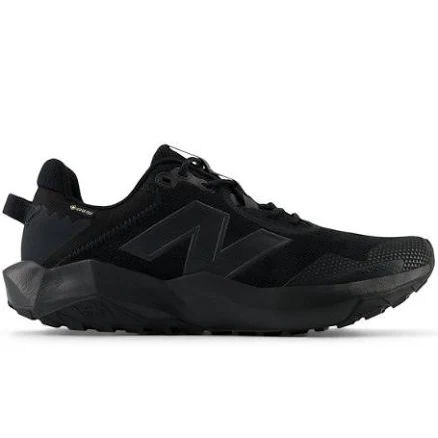
New Balance Men's DynaSoft Nitrel v6 Gore Tex
Gore-Tex membranes historically use PFAS; New Balance discloses nothing.
Gore-Tex waterproofing typically contains PFAS compounds. New Balance provides no PFAS disclosure for this shoe, making it a moderate concern without independent testing data.
Still want this one anyway? Check the price on Amazon. We’d swap it.
Material
Textile with Gore-Tex waterproof membrane
Brand disclosure
Brand is silent on PFAS
Lab data
No public lab test
You may also be interested in
Top-graded picks in the categories readers replace first, every one scored on the same rubric.

- polypropylene filter housing, carbon/sediment cartridge
- We found no PFAS statement from the brand
- Bacterial growth in spent cartridges
3 hazards checked on this product, all on its full breakdown.

Aquasure
Premier Series 75 GPD Under Sink Reverse Osmosis Water Filtration System
- RO membrane, carbon filters, stainless steel housing
- We found no PFAS statement from the brand
- Bacterial and microbial growth in housing and filters
4 hazards checked on this product, all on its full breakdown.

Avocado
Vegan Mattress
- organic cotton, natural latex, coconut coir, recycled steel coils
- The brand calls it PFAS-free, which we have not verified
- Heavy metals
2 hazards checked on this product, all on its full breakdown.
What New Balance Men's DynaSoft v6 Gore Tex is made of, ingredients and materials
This shoe pairs a textile upper (likely polyester or nylon blend) with a Gore-Tex waterproof membrane laminated to the interior. Gore-Tex achieves water resistance via expanded polytetrafluoroethylene (ePTFE), a microporous Teflon-type coating layer that historically required PFAS chemicals during manufacture and is often bound with Teflon-family coating adhesives containing additional PFAS. The outer textile layers may also contain dyes, finishes, and adhesives that introduce secondary hazards. The combination creates a durable, breathable waterproof shoe but concentrates PFAS exposure in the membrane closest to skin.
What’s concerning
Waterproof / stain-resistant treatment
Water-repellent coating treatments have historically used PFAS.
Category baseline
The starting point for this type of product, before anything specific to this product is counted.
No PFAS disclosure
No public statement from the brand about PFAS in this product.
Azo dyes in textile colorants
Polyester and nylon uppers may be dyed with azo dyes, some of which are regulated as carcinogens or allergens in textile applications. New Balance does not publish dye or pigment supplier audits for this model, so hazard cannot be ruled out.
Formaldehyde / VOCs
Textile finishes for wrinkle resistance or water-repellency (non-PFAS treatments) and adhesives bonding the Gore-Tex membrane may contain formaldehyde-releasing compounds. Off-gassing is typically low in finished shoes but detectable in first weeks of wear.
Source, ATSDR ↗Cadmium
Polyester textiles may contain trace antimony (catalyst residue) or cadmium in certain pigments, particularly in darker colorways. Skin contact with finished textile is low-risk, but migration during washing or perspiration cannot be entirely ruled out without material testing.
Source, ATSDR ↗Microplastics
Polyester and nylon fibers shed during wear and washing, releasing microplastics into waterways. This is a concern for all synthetic athletic shoes but accelerates with abrasion and warm water washing.
Source, EPA ↗Adhesive leachables from Gore-Tex lamination
Gore-Tex laminates use thermoplastic polyurethane (TPU) or polyester-based adhesives; these can release residual monomers and solvents if the bond degrades. New Balance provides no data on adhesive formulation or leaching rates for this shoe model.
How is this PFAS grade calculated?
The brand's record and disclosure
New Balance has not published a public PFAS elimination timeline or commitment, and does not disclose waterproofing methods in product specs or sustainability reports examined for this category. The brand has faced criticism from environmental groups regarding PFAS use in footwear but has not responded with binding phase-out pledges or transparent supplier testing. No recalls or contamination incidents specific to New Balance Gore-Tex shoes are on record, but silence on chemical sourcing is the industry norm for mid-market athletic brands.
How it compares in its category
Gore-Tex remains the premium waterproofing standard in hiking and running footwear, and New Balance's use is unremarkable in this segment. Competing brands (Salomon, Merrell, Asics) use Gore-Tex or similar Teflon-family coating membranes with equivalent PFAS profiles. Waterproof alternatives not linked to PFAS (eVent, Sympatex) exist but are less common in men's trail shoes at this price point. The Nitrel v6 offers good durability and comfort for the cost but does not differentiate on chemical safety.
If you buy it
Wash separately in cool water with mild detergent to avoid degrading coatings and prevent PFAS leaching into general wash streams. Do not use fabric softeners, high heat, or machine dry; air-dry only. Replace after 2-3 years of heavy use or when the mesh upper separates from the sole, as delamination signals coating breakdown. Store in a dry place away from direct sunlight to slow degradation of the Gore-Tex bond.
What is not known about PFAS in this product?
- Basis
- Model estimate, 55% confidence, not a lab result
- Lab test
- None on record for this exact product
- Brand statement
- New Balance has made none
Formulations change between production runs, so check the current label. How we grade.
What are the PFAS-free alternatives to New Balance Men's DynaSoft Nitrel v6 Gore Tex?
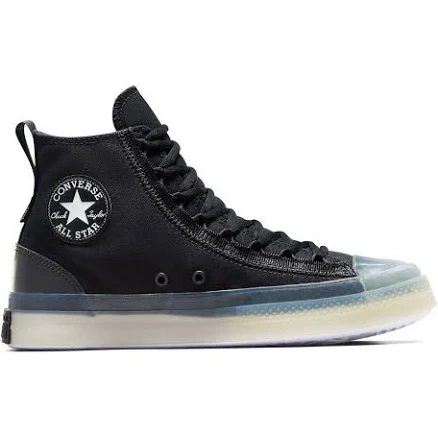
- Canvas upper, rubber sole
- We found no PFAS statement from the brand
- Azo dyes in canvas
2 hazards checked on this product, all on its full breakdown.
Find an alternative on Amazon
- Canvas, rubber sole
- We found no PFAS statement from the brand
- Azo dyes and synthetic dyes
4 hazards checked on this product, all on its full breakdown.
Find an alternative on Amazon
- Mesh upper, Fresh Foam midsole, rubber outsole
- We found no PFAS statement from the brand
- Azo dyes and color-based toxins
2 hazards checked on this product, all on its full breakdown.
Find an alternative on AmazonMore running & athletic shoes grades
How we score, every product runs through the same public 0-100 rubric based on materials, coatings, brand disclosure, lab findings, and recalls. See the full methodology → Spotted a mistake? Report an error.