Puma · Running & Athletic Shoes
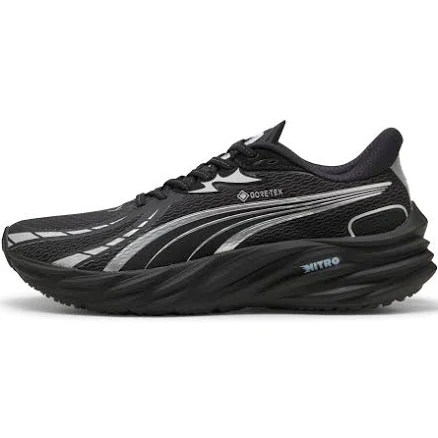
Puma Men's Velocity Nitro 4 GTX
GTX membrane raises PFAS concern; Puma silent on chemistry.
Gore-Tex uses Teflon-family coating for waterproofing, historically associated with PFAS. Puma provides no PFAS disclosure or testing data for this shoe model.
Still want this one anyway? Check the price on Amazon. We’d swap it.
Material
textile upper with Gore-Tex waterproof membrane
Lab data
No public lab test
You may also be interested in
Top-graded picks in the categories readers replace first, every one scored on the same rubric.

- polypropylene filter housing, carbon/sediment cartridge
- We found no PFAS statement from the brand
- Bacterial growth in spent cartridges
3 hazards checked on this product, all on its full breakdown.

Aquasure
Premier Series 75 GPD Under Sink Reverse Osmosis Water Filtration System
- RO membrane, carbon filters, stainless steel housing
- We found no PFAS statement from the brand
- Bacterial and microbial growth in housing and filters
4 hazards checked on this product, all on its full breakdown.

Avocado
Vegan Mattress
- organic cotton, natural latex, coconut coir, recycled steel coils
- The brand calls it PFAS-free, which we have not verified
- Heavy metals
2 hazards checked on this product, all on its full breakdown.
What Puma Men's Velocity Nitro 4 GTX is made of, ingredients and materials
The Puma Velocity Nitro 4 GTX pairs a textile upper (likely polyester and nylon blend) with a Gore-Tex membrane bonded to the interior. Gore-Tex's water repellency relies on PFAS chemistry, which is the primary chemical concern here. The midsole and outsole are typically thermoplastic polyurethane and rubber; these are not classified as high-risk materials, but degradation over years can shed microparticles. No known hazards from the textile dyes or resins have been flagged for this specific shoe model.
What’s concerning
Waterproof / stain-resistant treatment
Water-repellent coating treatments have historically used PFAS.
Category baseline
The starting point for this type of product, before anything specific to this product is counted.
No PFAS disclosure
No public statement from the brand about PFAS in this product.
PFAS
Gore-Tex relies on PFAS chemistry for water repellency. While the membrane is bonded and not directly skin-contacting, wear, washing, and eventual disposal release PFAS into water and soil. Puma does not disclose PFAS concentration or alternatives.
Source, ATSDR ↗Adhesive and glue off-gassing
Gore-Tex bonding and sole attachment use polyurethane adhesives that can emit volatile organic compounds (VOC) during the first weeks of use. Off-gassing is typically mild and odor-based rather than a measurable health hazard, but sensitivity to adhesive fumes is individual.
Microplastic shedding from sole and upper degradation
Running shoes shed microplastics from midsole compression and upper wear over time. This is a known class hazard for all synthetic athletic footwear; Puma does not isolate or reduce this through material choice in the Velocity Nitro 4.
What’s reassuring
Formaldehyde / VOCs
No recalls or test reports indicate formaldehyde-based finishes in Puma Velocity Nitro 4 uppers. Standard polyester and nylon textiles can carry trace formaldehyde from manufacturing, but Puma has not been flagged for this class of hazard.
Source, ATSDR ↗Heavy metals
No violations or public testing has identified azo dyes or heavy metal pigment contamination in Puma footwear colors. Puma does not publish dye chemistry, but the brand is not known for this specific hazard.
Source, FDA ↗How is this PFAS grade calculated?
The brand's record and disclosure
Puma does not publicly disclose detailed PFAS avoidance or phase-out timelines, despite growing industry pressure. The brand has not published comprehensive chemical management policies for footwear like some competitors (Adidas, Nike). No recalls, formaldehyde resin controversies, or azo dye violations are on public record for Puma footwear in recent years. The silence on Gore-Tex specifically is notable, given that Puma could offer non-PFAS waterproof alternatives but does not highlight this choice.
How it compares in its category
Running shoes with Gore-Tex membranes occupy a premium segment; nearly all carry PFAS through the membrane technology. Puma's approach is typical, they use Gore-Tex without alternative waterproofing claims. Shoes using eVent or waxed fabric membranes exist but are rarer and often less breathable. In textile finish and construction, the Velocity Nitro 4 sits in the mainstream; no obvious cost-cutting markers (inconsistent dyeing, visible delamination in reviews) suggest lower chemical loading than peers.
If you buy it
Store in a cool, dry place away from direct heat; Gore-Tex membranes can degrade under prolonged UV or heat stress. Wash upper textiles gently with cold water and mild soap; avoid bleach and high-temperature dryers. Inspect seams and bonding annually; delamination of the Gore-Tex layer is a known wear point in this shoe class after 18-24 months of regular use. Replace shoes once cushioning feels compressed or outsole traction visibly flattens (typically 300-500 miles for running shoes).
What is not known about PFAS in this product?
- Basis
- Model estimate, 55% confidence, not a lab result
- Lab test
- None on record for this exact product
- Brand statement
- Puma has made a specific claim
Formulations change between production runs, so check the current label. How we grade.
What are the PFAS-free alternatives to Puma Men's Velocity Nitro 4 GTX?
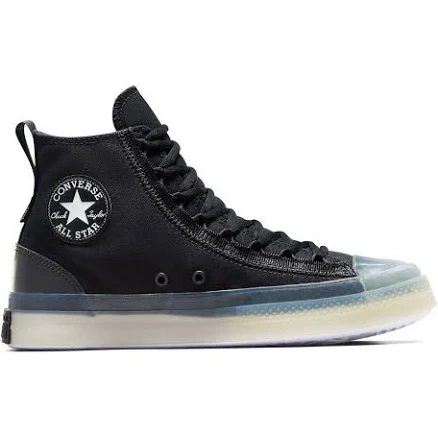
- Canvas upper, rubber sole
- We found no PFAS statement from the brand
- Azo dyes in canvas
2 hazards checked on this product, all on its full breakdown.
Find an alternative on Amazon
- Canvas, rubber sole
- We found no PFAS statement from the brand
- Azo dyes and synthetic dyes
4 hazards checked on this product, all on its full breakdown.
Find an alternative on Amazon
- Mesh upper, Fresh Foam midsole, rubber outsole
- We found no PFAS statement from the brand
- Azo dyes and color-based toxins
2 hazards checked on this product, all on its full breakdown.
Find an alternative on AmazonMore running & athletic shoes grades
How we score, every product runs through the same public 0-100 rubric based on materials, coatings, brand disclosure, lab findings, and recalls. See the full methodology → Spotted a mistake? Report an error.