Converse · Running & Athletic Shoes
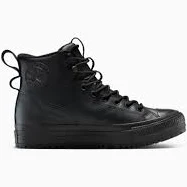
Shoes Converse Chuck Taylor All Star Hiker Boot Hi
Hiking boot likely has water-repellent coating treatment; Converse discloses nothing about PFAS.
Converse Chuck Taylor Hiker boots typically use canvas and rubber with water-resistant coating, standard for hiking footwear. Brand makes no public PFAS disclosures; many hiking boots use fluorochemical water repellents.
Still want this one anyway? Check the price on Amazon. We’d swap it.
Material
Canvas and rubber upper with waterproof coating
Brand disclosure
Brand is silent on PFAS
Lab data
No public lab test
What Shoes Converse Chuck Taylor All Star is made of, ingredients and materials
The Chuck Taylor Hiker Hi uses canvas uppers (cellulose fibers) paired with rubber soles and a waterproof coating. Canvas itself is chemically inert when untreated, but the waterproof finish applied to hiking boots typically uses water-repellent coating (water-repellent coating) chemistry, historically based on Teflon-type coating or fluorinated compounds. The rubber components may contain vulcanization residues and accelerators, though these are generally well-contained in cured rubber. The coating degrades over time with use and washing, potentially releasing particles or exposing untreated canvas.
What’s concerning
Waterproof / stain-resistant treatment
Water-repellent coating treatments have historically used PFAS.
Category baseline
The starting point for this type of product, before anything specific to this product is counted.
No PFAS disclosure
No public statement from the brand about PFAS in this product.
water-repellent coating (water-repellent coating) coating chemistry
Waterproof canvas hiking boots almost universally use fluorinated water-repellent coating treatments. Converse discloses nothing; coating leaches gradually as it degrades from UV, wear, and washing, releasing PFAS precursors.
Heavy metals
Canvas dyes could contain azo compounds (known allergens and potential carcinogens); Converse does not publish dye sourcing or restricted substance lists. Risk is typical for unbranded canvas footwear in this category.
Source, FDA ↗Coating degradation and particulate release
Water-repellent coating coatings on canvas naturally flake and peel after 1-2 seasons. Detached coating particles are inhaled or shed into soil during outdoor use; composition (if PFAS-based) makes this an exposure pathway not easily controlled by the consumer.
What’s reassuring
Formaldehyde / VOCs
Canvas may be treated with formaldehyde-based sizing or dyes, but no specific recalls or warnings for Converse Chuck Taylor hiking boots exist. Standard cotton canvas carries lower risk than synthetic textiles.
Source, ATSDR ↗Rubber vulcanization residues and accelerators
Cured rubber soles are chemically stable; accelerators and zinc compounds used in vulcanization are typically locked in place. No evidence of leaching from cured rubber in comparable Converse boots.
The full breakdown
The brand's record and disclosure
Converse has not published transparent chemical disclosures or restrictions on PFAS use in waterproof coatings. The brand is owned by Nike, which committed to phasing out long-chain PFAS by 2025 but has not confirmed this applies to Converse's entire lineup or hiking-specific products. No independent certifications (Bluesign, GOTS, or similar) are typically associated with Chuck Taylor boots, limiting third-party chemical oversight. The silence on water-repellent coating chemistry is standard for many shoe brands but represents a significant transparency gap for a product marketed for outdoor use.
How it compares in its category
Hiking boots in this price range typically rely on synthetic water-repellent coating coatings; more expensive alternatives sometimes specify Teflon-type coating-free or wax-based water resistance. Converse's canvas-rubber hybrid is less chemically intensive than full synthetic hiking boots (which may contain polyurethane, TPU, or specialty membranes), but also less durable. Comparable canvas hiking boots (e.g., some Timberland or REI Co-op models) rarely disclose coating chemistry either, making this a category-wide transparency problem rather than a Converse-specific failure.
If you buy it
Keep the boots dry and away from high heat sources (radiators, direct sun) to minimize coating breakdown and potential leaching. Clean with cool water and mild soap; avoid machine washing or harsh solvents that accelerate coating degradation. Inspect the waterproof finish annually for cracking or peeling; once compromised, the PFAS-containing coating will degrade further with each wet exposure. Replace boots when the sole separates, canvas tears, or coating loss becomes visible, typically after 1-2 seasons of regular hiking use.
What we don’t know
- Basis
- Model estimate, 45% confidence, not a lab result
- Lab test
- None on record for this exact product
- Brand statement
- Converse has made none
Formulations change between production runs, so check the current label. How we grade.
Better-graded alternatives in Running & Athletic Shoes
Converse
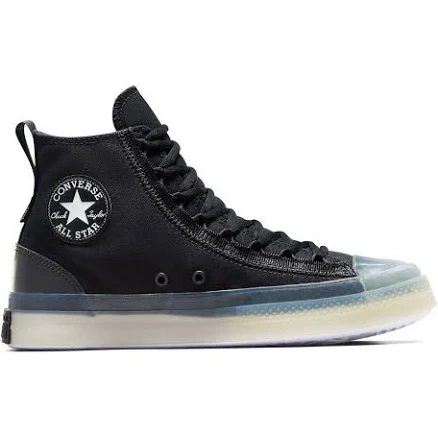
Chuck Taylor All Star Cx Exp2 4.5 Men A07199C
- Canvas upper, rubber sole
- We found no PFAS statement from the brand
- Azo dyes in canvas
2 hazards checked on this product. See all of them.
Converse
Run Star Trainer
- Canvas, rubber sole
- We found no PFAS statement from the brand
- Azo dyes and synthetic dyes
4 hazards checked on this product. See all of them.
New Balance
Women's Fresh Foam Arishi v4 Shoes
- Mesh upper, Fresh Foam midsole, rubber outsole
- We found no PFAS statement from the brand
- Azo dyes and color-based toxins
2 hazards checked on this product. See all of them.
More running & athletic shoes grades
How we score, every product runs through the same public 0-100 rubric based on materials, coatings, brand disclosure, lab findings, and recalls. See the full methodology → Spotted a mistake? Report an error.