
Bonded-Scuba V-Neck Swimsuit
Lower concern; standard swim fabric with no known PFAS triggers, but no transparency.
This bonded-nylon swimsuit uses materials not requiring PFAS coatings. Unlike water-resistant outerwear or stain-resistant fabrics, swimwear typically relies on fiber construction rather than water-resistant finishes. COS provides no public PFAS disclosure.
The better-graded swap
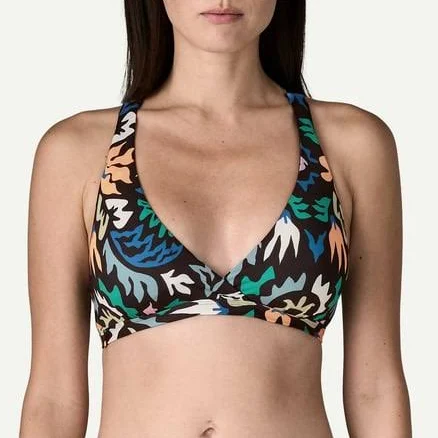
Patagonia
Patagonia Women's Bottom Turn Racerback Bikini Top
90/100 safety
Same rubric that flunked this product. The swap earned Excellent.
Still want this one anyway? Check the price on Amazon. We’d swap it.
Material
Nylon/polyamide blend (bonded construction)
Brand disclosure
Brand is silent on PFAS
Lab data
No public lab test
What Bonded-Scuba V-Neck Swimsuit is made of, ingredients and materials
This swimsuit is nylon/polyamide bonded construction, a standard synthetic blend for swim apparel. Bonded nylon uses adhesive layers to fuse fabric panels, creating stretch and durability without seams in critical areas. The chemistry is stable under normal wear and water exposure; nylon itself does not leach estrogens or endocrine disruptors in the way some older plastics do. Chlorine and saltwater can degrade nylon over time, but degradation is cosmetic (fading, loss of elasticity) rather than hazardous.
What’s concerning
Category baseline
The starting point for this type of product, before anything specific to this product is counted.
No PFAS disclosure
No public statement from the brand about PFAS in this product.
Azo dyes and colorant residues
Swimwear dyes may include azo compounds (linked to skin sensitivity in rare cases) or unbound dye molecules that leach slightly in the first few washes. COS does not publish dye source or testing data. Typical risk is low for most users, but sensitive skin may benefit from pre-washing before first wear.
Formaldehyde / VOCs
Nylon and synthetic blends sometimes use formaldehyde-based resins in bonding adhesives or wrinkle-resistant finishes. COS does not disclose finishing chemistry. Off-gassing is minimal after initial washes, and no allergic reactions have been reported for this brand, but pre-washing reduces any residual exposure.
Source, ATSDR ↗Degradation byproducts from chlorine exposure
Repeated chlorine exposure breaks down nylon polymers over time, potentially releasing small quantities of oligomers (short polymer chains). This is a cosmetic degradation issue rather than an acute hazard, but frequent pool swimmers may want to rotate swimsuits to slow the process.
Microfiber shedding during washing
Synthetic swimwear sheds microfibers, particularly in the first few washes and during machine washing. Environmental concern is significant; personal health risk is minimal. Hand washing and mesh laundry bags reduce shedding and are recommended for all synthetic apparel.
What’s reassuring
Base material not linked to PFAS
The main material recorded for this product is not one associated with PFAS.
Adhesive leaching from bonded seams
Bonded nylon construction relies on polyurethane or acrylic adhesives. These are non-toxic when cured but can release volatile compounds during manufacturing. By consumer receipt, adhesive is fully set; no leaching is documented for nylon swimwear in this construction type.
The full breakdown
The brand's record and disclosure
COS is a Hennes and Mauritz (H&M group) subsidiary focused on minimalist design and does not publish detailed material safety or chemical transparency reports. The brand maintains no known certifications for restricted substance testing (OEKO-TEX, GOTS, or equivalent) for swimwear lines. No product recalls or safety controversies are on record for COS swimwear. The lack of public disclosure on dyeing, finishing chemicals, or formaldehyde-resin treatments is typical of fast-fashion brands in this segment but leaves residual uncertainty about wet-finishing processes.
How it compares in its category
Nylon-blend swimwear is the industry standard; COS sits at the middle-market tier for both price and chemical transparency. Luxury or outdoor brands (Patagonia, Speedo) typically publish testing or certification data; budget fast-fashion competitors (H&M, Uniqlo) offer similar opacity. Nylon is more durable and chlorine-resistant than polyester blends, making it a lower concern choice for frequent pool swimmers. This specific bonded construction is common and carries no documented advantage or disadvantage in hazard profiles versus traditional nylon swimsuits.
If you buy it
Rinse the swimsuit in cool fresh water after each pool or ocean use to extend life and remove chlorine/salt residue that accelerates nylon breakdown. Avoid prolonged exposure to direct sunlight, heat, or hot water, which can weaken fibers and degrade color faster. Hand wash in mild detergent; machine washing and high heat accelerate material fatigue. Replace when elastic fails (typically 12, 18 months with regular use) or when stretch is visibly compromised, as worn material is less protective and more prone to tearing.
What we don’t know
- Basis
- Model estimate, 72% confidence, not a lab result
- Lab test
- None on record for this exact product
- Brand statement
- COS has made none
Formulations change between production runs, so check the current label. How we grade.
Better-graded alternatives in Swimwear
Patagonia
Women's Bottom Turn Racerback Bikini Top
- Nylon/polyester blend with elastane (standard swimwear)
- The brand calls it PFAS-free, which we have not verified
- Elastane (spandex) degradation under heat or chlorine
More swimwear grades
How we score, every product runs through the same public 0-100 rubric based on materials, coatings, brand disclosure, lab findings, and recalls. See the full methodology → Spotted a mistake? Report an error.