
COS Women's Asymmetric Double-Faced Swimsuit
Lower concern for PFAS, but COS discloses nothing on water-resistant treatments.
This polyamide swimsuit lacks nonstick, waterproofing, or stain-resistance claims that normally drive PFAS use. COS does not publicly disclose treatment chemicals or supply-chain PFAS screening.
The better-graded swap
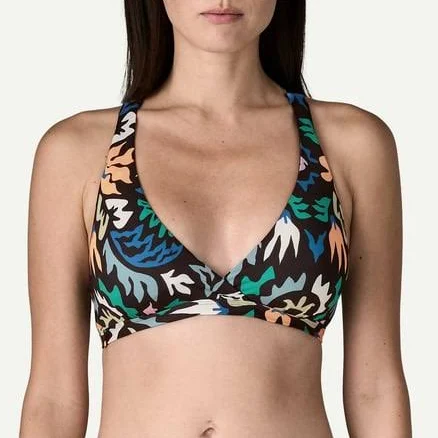
Patagonia
Patagonia Women's Bottom Turn Racerback Bikini Top
90/100 safety
Same rubric that flunked this product. The swap earned Excellent.
Still want this one anyway? Check the price on Amazon. We’d swap it.
Material
Polyamide (nylon) blend; double-faced woven textile
Brand disclosure
Brand is silent on PFAS
Lab data
No public lab test
You may also be interested in
Top-graded picks in the categories readers replace first, every one scored on the same rubric.

Aqua Pure
3M Aqua-Pure AP802B Whole House Filter Housing
- polypropylene filter housing, carbon/sediment cartridge
- We found no PFAS statement from the brand
- Bacterial growth in spent cartridges
3 hazards checked on this product. See all of them.

Aquasure
Premier Series 75 GPD Under Sink Reverse Osmosis Water Filtration System
- RO membrane, carbon filters, stainless steel housing
- We found no PFAS statement from the brand
- Bacterial and microbial growth in housing and filters
4 hazards checked on this product. See all of them.

Avocado
Vegan Mattress
- organic cotton, natural latex, coconut coir, recycled steel coils
- The brand calls it PFAS-free, which we have not verified
- Heavy metals
2 hazards checked on this product. See all of them.
What COS Women's Asymmetric Double-Faced is made of, ingredients and materials
This swimsuit is polyamide (nylon), a synthetic polymer widely used in swimwear because it is elastic, chlorine-resistant, and quick-drying. Double-faced construction means two layers of fabric bonded together, which improves durability and shape retention but offers no inherent safety advantage or disadvantage. Polyamide itself is chemically stable and does not leach hazardous monomers like BPA into water or skin under normal use. The main concern in nylon textiles is residual processing chemicals and dyes applied during manufacturing.
What’s concerning
Category baseline
The starting point for this type of product, before anything specific to this product is counted.
No PFAS disclosure
No public statement from the brand about PFAS in this product.
Azo dyes and colorant chemistry
Polyamide swimwear is typically dyed with reactive or disperse dyes, some of which may contain azo compounds. These are regulated in the EU but not banned; no published analysis of this specific COS product's dyes exists. Skin contact with leached dyes is rare under normal wear, but prolonged wet contact or friction can increase minor migration.
Formaldehyde / VOCs
Double-faced textiles are sometimes treated with formaldehyde-based resins to stabilize the bond and improve shape retention. COS does not disclose this; EU regulations require declaration only if formaldehyde content exceeds 75 ppm. Off-gassing is minimal in swimwear but may occur in the first wash and with storage in sealed containers.
Source, ATSDR ↗Elastic degradation and residual processing chemicals
Nylon swimwear contains elastane or spandex fibers woven with polyamide. Elastic degradation from chlorine, salt, sunscreen, or UV exposure can release residual solvents or plasticizers trapped during manufacturing. This is a wear-out phenomenon, not an acute hazard, but accelerates with improper care.
What’s reassuring
Base material not linked to PFAS
The main material recorded for this product is not one associated with PFAS.
Water-resistant or water-repellent coating composition
Swimwear does not typically require water-repellent treatment (unlike performance outerwear), and no information suggests this product carries added water-repellent coating. If treated, composition would be undisclosed by COS and may contain PFAS; the lower PFAS grade (65/100) suggests minimal or no fluorinated coating, but this is not confirmed.
Lead
Polyamide swimwear is not typically finished with ceramic glazes or heavy-metal-bearing pigments used in cookware or tableware. Commercial textile dyes are regulated to minimize cadmium and lead; no specific data on this product exists, but the hazard is not characteristic of this material class in swimwear.
Source, ATSDR ↗The full breakdown
The brand's record and disclosure
COS (a subsidiary of H&M Group) does not publicly disclose detailed chemical composition, manufacturing standards, or water-resistant treatment protocols for individual garments. The H&M Group has committed to phasing out hazardous chemicals and improving factory standards, but transparency on specific products remains limited. No major recalls or chemical contamination incidents linked to COS swimwear are on public record. The brand's silence on PFAS treatment of water-resistant coatings is common industry-wide but leaves consumers without confirmation of safety.
How it compares in its category
Polyamide swimwear is the industry standard and presents lower concern than PVC or older chlorinated fabrics. This product's double-faced construction is a premium feature that improves longevity, reducing waste and repeated chemical exposure from new garment production. Certified organic or GOTS-certified swimwear exists but is less common; COS does not market this product as certified, placing it in the mainstream segment. Price and availability suggest this is positioned as a fashion-forward option rather than a performance or eco-certified alternative.
If you buy it
Rinse thoroughly in fresh water immediately after saltwater or chlorine exposure to remove salt crystals and residual pool chemicals that can degrade elastic fibers and dyes. Wash in cool to lukewarm water (below 40°C/104°F) with mild detergent; hot water accelerates degradation of both polyamide and elastic components. Air-dry flat or hang-dry away from direct sunlight and heat sources; UV and heat break down synthetic fibers over time. Replace when elastic loses recovery, seams fray, or colors fade noticeably, typically after 50-100 wears with proper care.
What we don’t know
- Basis
- Model estimate, 72% confidence, not a lab result
- Lab test
- None on record for this exact product
- Brand statement
- COS has made none
Formulations change between production runs, so check the current label. How we grade.
Better-graded alternatives in Swimwear
Patagonia
Women's Bottom Turn Racerback Bikini Top
- Nylon/polyester blend with elastane (standard swimwear)
- The brand calls it PFAS-free, which we have not verified
- Elastane (spandex) degradation under heat or chlorine
More swimwear grades
How we score, every product runs through the same public 0-100 rubric based on materials, coatings, brand disclosure, lab findings, and recalls. See the full methodology → Spotted a mistake? Report an error.