
COS Women's Bonded Swimsuit in Brown
Lower concern for a basic bonded swimsuit, but COS provides no PFAS transparency.
This bonded nylon swimsuit shows no marketed water-repellent or stain-resistant finishes. COS offers no public PFAS disclosures, and no independent testing exists for this product.
The better-graded swap
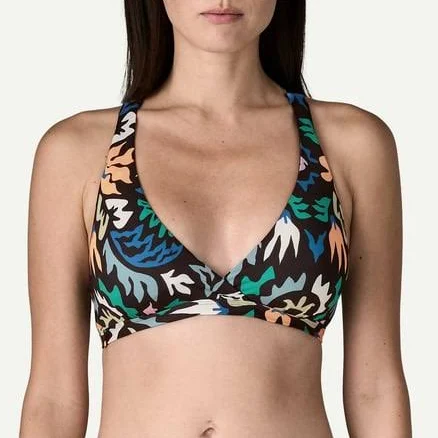
Patagonia
Patagonia Women's Bottom Turn Racerback Bikini Top
90/100 safety
Same rubric that flunked this product. The swap earned Excellent.
Still want this one anyway? Check the price on Amazon. We’d swap it.
Material
Nylon/polyester blend with elastane (bonded swimwear construction)
Brand disclosure
Brand is silent on PFAS
Lab data
No public lab test
What COS Women's Bonded Swimsuit in Brown is made of, ingredients and materials
This swimsuit is a nylon/polyester blend with elastane (spandex), bonded together using adhesive layers rather than sewn seams. Bonded construction is common in performance swimwear because it reduces chafing and improves fit. The elastane provides stretch and recovery; nylon and polyester are both synthetic polymers chosen for chlorine resistance and durability. The main chemistry concern is the adhesive used to bond layers, which can contain traces of solvents or plasticizers that may leach into skin or water under normal use.
What’s concerning
Category baseline
The starting point for this type of product, before anything specific to this product is counted.
No PFAS disclosure
No public statement from the brand about PFAS in this product.
Adhesive/bonding layer leachates
Bonded swimwear adhesives may contain residual solvents or plasticizers; no testing on record for this COS model. Risk is low under normal use but increases with heat or prolonged storage in warm, humid conditions.
Microplastic shedding from elastane
All elastane-containing swimwear sheds microfibers with wear and washing. This is an environmental hazard rather than a direct skin hazard, but relevant to end-of-life impact; proper rinsing and gentle wash cycles minimize shedding.
PFAS
Bonded swimwear itself typically does not use water-repellent coating coatings (unlike jackets), but COS has not confirmed chemical-free manufacturing. PFAS risk is lower than for coated garments but not ruled out without transparency.
Source, ATSDR ↗What’s reassuring
Base material not linked to PFAS
The main material recorded for this product is not one associated with PFAS.
Azo dyes in synthetic fibers
COS does not disclose dye chemistry for this brown colorway. Azo dyes in nylon and polyester are common but heavily regulated in EU/US markets; no documented azo-dye incidents for COS apparel are on record.
Heavy metals
No recalls or test results indicate lead, cadmium, or chromium in COS textile dyes. EU and US import regulations restrict these; risk is low but unverified by public testing.
Source, FDA ↗The full breakdown
The brand's record and disclosure
COS (a subsidiary of H&M Group) does not publish detailed chemical disclosures for swimwear or broader hazardous substance policies as transparently as some competitors (e.g., Patagonia, Eileen Fisher). H&M Group has faced scrutiny over PFAS in textiles and has committed to phasing out PFOA, but specific swimwear testing or certifications are not publicly available. No major recalls or safety controversies are documented for COS swimwear.
How it compares in its category
Most mass-market bonded swimwear (Nike, Speedo, Old Navy) uses similar nylon/polyester/elastane blends and adhesive-bonded construction, so this sits squarely in the mainstream. Brands with higher transparency (like Fourth Element or Patagonia) offer third-party testing or GOTS certification; COS offers neither. The PFAS grade of 65/100 reflects that basic bonded swimwear carries lower water-repellency chemical risk than coated or water-repellent coating-treated alternatives, but no verification is public.
If you buy it
Rinse immediately after use in saltwater or chlorine to remove residual chemicals and extend the garment life. Wash in cool water with mild detergent; hot water can degrade elastane faster. Avoid bleach and fabric softeners, which can damage bonded seams. Replace after 50-80 wears or when elastane visibly loses recovery (color fading, straps drooping); degraded swimwear may shed microfibers into water.
What we don’t know
- Basis
- Model estimate, 72% confidence, not a lab result
- Lab test
- None on record for this exact product
- Brand statement
- COS has made none
Formulations change between production runs, so check the current label. How we grade.
Better-graded alternatives in Swimwear
Patagonia
Women's Bottom Turn Racerback Bikini Top
- Nylon/polyester blend with elastane (standard swimwear)
- The brand calls it PFAS-free, which we have not verified
- Elastane (spandex) degradation under heat or chlorine
More swimwear grades
How we score, every product runs through the same public 0-100 rubric based on materials, coatings, brand disclosure, lab findings, and recalls. See the full methodology → Spotted a mistake? Report an error.