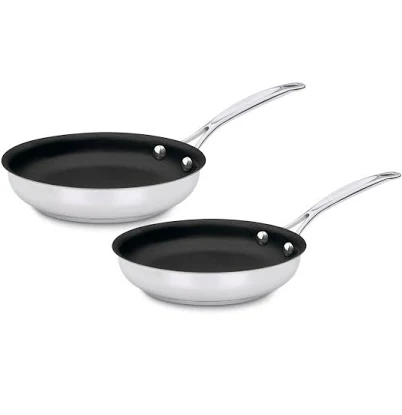
Cuisinart Chef's Classic Stainless Steel Nonstick Skillet Set of 2, Is It Non-Toxic?
Pass until Cuisinart discloses nonstick chemistry; unspecified coatings carry PFAS uncertainty.
Cuisinart's Chef's Classic won't disclose its nonstick coating composition. The brand makes no PFAS-free claims or third-party certifications.
The better-graded swap
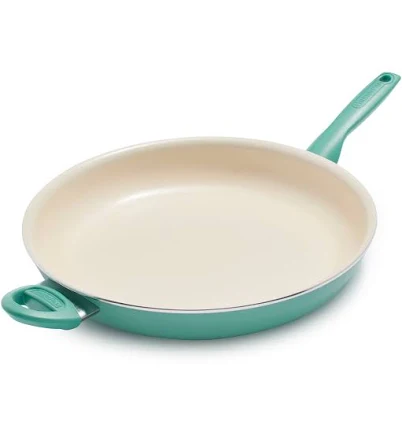
GreenPan
GreenPan Rio Ceramic Nonstick Frypan
70/100 safety
Same rubric that flunked this product. The swap earned Good.
Still want this one anyway? Check the price on Amazon. We’d swap it.
Material
Stainless steel base with proprietary nonstick coating (unspecified)
Lab data
No public lab test
You may also be interested in
Top-graded picks in the categories readers replace first, every one scored on the same rubric.

- polypropylene filter housing, carbon/sediment cartridge
- We found no PFAS statement from the brand
- Bacterial growth in spent cartridges
3 hazards checked on this product, all on its full breakdown.

Aquasure
Premier Series 75 GPD Under Sink Reverse Osmosis Water Filtration System
- RO membrane, carbon filters, stainless steel housing
- We found no PFAS statement from the brand
- Bacterial and microbial growth in housing and filters
4 hazards checked on this product, all on its full breakdown.

Avocado
Vegan Mattress
- organic cotton, natural latex, coconut coir, recycled steel coils
- The brand calls it PFAS-free, which we have not verified
- Heavy metals
2 hazards checked on this product, all on its full breakdown.
Is Cuisinart Chef's Classic Skillet Set non-toxic? What it is made of
Cuisinart Chef's Classic skillets use a stainless steel base paired with a proprietary nonstick coating that the brand does not publicly specify as Teflon-type coating-free, Teflon-type coating-based, or ceramic. The lack of transparency on coating chemistry is the core safety concern here. Stainless steel itself (the cooking surface base) shows no hazard of this kind on record; the risk lies entirely in the nonstick layer's composition and durability over time.
What’s concerning
Category baseline
The starting point for this type of product, before anything specific to this product is counted.
No PFAS disclosure
No public statement from the brand about PFAS in this product.
Non-stick, chemistry undisclosed
Marketed as non-stick without stating the coating chemistry.
Teflon-type coating fume inhalation risk (thermal decomposition)
If the undisclosed coating is Teflon-type coating-based (conventional nonstick), temperatures above 500F can release fumes. Cuisinart does not confirm or deny Teflon-type coating use, so this risk cannot be ruled out. Proper heat management (medium heat, never preheat empty) mitigates this.
Coating degradation and microparticle shedding
Nonstick coatings on all cookware degrade over time; visible flaking or peeling indicates the coating is breaking down. Users report this occurring after 3-7 years of heavy use. Ingestion of coating particles is generally considered low-risk but represents a hygiene concern, warranting skillet replacement.
PFAS
Undisclosed coating means PFAS risk cannot be evaluated. Modern nonstick coatings may use PFOA-free Teflon-type coating alternatives (e.g., GenX, ADONA), but Cuisinart's silence on this is a red flag. See separate PFAS grade (15/100) for full assessment.
Source, ATSDR ↗What’s reassuring
Aluminum leaching (minimal risk from stainless steel base)
The base is stainless steel, not aluminum, so aluminum leaching into food is not a concern with this product. Stainless steel is chemically stable and inert under normal cooking conditions.
Lead
No recalls or reports of heavy metal contamination in Cuisinart Chef's Classic skillets. Stainless steel cookware manufactured to US standards is tested for lead and cadmium migration; no known issues on record for this brand.
Source, ATSDR ↗How is this PFAS grade calculated?
The brand's record and disclosure
Cuisinart has not published detailed nonstick chemistry disclosures or PFAS-free certifications for this line. The brand has faced no major recalls or public safety warnings specific to this skillet set, but the silent stance on coating composition is notably different from competitors (e.g., GreenPan, Our Place) who explicitly market PFAS-free alternatives. This silence suggests either conventional Teflon-type coating-based coating or reluctance to market the coating type, neither of which builds confidence.
How it compares in its category
Among mainstream nonstick skillets, Cuisinart Chef's Classic is positioned as mid-to-premium cookware without premium transparency. Many competitors at similar price points now disclose Teflon-type coating-free or ceramic coatings; Cuisinart's refusal to do so puts this product behind the current market standard for informed purchasing. Durability is typically good (5+ years of normal use before degradation), but that assumes proper care and no high-heat abuse.
If you buy it
Keep heat at medium or below; sustained high heat can degrade nonstick coatings and increase fume risk if Teflon-type coating is present. Hand-wash only; dishwasher use accelerates coating breakdown. Replace the skillet if the nonstick surface visibly flakes, chips, or peels, as this indicates coating failure. Store without stacking or metal-on-metal contact to prevent scratches to the nonstick layer.
What is not known about PFAS in this product?
- Basis
- Model estimate, 35% confidence, not a lab result
- Lab test
- None on record for this exact product
- Brand statement
- Cuisinart has made a specific claim
Formulations change between production runs, so check the current label. How we grade.
What are the PFAS-free alternatives to Cuisinart Chef's Classic Stainless Steel Nonstick Skillet Set of 2?
- ceramic nonstick coating
- The brand calls it PFAS-free, which we have not verified
- Coating degradation and particulate release
3 hazards checked on this product, all on its full breakdown.
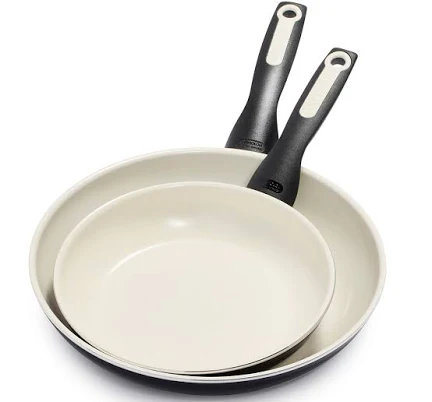
- ceramic non-stick coating
- The brand calls it PFAS-free, which we have not verified
- Coating degradation and aluminum leaching
3 hazards checked on this product, all on its full breakdown.
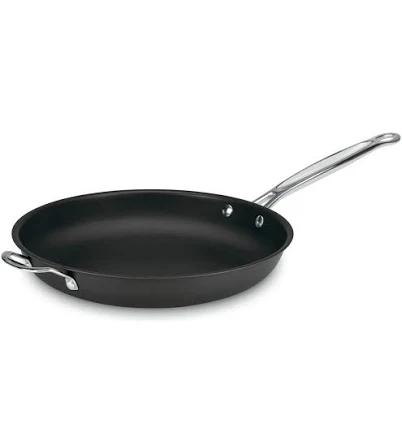
- anodized aluminum (hard-coat anodic oxidation)
- Coating degradation and leachables from breakdown
More nonstick skillets grades
How we score, every product runs through the same public 0-100 rubric based on materials, coatings, brand disclosure, lab findings, and recalls. See the full methodology → Spotted a mistake? Report an error.