Diadora · Running & Athletic Shoes
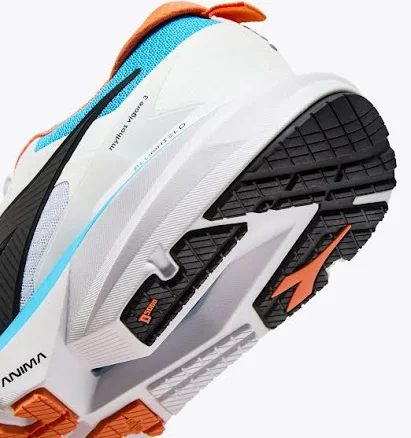
Diadora Men's Mythos Blushield Vigore 3
No coating described, and no PFAS statement from the brand.
The product information we reviewed describes mesh textile upper, foam midsole, rubber outsole, with no water-repellent coating named. Water resistance on products like this usually comes from the material and its seals rather than a surface treatment. The brand has published no PFAS statement for it.
Still want this one anyway? Check the price on Amazon. We’d swap it.
Material
Mesh textile upper, foam midsole, rubber outsole
Brand disclosure
Brand is silent on PFAS
Lab data
No public lab test
You may also be interested in
Top-graded picks in the categories readers replace first, every one scored on the same rubric.

- polypropylene filter housing, carbon/sediment cartridge
- We found no PFAS statement from the brand
- Bacterial growth in spent cartridges
3 hazards checked on this product, all on its full breakdown.

Aquasure
Premier Series 75 GPD Under Sink Reverse Osmosis Water Filtration System
- RO membrane, carbon filters, stainless steel housing
- We found no PFAS statement from the brand
- Bacterial and microbial growth in housing and filters
4 hazards checked on this product, all on its full breakdown.

Avocado
Vegan Mattress
- organic cotton, natural latex, coconut coir, recycled steel coils
- The brand calls it PFAS-free, which we have not verified
- Heavy metals
2 hazards checked on this product, all on its full breakdown.
What Diadora Men's Mythos Blushield Vigore 3 is made of, ingredients and materials
The Mythos Blushield Vigore 3 upper is a mesh textile, midsole is foam (likely ethylene vinyl acetate or polyurethane), and the outsole is rubber. Mesh textiles in athletic shoes do not typically undergo the heavy chemical treatments (formaldehyde resins, azo dyes) that woven or knitted synthetic uppers often receive, reducing contact exposure to those classes. The foam midsole is a concern only if degraded or heated; rubber outsoles are inert and low-hazard unless they leach heavy metals, which is not standard in athletic shoe manufacturing.
What’s concerning
Category baseline
The starting point for this type of product, before anything specific to this product is counted.
No PFAS disclosure
No public statement from the brand about PFAS in this product.
Azo dyes and synthetic color fixatives
Mesh fabrics may be dyed; color stability and dye composition are not disclosed by the brand. Risk is low given mesh does not require heavy chemical fixation, but azo dye content cannot be ruled out without testing or certification.
Foam degradation and microparticle release
EVA and polyurethane foams break down over time and with UV exposure, potentially shedding microparticles into sweat and the environment. This is a material-class reality for all foam midsoles, not specific to Diadora, and does not pose acute health risk from wearing but is relevant to long-term wear.
What’s reassuring
Base material not linked to PFAS
The main material recorded for this product is not one associated with PFAS.
Formaldehyde / VOCs
Mesh uppers are not typically treated with formaldehyde-based wrinkle or water resistance finishes; no formaldehyde resin treatment is described or standard for this material class in athletic footwear.
Source, ATSDR ↗Heavy metals
Rubber outsoles in athletic shoes are not known to contain lead, cadmium, or other heavy metals as standard; no recalls or testing data suggest a concern for this product.
Source, FDA ↗Antimony in synthetic fibers
Antimony is a catalyst in polyester synthesis but is not typically present in mesh textiles at detectable levels; no data suggest a concern for this product category.
How is this PFAS grade calculated?
The brand's record and disclosure
Diadora has not published a detailed PFAS or chemical hazard disclosure statement; the brand's silence on fluorochemical use or testing is typical of mid-tier athletic footwear makers and not itself a red flag. No recalls, contamination reports, or certifications (such as OEKO-TEX or Cradle to Cradle) are on record for this model. The brand does not appear on watchlists for heavy-metal or formaldehyde violations in the public domain.
How it compares in its category
Running shoes in this price and performance tier typically use similar mesh-foam-rubber construction. Competitors from Nike, Asics, and New Balance often do not disclose PFAS or detailed chemical profiles either, making Diadora's stance neither better nor worse. The mesh upper is a material choice that reduces the likelihood of problematic synthetic dye or resin treatments compared to solid-knit or polyester uppers in budget athletic shoes.
If you buy it
Wash the shoe in cool water with mild detergent to remove dust and potential surface residue; do not machine wash or tumble dry, as foam can degrade and release particles. Replace after 300-500 miles of running or visible sole wear; do not store in direct heat or sunlight for extended periods, as foam oxidation can accelerate. Check the shoe periodically for mesh tears or foam separation; neither is a safety hazard, but both signal end of protective life.
What is not known about PFAS in this product?
- Basis
- Model estimate, 45% confidence, not a lab result
- Lab test
- None on record for this exact product
- Brand statement
- Diadora has made none
Formulations change between production runs, so check the current label. How we grade.
More running & athletic shoes grades
How we score, every product runs through the same public 0-100 rubric based on materials, coatings, brand disclosure, lab findings, and recalls. See the full methodology → Spotted a mistake? Report an error.