Diadora · Running & Athletic Shoes
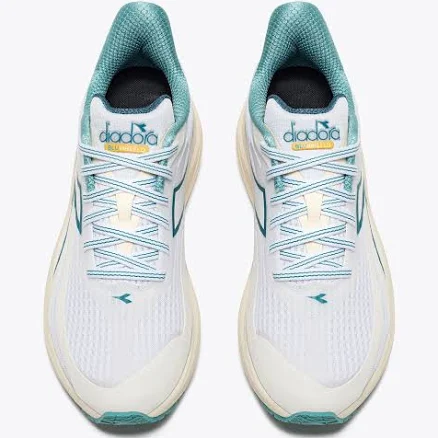
Women's running shoes Diadora Mythos Blushield 9 Vortice
No coating described, and no PFAS statement from the brand.
The product information we reviewed describes mesh textile upper, foam midsole, rubber outsole, with no water-repellent coating named. Water resistance on products like this usually comes from the material and its seals rather than a surface treatment. The brand has published no PFAS statement for it.
Still want this one anyway? Check the price on Amazon. We’d swap it.
Material
Mesh textile upper, foam midsole, rubber outsole
Brand disclosure
Brand is silent on PFAS
Lab data
No public lab test
You may also be interested in
Top-graded picks in the categories readers replace first, every one scored on the same rubric.

- polypropylene filter housing, carbon/sediment cartridge
- We found no PFAS statement from the brand
- Bacterial growth in spent cartridges
3 hazards checked on this product, all on its full breakdown.

Aquasure
Premier Series 75 GPD Under Sink Reverse Osmosis Water Filtration System
- RO membrane, carbon filters, stainless steel housing
- We found no PFAS statement from the brand
- Bacterial and microbial growth in housing and filters
4 hazards checked on this product, all on its full breakdown.

Avocado
Vegan Mattress
- organic cotton, natural latex, coconut coir, recycled steel coils
- The brand calls it PFAS-free, which we have not verified
- Heavy metals
2 hazards checked on this product, all on its full breakdown.
What Women's running shoes Diadora Vortice is made of, ingredients and materials
The Mythos Blushield 9 Vortice uses a mesh textile upper (typically polyester or nylon blend), foam midsole (likely EVA or polyurethane), and rubber outsole. Mesh uppers avoid tight coatings that trap VOCs and are generally lower-emission than synthetic leather or PU overlays. Foam midsoles are standard athletic shoe construction and do not typically leach chemicals at body temperature. Rubber outsoles are chemically stable during normal wear.
What’s concerning
Category baseline
The starting point for this type of product, before anything specific to this product is counted.
No PFAS disclosure
No public statement from the brand about PFAS in this product.
Adhesive and solvent residues
Mesh upper, midsole, and outsole are bonded with industrial adhesives that may off-gas VOCs (toluene, hexane) in the first weeks of use. Exposure is short-term and decreases rapidly; ventilate the shoe in fresh air before wearing.
Foam degradation and particle shedding
EVA or polyurethane midsoles break down under heat, UV, and impact, potentially releasing microparticles during use. This is normal foam aging and not unique to Diadora. Replacement prevents accumulation of degraded material.
What’s reassuring
Base material not linked to PFAS
The main material recorded for this product is not one associated with PFAS.
Formaldehyde / VOCs
Mesh textiles may contain trace formaldehyde-releasing resins used in dyeing and finishing. No recalls or test results are on record for Diadora athletic shoes; formaldehyde off-gassing from breathable mesh is minimal compared to synthetic leather or coated uppers.
Source, ATSDR ↗Azo dyes
Mesh upper may be dyed with azo colorants, which can produce aromatic amines under sweat/friction. No documented cases or health incidents linked to Diadora running shoes; risk is consistent with mainstream athletic footwear.
Antimony in polyester
Polyester mesh may contain antimony trioxide as a catalyst or flame retardant residue. No test data or warnings are published for this model. Skin contact with polyester does not typically mobilize trace antimony.
How is this PFAS grade calculated?
The brand's record and disclosure
Diadora does not publish detailed chemical safety or PFAS statements for consumer footwear. The brand has no recorded recalls or public controversies linked to formaldehyde, azo dyes, or heavy metal contamination in athletic shoes. No independent certifications (Cradle to Cradle, bluesign, OEKO-TEX) are documented for this model, which is typical for mainstream athletic brands at this price tier. Lack of transparency is standard industry practice rather than a Diadora-specific concern.
How it compares in its category
Mesh-upper running shoes are among the lowest-concern footwear constructions because they avoid waterproof coatings and synthetic leather treatments where formaldehyde resins and azo dyes concentrate. This shoe sits in the middle of the athletic market, not a premium eco-brand (which would carry third-party testing), but also not a budget model where finish quality control is weaker. Standard foam and rubber components are common across competitors at this performance level.
If you buy it
Store in a cool, dry location away from direct heat and sunlight to slow foam degradation over time. Wash mesh uppers gently with cool water and mild detergent; avoid hot water and machine drying, which can damage adhesives and accelerate material breakdown. Replace shoes when midsole cushioning visibly compresses or when mesh tears, typically after 300-500 miles of use. No special precautions needed for normal wear.
What is not known about PFAS in this product?
- Basis
- Model estimate, 35% confidence, not a lab result
- Lab test
- None on record for this exact product
- Brand statement
- Diadora has made none
Formulations change between production runs, so check the current label. How we grade.
More running & athletic shoes grades
How we score, every product runs through the same public 0-100 rubric based on materials, coatings, brand disclosure, lab findings, and recalls. See the full methodology → Spotted a mistake? Report an error.