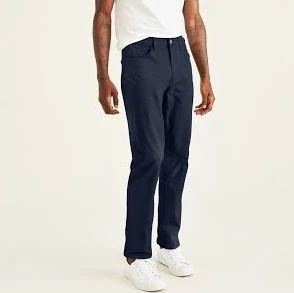
Dockers · Stain-Resistant Jeans
Dockers Men's Jean Cut Straight-Fit All Seasons Tech Khaki Pants
Skip until Dockers discloses its water-repellent coating chemistry.
The All Seasons Tech designation indicates water and stain resistance, typically achieved via water-repellent coating treatments. Dockers doesn't disclose whether their water-repellent coating uses PFAS-based legacy chemistry or PFAS-free alternatives. Without transparency, significant PFAS risk exists.
The better-graded swap
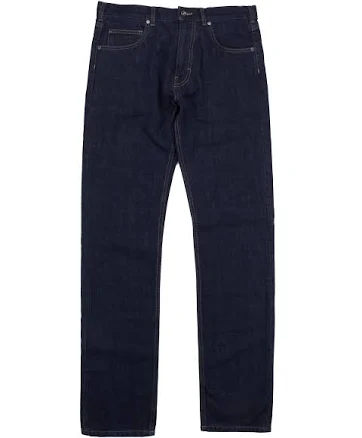
Patagonia
Patagonia Men's Performance Straight Fit Jeans
90/100 safety
Same rubric that flunked this product. The swap earned Excellent.
Still want this one anyway? Check the price on Amazon. We’d swap it.
Material
Cotton blend with water-repellent coating (water-repellent coating) finish
Brand disclosure
Brand is silent on PFAS
Lab data
No public lab test
You may also be interested in
Top-graded picks in the categories readers replace first, every one scored on the same rubric.

- polypropylene filter housing, carbon/sediment cartridge
- We found no PFAS statement from the brand
- Bacterial growth in spent cartridges
3 hazards checked on this product, all on its full breakdown.

Aquasure
Premier Series 75 GPD Under Sink Reverse Osmosis Water Filtration System
- RO membrane, carbon filters, stainless steel housing
- We found no PFAS statement from the brand
- Bacterial and microbial growth in housing and filters
4 hazards checked on this product, all on its full breakdown.

Avocado
Vegan Mattress
- organic cotton, natural latex, coconut coir, recycled steel coils
- The brand calls it PFAS-free, which we have not verified
- Heavy metals
2 hazards checked on this product, all on its full breakdown.
What Dockers Men's Jean Cut Tech Khaki Pants is made of, ingredients and materials
Dockers' All Seasons Tech Khakis are cotton-blend (likely 98% cotton, 2% spandex or similar) with a water-repellent coating (water-repellent coating) finish applied to the fabric surface. The water-repellent coating is the primary chemical concern, legacy formulations used perfluorinated compounds (PFAS), though some manufacturers have transitioned to fluorine-free or polyfluorinated alternatives. Cotton itself is relatively stable and non-toxic, but the finish chemistry determines whether the garment off-gases or leaches problematic compounds during wear or washing.
What’s concerning
Category baseline
The starting point for this type of product, before anything specific to this product is counted.
No PFAS disclosure
No public statement from the brand about PFAS in this product.
Waterproof / stain-resistant treatment
Water-repellent coating treatments have historically used PFAS.
PFAS
Dockers has not disclosed whether its water-repellent coating uses legacy fluorinated compounds, newer polyfluorinated agents, or fluorine-free chemistries. Until the brand confirms, assume possible exposure to synthetic water-repellent additives that may persist on fabric and transfer during wear or washing.
Source, ATSDR ↗Spandex or elastane degradation over time
Spandex/elastane (typical in 2-5% stretch blends) degrades with heat, chlorine, and UV exposure, causing loss of fit and potential microfiber shedding. Washing in cool water and air-drying extends elastane lifespan; hot water accelerates breakdown.
What’s reassuring
Azo dyes in colored khaki
No public record of azo dye violations in Dockers khakis. Cotton-blend khakis are typically dyed with modern fiber-reactive or disperse dyes that are compliant with REACH and CPSIA standards, but independent testing is not disclosed.
Formaldehyde / VOCs
Cotton-blend khakis do not typically require formaldehyde-based wrinkle finishes if they rely on spandex stretch and water-repellent coating. No public recalls or reports of formaldehyde in Dockers khakis, but the water-repellent coating chemistry itself remains undisclosed.
Source, ATSDR ↗Heavy metals
Dockers khakis typically use nickel-plated steel buttons and zippers. No public recalls for heavy metal leaching; nickel content is generally compliant with apparel standards but may cause contact dermatitis in sensitive individuals.
Source, FDA ↗How is this PFAS grade calculated?
The brand's record and disclosure
Dockers (owned by Levi Strauss & Co.) has not publicly disclosed the specific chemistry of its water-repellent coating finishes or committed to PFAS-free treatments in mainstream product lines. Levi Strauss has made some sustainability pledges but has not issued brand-wide PFAS elimination commitments comparable to outdoor or premium apparel brands. The silence on water-repellent coating chemistry is a red flag, transparency-forward competitors (e.g., Patagonia, REI Co-op) explicitly state their water-repellent coating agents, while Dockers has not.
How it compares in its category
Stain-resistant and water-repellent khakis are commodity items; Dockers occupies the mainstream retail middle ground. Premium brands increasingly disclose PFAS-free water-repellent coating (e.g., Bluesign, PFC-free finishes), while budget competitors rarely disclose anything. Dockers' silence on finish chemistry puts it below transparent competitors but not necessarily worse than undisclosed mass-market alternatives. The risk tier is standard for this price segment unless the brand eventually confirms legacy PFAS use.
If you buy it
Wash separately from other garments on the first 2-3 cycles to minimize any surface residues. Use cool or warm water (not hot) to reduce potential leaching of finish chemicals. Air-dry or low-heat tumble dry; high heat can degrade the water-repellent coating and may increase off-gassing. Inspect the waistband, seams, and crotch for pilling, tears, or color fading after 6-12 months; if present, consider replacement rather than continued wear, as degraded coatings may expose unfinished fibers.
What is not known about PFAS in this product?
- Basis
- Model estimate, 45% confidence, not a lab result
- Lab test
- None on record for this exact product
- Brand statement
- Dockers has made none
Formulations change between production runs, so check the current label. How we grade.
What are the PFAS-free alternatives to Dockers Men's Jean Cut Straight-Fit All Seasons Tech Khaki Pants?
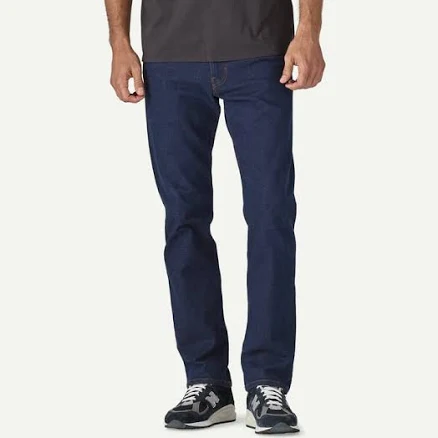
- cotton denim, no water-repellent coating (water-repellent coating) coating
- The brand calls it PFAS-free, which we have not verified
- Formaldehyde / VOCs
2 hazards checked on this product, all on its full breakdown.
- cotton/organic cotton denim
- The brand calls it PFAS-free, which we have not verified
- Starting grade for this product type
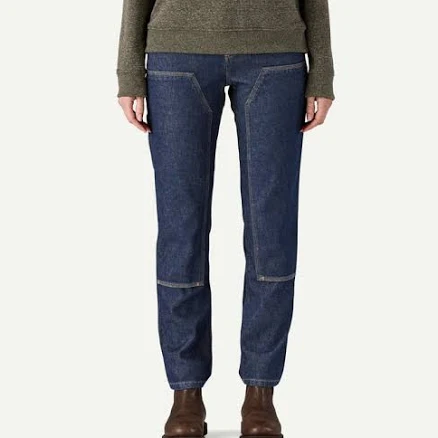
- Cotton-blend denim (no stated water-repellent or stain treatment)
- The brand calls it PFAS-free, which we have not verified
- Heavy metals
4 hazards checked on this product, all on its full breakdown.
More stain-resistant jeans grades
How we score, every product runs through the same public 0-100 rubric based on materials, coatings, brand disclosure, lab findings, and recalls. See the full methodology → Spotted a mistake? Report an error.