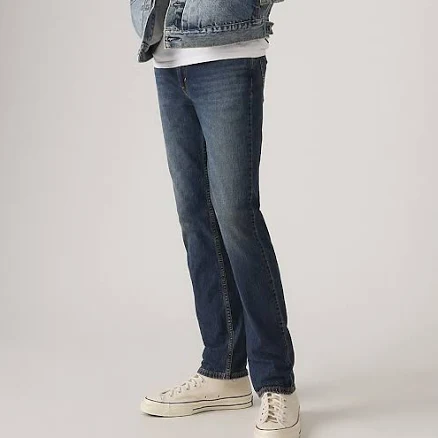
Levi's · Stain-Resistant Jeans
Levi's Men's 511 Slim Jeans Performance Cool
Skip until Levi's discloses its water-repellent coating chemistry or treatment formula.
These performance jeans use moisture-wicking and performance treatments, but Levi's doesn't disclose whether they contain PFAS. The Performance Cool designation suggests a water-repellent coating or sweat-management coating, historically PFAS-associated. Without transparency, PFAS risk can't be ruled out.
The better-graded swap
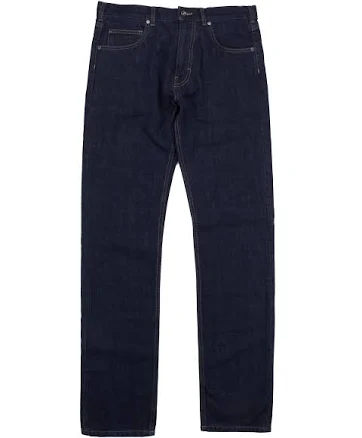
Patagonia
Patagonia Men's Performance Straight Fit Jeans
90/100 safety
Same rubric that flunked this product. The swap earned Excellent.
Still want this one anyway? Check the price on Amazon. We’d swap it.
Material
cotton/polyester blend with moisture-wicking treatment
Brand disclosure
Brand is silent on PFAS
Lab data
No public lab test
You may also be interested in
Top-graded picks in the categories readers replace first, every one scored on the same rubric.

- polypropylene filter housing, carbon/sediment cartridge
- We found no PFAS statement from the brand
- Bacterial growth in spent cartridges
3 hazards checked on this product, all on its full breakdown.

Aquasure
Premier Series 75 GPD Under Sink Reverse Osmosis Water Filtration System
- RO membrane, carbon filters, stainless steel housing
- We found no PFAS statement from the brand
- Bacterial and microbial growth in housing and filters
4 hazards checked on this product, all on its full breakdown.

Avocado
Vegan Mattress
- organic cotton, natural latex, coconut coir, recycled steel coils
- The brand calls it PFAS-free, which we have not verified
- Heavy metals
2 hazards checked on this product, all on its full breakdown.
What Levi's Men's 511 Slim Performance Cool is made of, ingredients and materials
The 511 Performance Cool is a cotton-polyester blend (exact ratio not specified by Levi's in available materials) treated with a moisture-wicking finish and stain resistance coating. The 'performance' labeling signals a chemical treatment beyond standard denim, most likely a hydrophobic (water-repellent) water-repellent coating (water-repellent coating) finish applied post-manufacture. Levi's does not publicly disclose the chemistry of this finish on product pages or care labels, which is the core transparency gap here.
What’s concerning
Category baseline
The starting point for this type of product, before anything specific to this product is counted.
No PFAS disclosure
No public statement from the brand about PFAS in this product.
Waterproof / stain-resistant treatment
Water-repellent coating treatments have historically used PFAS.
PFAS
Stain-resistant and moisture-wicking treatments in performance denim commonly use PFAS-based chemistry (historically PFOA/Teflon-type coating variants). Levi's silence on formulation means presence cannot be ruled out; independent testing of similar performance jeans has detected fluorinated compounds, but no confirmed results specific to this model exist in public records.
Source, ATSDR ↗Formaldehyde / VOCs
Cross-linking resins used to set dyes and stabilize finishes may include formaldehyde. Off-gassing typically occurs in first few washes; no recall history for Levi's 511s specifically, but low-level emission is standard in performance-finished textiles. Washing before wear reduces this exposure.
Source, ATSDR ↗Coating degradation and microplastic shedding
As the water-repellent coating finish breaks down over time, small polymer fragments may shed into washwater. The scale is smaller than typical microplastic risk from fleece, but repeated laundering of performance-treated garments contributes incrementally to microplastic load; no toxicity data for microplastics at these levels in humans.
What’s reassuring
Azo dyes in indigo and other colorants
Levi's sources indigo through major mills that comply with OEKO-TEX or similar standards for restricted azo dyes. No specific recalls or violations tied to this model; standard industry practice limits use of the most carcinogenic azo types, though complete absence is not guaranteed without third-party certification visible on the tag.
Antimony in polyester fiber
Antimony oxide is a catalyst used in polyester production and can remain in trace amounts in finished fabric. The polyester content of this blend (likely 20-40 percent) poses minimal risk for skin contact; no documented health incidents from wearing polyester-blend jeans at this antimony level, but total body burden from multiple synthetic garments can accumulate over years.
How is this PFAS grade calculated?
The brand's record and disclosure
Levi's has not published a comprehensive PFAS policy or elimination timeline as of public records, unlike competitors such as Patagonia or The North Face. The brand has faced scrutiny from environmental groups regarding chemical use in finishing processes, but no specific recalls or health alerts linked to this model are documented. Levi's sustainability reports focus on water and carbon but remain silent on water-repellent coating chemistry in the performance line, making independent verification of PFAS absence impossible.
How it compares in its category
Performance denim with stain and moisture resistance typically costs 15-30 percent more than untreated 511s and almost always involves a synthetic finish layer. Competitors like Wrangler Performance and Lee offer similar moisture-wicking blends with equally opaque chemical disclosures. Organic cotton or untreated denim alternatives exist but sacrifice the performance claims; if you prioritize performance features, this product is typical in its hazard profile, not worse.
If you buy it
Wash in cool water with mild detergent; avoid fabric softeners and bleach, which can degrade the finish coat and potentially mobilize residual chemicals. Do not dry-clean or expose to prolonged heat (high dryer settings accelerate coating breakdown). The moisture-wicking treatment will gradually decline after 50-100 washes; replace when water beads no longer form on the fabric surface. Air-dry when possible to extend finish life and reduce chemical volatilization indoors.
What is not known about PFAS in this product?
- Basis
- Model estimate, 45% confidence, not a lab result
- Lab test
- None on record for this exact product
- Brand statement
- Levi's has made none
Formulations change between production runs, so check the current label. How we grade.
What are the PFAS-free alternatives to Levi's Men's 511 Slim Jeans Performance Cool?
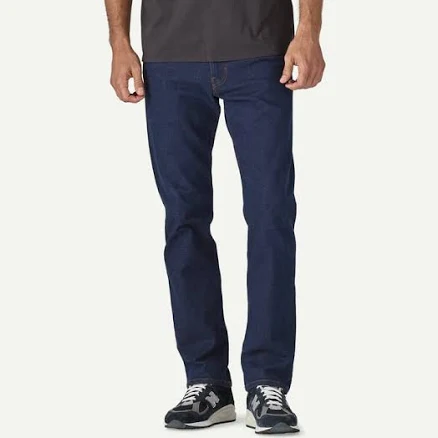
- cotton denim, no water-repellent coating (water-repellent coating) coating
- The brand calls it PFAS-free, which we have not verified
- Formaldehyde / VOCs
2 hazards checked on this product, all on its full breakdown.
- cotton/organic cotton denim
- The brand calls it PFAS-free, which we have not verified
- Starting grade for this product type
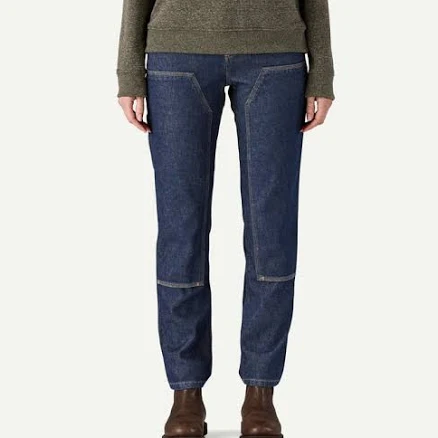
- Cotton-blend denim (no stated water-repellent or stain treatment)
- The brand calls it PFAS-free, which we have not verified
- Heavy metals
4 hazards checked on this product, all on its full breakdown.
More stain-resistant jeans grades
How we score, every product runs through the same public 0-100 rubric based on materials, coatings, brand disclosure, lab findings, and recalls. See the full methodology → Spotted a mistake? Report an error.