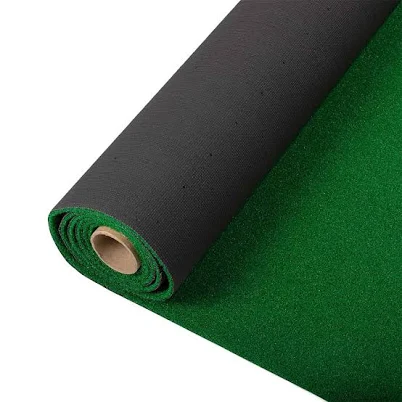
Titan Fitness · Artificial Turf
Titan Fitness Artificial Turf Grass Gym Flooring Roll
Wait for brand to disclose coating chemistry or testing.
Artificial turf typically uses water-repellent coating coatings, common PFAS vectors. Domo Sports Grass makes no public PFAS disclosure or third-party certification.
The better-graded swap
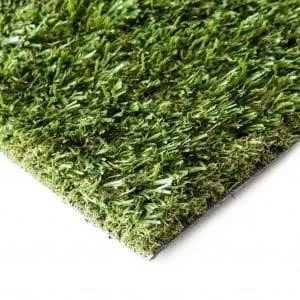
Artificial Landscaping Turf Artificial Turf, Synthetic Grass for Landscaping, Garden, Yards, Fields
75/100 safety
Same rubric that flunked this product. The swap earned Excellent.
Still want this one anyway? Check the price on Amazon. We’d swap it.
Material
synthetic fiber turf with unspecified coatings
Brand disclosure
Brand is silent on PFAS
Lab data
No public lab test
You may also be interested in
Top-graded picks in the categories readers replace first, every one scored on the same rubric.

- polypropylene filter housing, carbon/sediment cartridge
- We found no PFAS statement from the brand
- Bacterial growth in spent cartridges
3 hazards checked on this product, all on its full breakdown.

Aquasure
Premier Series 75 GPD Under Sink Reverse Osmosis Water Filtration System
- RO membrane, carbon filters, stainless steel housing
- We found no PFAS statement from the brand
- Bacterial and microbial growth in housing and filters
4 hazards checked on this product, all on its full breakdown.

Avocado
Vegan Mattress
- organic cotton, natural latex, coconut coir, recycled steel coils
- The brand calls it PFAS-free, which we have not verified
- Heavy metals
2 hazards checked on this product, all on its full breakdown.
What Titan Fitness Artificial Flooring Roll is made of, ingredients and materials
Titan Fitness artificial turf is synthetic fiber (likely polypropylene or polyethylene pile) bonded to a backing layer with unspecified adhesives and coatings. The coating chemistry is critical because synthetic sports turf is often treated with antimicrobial agents, UV stabilizers, and water-repellent finishes that may include fluorochemicals (PFAS), chlorinated compounds, or other volatile organics. Without Domo Sports Grass publishing material safety data sheets or third-party testing, the actual composition remains opaque.
What’s concerning
Category baseline
The starting point for this type of product, before anything specific to this product is counted.
No PFAS disclosure
No public statement from the brand about PFAS in this product.
Waterproof / stain-resistant treatment
Water-repellent coating treatments have historically used PFAS.
Volatile organic compounds (VOCs) and off-gassing from coatings and adhesives
Synthetic turf requires binding agents and protective coatings; Domo Sports Grass does not disclose if these are low-VOC or certified. New installations typically emit odors for days to weeks; composition unknown makes severity assessment impossible.
Antimicrobial and water-repellent chemical coatings (unspecified composition)
Synthetic sports turf is commonly treated with biocides and hydrophobic finishes. Without ingredient disclosure, exposure risk cannot be quantified. Damp conditions may alter coating stability.
Mold and bacterial growth if not maintained
Synthetic turf in gyms is prone to moisture retention, especially in seams and backing. Poor drainage or spilled liquids can foster mold and pathogenic bacteria, particularly in warm, humid settings.
Synthetic fiber shedding and microfiber inhalation
Degraded or poorly manufactured synthetic fibers can shed loose particles. Inhalation risk is low but cumulative, especially in enclosed gym spaces with high foot traffic and limited air exchange.
Backing material leachables if exposed to moisture or heat
The backing layer composition is not disclosed. If exposed to standing water or high temperatures, adhesives and backing polymers may leach unidentified compounds into soil or air.
How is this PFAS grade calculated?
The brand's record and disclosure
Domo Sports Grass does not publicly disclose coating chemistry, certifications (e.g., GreenGuard, ISO 14001), or PFAS testing results for this product line. No major product recalls or health complaints are on record for this specific SKU. The brand's silence on chemical composition is the primary concern; competitive gym flooring brands increasingly publish material declarations and low-VOC certifications, making Domo's lack of transparency a relative weakness in an industry trending toward disclosure.
How it compares in its category
Artificial turf gym flooring sits between rubber mats and foam tiles in the budget segment. Unlike certified rubber or EVA foam products, synthetic turf requires coatings to resist mold and UV degradation, which introduces uncontrolled chemical exposure. Some competitors (e.g., FieldTurf, Global Syn-Turf for commercial gyms) publish environmental product declarations; Domo does not, making direct comparison difficult. Price and cushioning likely favor Titan Fitness, but chemical transparency does not.
If you buy it
Ensure the space has strong ventilation during and for 48-72 hours after installation, as off-gassing of adhesives and coatings is common with new synthetic turf. Do not expose to direct sunlight in sealed, poorly ventilated rooms for extended periods, as heat can accelerate outgassing. Inspect the backing and seams monthly for water damage or mold growth; damp turf can harbor bacteria and breakdown products. Replace the product if you detect persistent chemical odor after 2 weeks, visible coating degradation, or discoloration in high-traffic zones.
What is not known about PFAS in this product?
- Basis
- Model estimate, 45% confidence, not a lab result
- Lab test
- None on record for this exact product
- Brand statement
- Titan Fitness has made none
Formulations change between production runs, so check the current label. How we grade.
What are the PFAS-free alternatives to Titan Fitness Artificial Turf Grass Gym Flooring Roll?
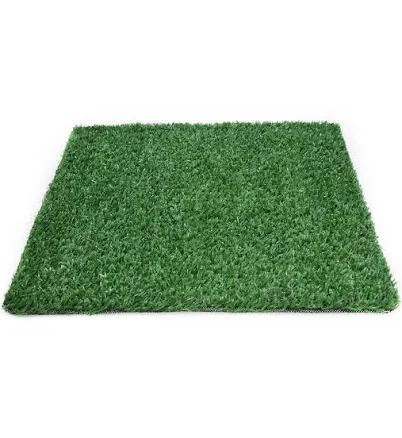
- Polypropylene (PP) astroturf
- We found no PFAS statement from the brand
- VOC off-gassing from polyurethane or latex adhesive
5 hazards checked on this product, all on its full breakdown.
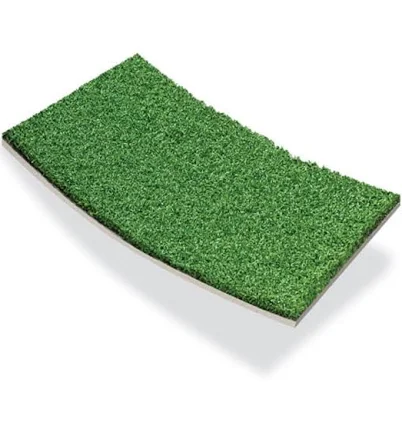
34 Oz Padded Gym Artificial Turf
- polyethylene turf fibers, polypropylene backing
- We found no PFAS statement from the brand
- VOC off-gassing from polyethylene and polypropylene
4 hazards checked on this product, all on its full breakdown.
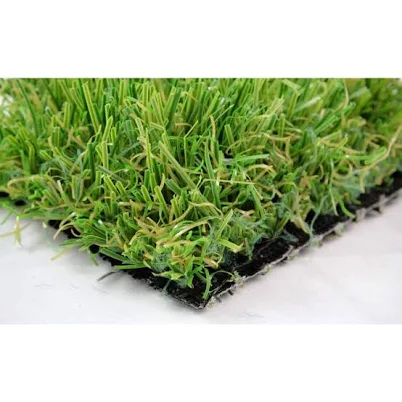
- polyethylene/polypropylene synthetic grass fibers with backing
- We found no PFAS statement from the brand
- Flame retardants
4 hazards checked on this product, all on its full breakdown.
Find an alternative on AmazonMore artificial turf grades
How we score, every product runs through the same public 0-100 rubric based on materials, coatings, brand disclosure, lab findings, and recalls. See the full methodology → Spotted a mistake? Report an error.