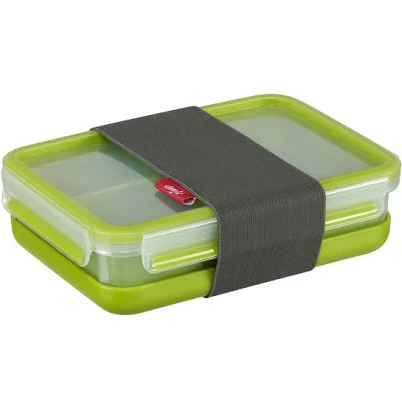
Emsa Clip&go Lunchbox 518098
Polypropylene lunchbox with no coating or water-repellent finish on record.
Emsa Clip&Go is a rigid plastic lunchbox made from polypropylene. No water-repellent, grease-resistant, or nonstick finish is listed on the product record. The brand has no PFAS statement on record.
We flunk more products than we pass. This one earned its grade. How we grade
Material
plastic (polypropylene) lunchbox container
Brand disclosure
Brand is silent on PFAS
Lab data
No public lab test
You may also be interested in
Top-graded picks in the categories readers replace first, every one scored on the same rubric.

- polypropylene filter housing, carbon/sediment cartridge
- We found no PFAS statement from the brand
- Bacterial growth in spent cartridges
3 hazards checked on this product, all on its full breakdown.

Aquasure
Premier Series 75 GPD Under Sink Reverse Osmosis Water Filtration System
- RO membrane, carbon filters, stainless steel housing
- We found no PFAS statement from the brand
- Bacterial and microbial growth in housing and filters
4 hazards checked on this product, all on its full breakdown.

Avocado
Vegan Mattress
- organic cotton, natural latex, coconut coir, recycled steel coils
- The brand calls it PFAS-free, which we have not verified
- Heavy metals
2 hazards checked on this product, all on its full breakdown.
What Emsa Clip&go Lunchbox 518098 is made of, ingredients and materials
The Emsa Clip&go 518098 is a polypropylene (PP) container, a thermoplastic polymer commonly used in food storage because it resists moisture and has a relatively high melting point (around 130°C). Polypropylene is not a material linked to BPA or most phthalates, unlike older polycarbonate or PVC alternatives. The snap-lock lid and seal design minimize air exposure, reducing oxidation risk to stored food and the container itself.
What’s concerning
Category baseline
The starting point for this type of product, before anything specific to this product is counted.
No PFAS disclosure
No public statement from the brand about PFAS in this product.
Microplastics
PP can degrade and shed small plastic particles if heated above recommended temperature or stored long-term in sunlight. Risk increases with age and mechanical stress (scratches, repeated flexing of the lid).
Source, EPA ↗Coating degradation and leaching
The snap-lock lid may have internal coatings or adhesives; thermal cycling and acidic foods (citrus, vinegar) can weaken these bonds over time, though no specific migration data for this model is public.
Bacterial growth in seal channels
The clip-lock mechanism creates crevices where food residue and moisture can accumulate if not thoroughly cleaned, potentially harboring mold or bacteria in humid storage.
What’s reassuring
Base material not linked to PFAS
The main material recorded for this product is not one associated with PFAS.
BPA & bisphenols
Polypropylene is formulated without BPA or typical phthalate plasticizers; no evidence of these additives in Emsa PP containers.
Source, FDA ↗Colorants and additives in plastic
Standard PP may contain approved food-grade colorants and stabilizers (e.g., titanium dioxide, carbon black). No unsafe levels have been reported for Emsa products, and these are regulated in the EU.
How is this PFAS grade calculated?
The brand's record and disclosure
Emsa is a German kitchenware manufacturer with a long history in food-storage products but maintains limited public transparency on chemical compliance and testing. The brand does not advertise PFAS-free status, though PP containers typically do not require PFAS treatment. No major recalls or safety controversies involving this specific model have been documented in public records.
How it compares in its category
Polypropylene lunchboxes show lower concern than polycarbonate or PVC due to lack of BPA and phthalate plasticizers, but involve different chemical exposure risks compared to glass. The Clip&go design is competitive with brands like Rubbermaid and Sistema in terms of material choice. Most PP food containers perform similarly; differences lie in seal durability and manufacturing consistency rather than inherent chemical risk.
If you buy it
Do not microwave or expose to boiling water; keep contents below 80°C to prevent polymer stress and leaching. Hand-wash rather than use high-heat dishwashers if possible, as thermal cycling degrades seals over time. Replace the container if the lid seal weakens, cracks appear, or the plastic becomes cloudy or brittle, typically after 2-3 years of heavy use. Store away from direct sunlight to slow polymer degradation.
What is not known about PFAS in this product?
- Basis
- Model estimate, 72% confidence, not a lab result
- Lab test
- None on record for this exact product
- Brand statement
- Emsa has made none
Formulations change between production runs, so check the current label. How we grade.
What are the PFAS-free alternatives to Emsa Clip&go Lunchbox 518098?
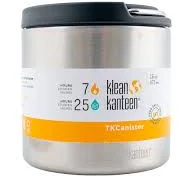
Klean Kanteen
Double Wall Vacuum Insulated Stainless Steel Food Canister Container with Leak Proof Lid
- Stainless steel body, silicone gasket lid seal
- The brand calls it PFAS-free, which we have not verified
- Silicone gasket degradation
3 hazards checked on this product, all on its full breakdown.
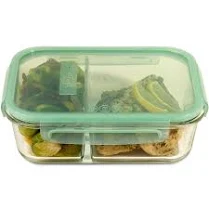
- borosilicate glass
- We found no PFAS statement from the brand
- Leaching from glass matrix or lid seals
2 hazards checked on this product, all on its full breakdown.
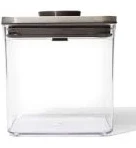
- Stainless steel container, no surface treatment
- Lid/gasket polymer leaching
3 hazards checked on this product, all on its full breakdown.
More lunch boxes grades
How we score, every product runs through the same public 0-100 rubric based on materials, coatings, brand disclosure, lab findings, and recalls. See the full methodology → Spotted a mistake? Report an error.